Industrial Aluminum Induction Melting Furnace: High-Efficiency Precision Melting Solution

All Categories

aluminum induction melting furnace

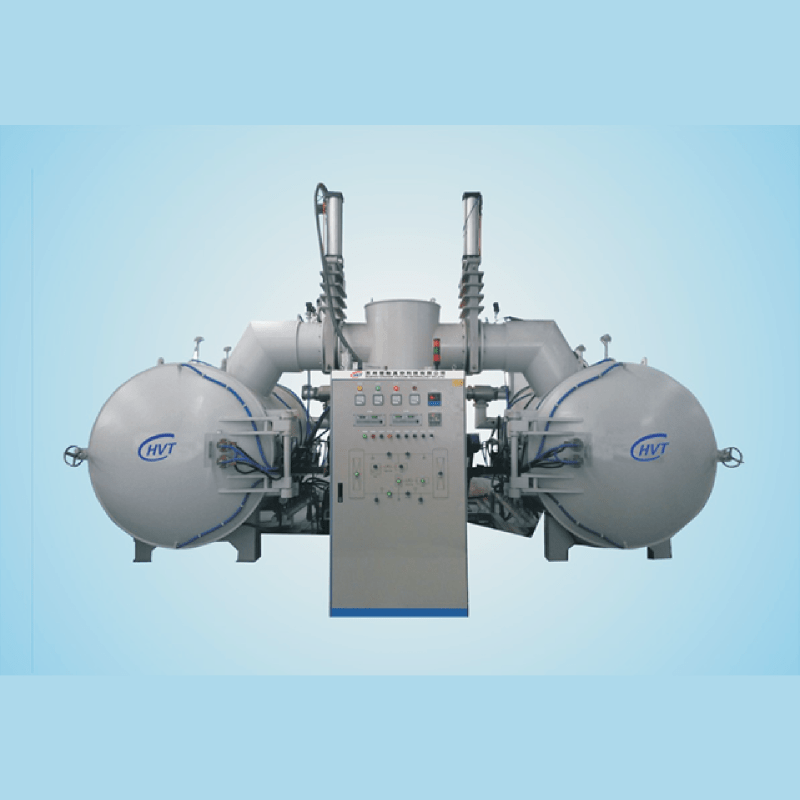
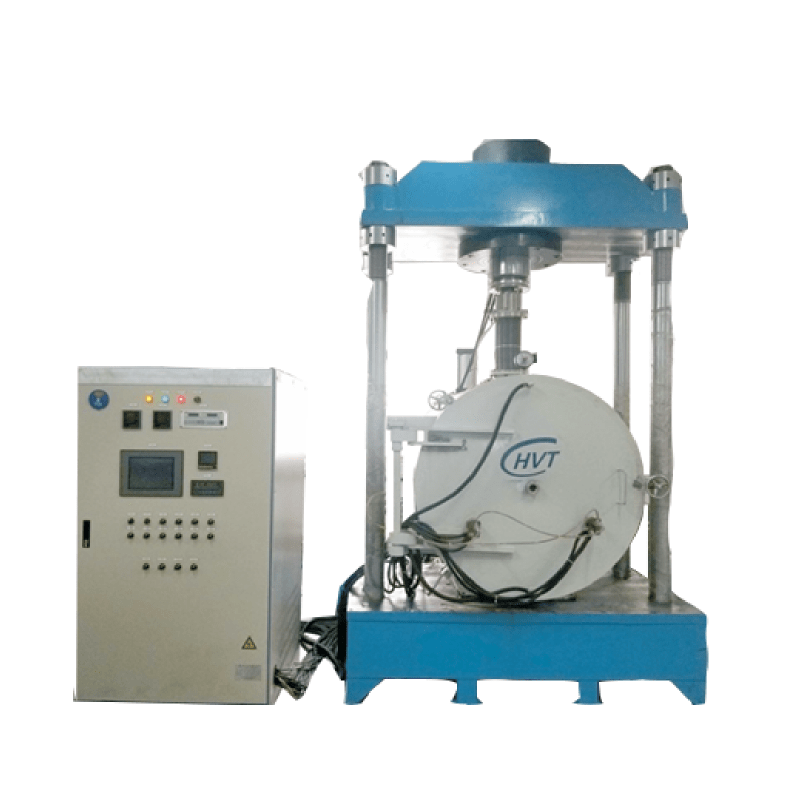
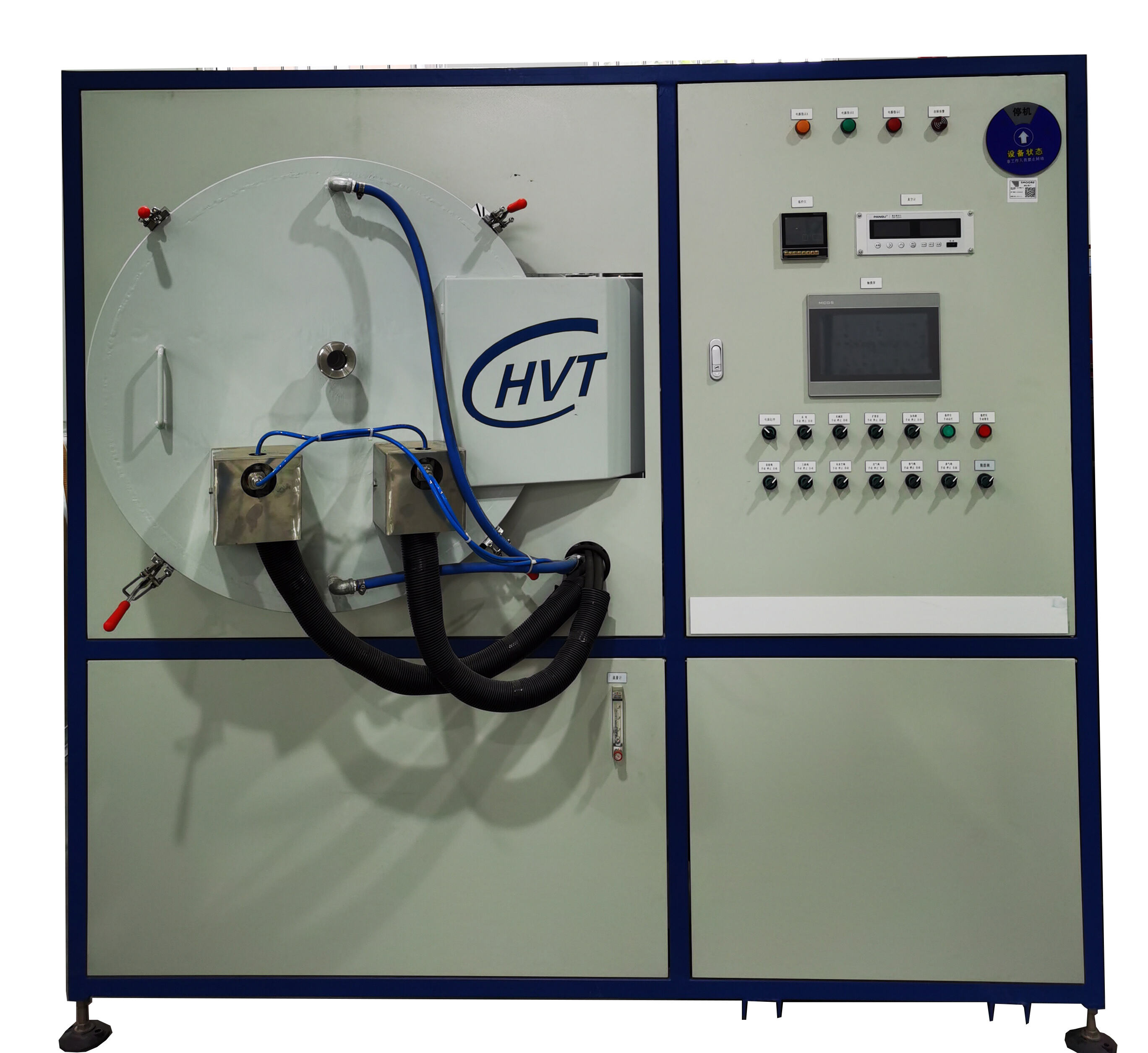
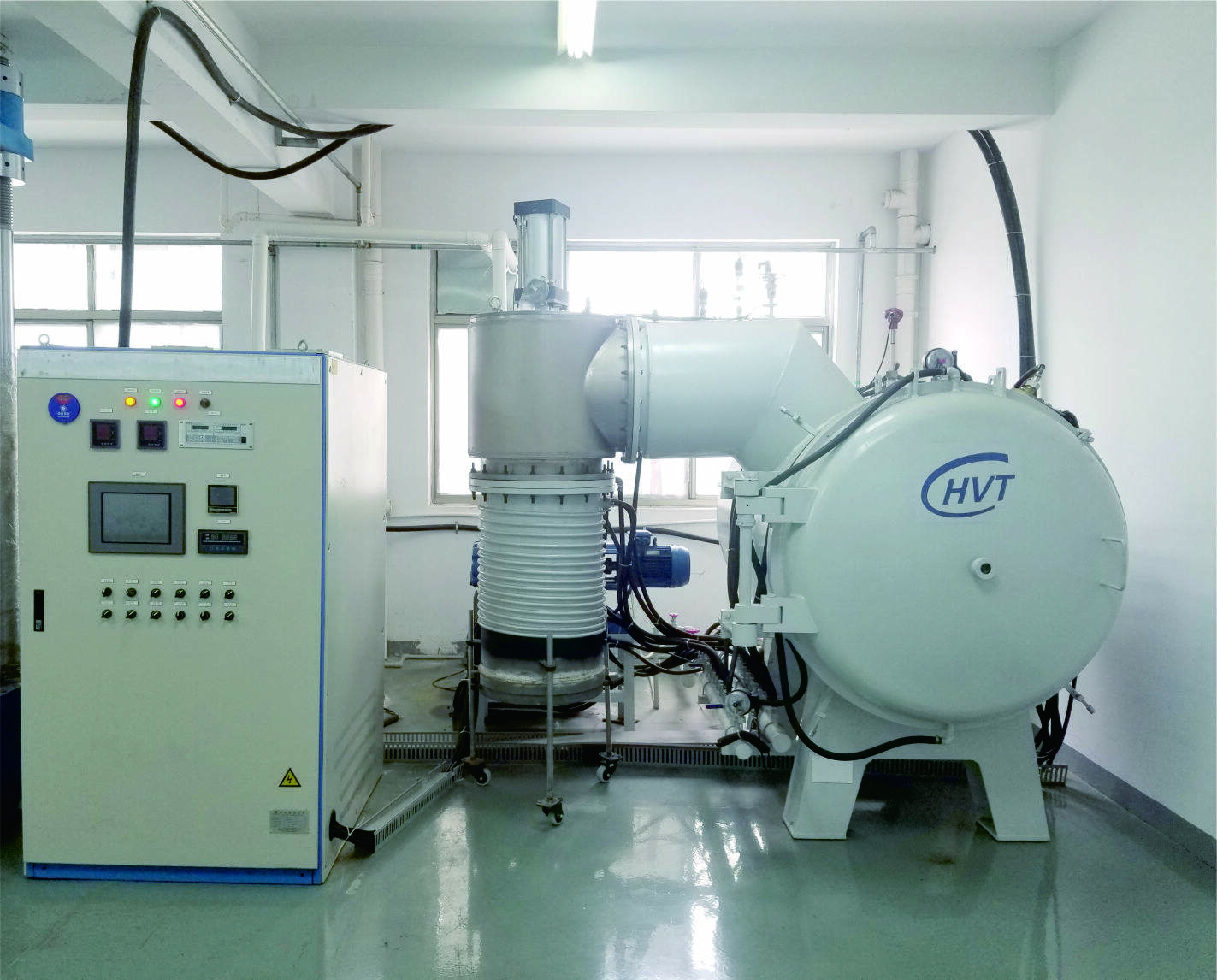
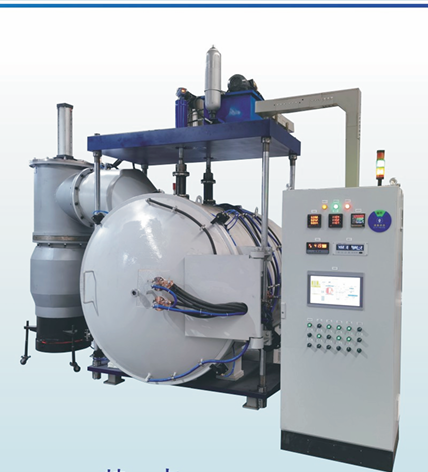
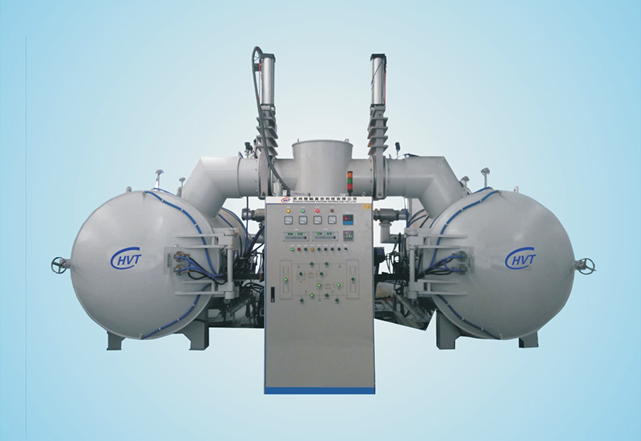
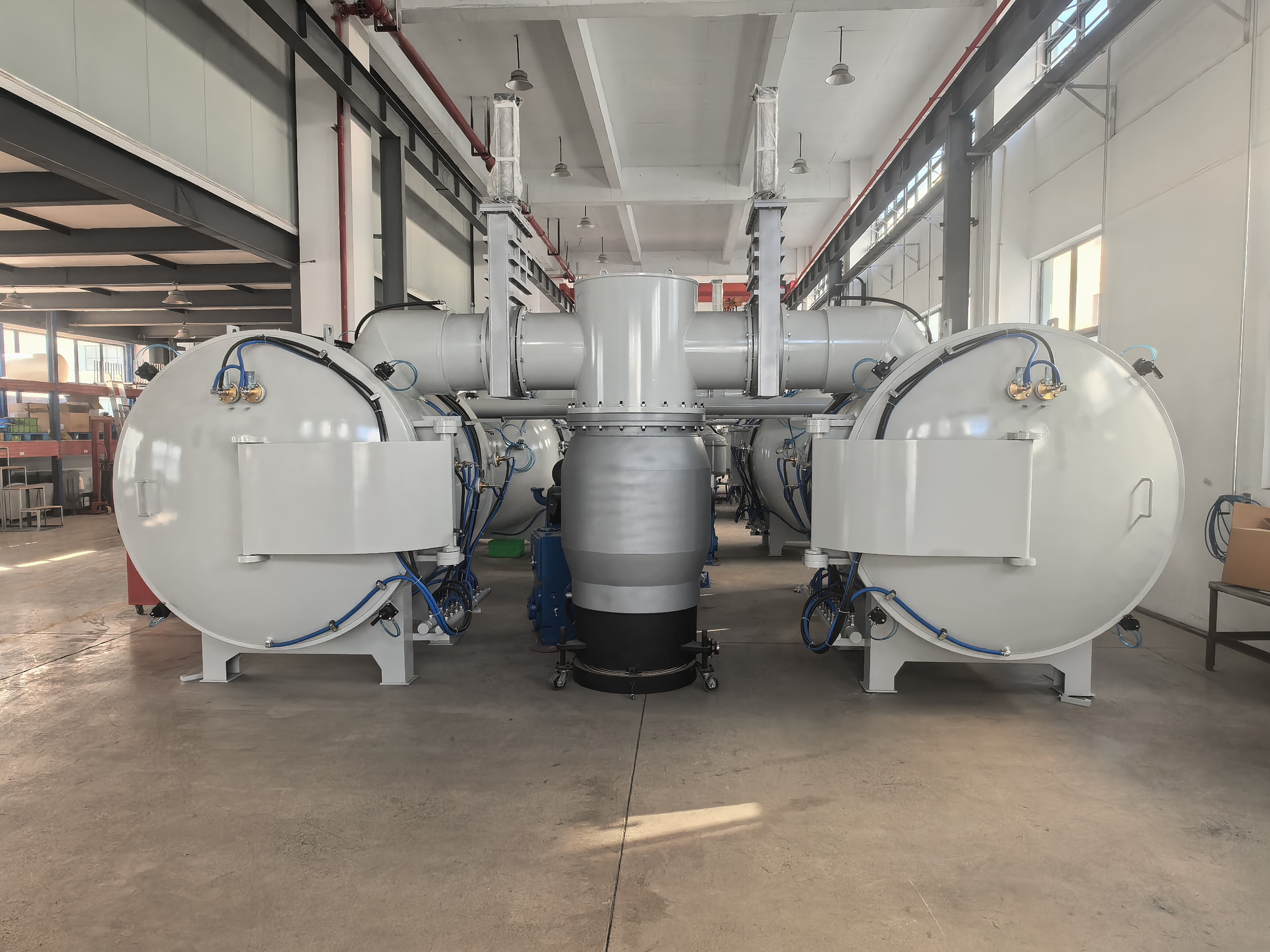
The aluminum induction melting furnace represents a cutting-edge solution in metal processing technology, designed specifically for efficient and precise melting of aluminum and its alloys. This advanced system utilizes electromagnetic induction to generate heat directly within the metal, achieving optimal melting temperatures while maintaining precise control over the entire process. The furnace operates by passing an alternating current through a copper coil, creating a magnetic field that induces eddy currents in the metal charge, resulting in rapid and uniform heating. With capacities ranging from small laboratory units to industrial-scale installations, these furnaces can accommodate various production requirements. The system incorporates sophisticated temperature control mechanisms, enabling operators to maintain exact thermal conditions throughout the melting cycle. Modern aluminum induction melting furnaces feature advanced safety systems, including emergency shutdown protocols and cooling systems that protect both operators and equipment. The technology also supports various metallurgical operations, including alloying, superheat control, and holding operations, making it invaluable in foundries, die-casting facilities, and aluminum processing plants.


New Product Recommendations

The aluminum induction melting furnace offers numerous compelling advantages that make it the preferred choice for modern metal processing operations. First and foremost, its energy efficiency stands out, as the direct heat generation within the metal itself minimizes energy losses compared to conventional heating methods. The precise temperature control capability ensures consistent metal quality and reduces the risk of overheating, which can affect the final product properties. The clean melting environment, free from combustion products, results in higher quality aluminum with minimal contamination and reduced dross formation. The furnace's rapid heating capability significantly decreases melting time, improving productivity and reducing operational costs. Safety is enhanced through the elimination of open flames and combustion gases, creating a safer working environment for operators. The system's compact design requires less floor space compared to traditional furnaces, making it ideal for facilities with space constraints. Maintenance requirements are generally lower due to the absence of burners and combustion systems. The furnace's ability to maintain precise temperature control helps prevent material waste and ensures consistent product quality. Additionally, the technology's flexibility allows for quick adjustments in production parameters, enabling manufacturers to respond rapidly to changing production needs. The system's environmental impact is notably reduced due to lower emissions and improved energy utilization, aligning with modern sustainability goals.

Practical Tips

How to Choose the Right Industrial Furnace for Your Production Needs?

17

Sep

How to Choose the Right Industrial Furnace for Your Production Needs?

How to Choose the Right Mechanical Pump for Fluid Transfer? Choosing the right Mechanical Pump for fluid transfer is crucial for industries that require reliable, efficient, and safe handling of liquids. The correct pump ensures optimal performance, ...
View More
How to Choose the Right Vacuum Brazing Furnace for Your Process?

27

Aug

How to Choose the Right Vacuum Brazing Furnace for Your Process?

Understanding Modern Vacuum Brazing Technology Selecting the ideal vacuum brazing furnace represents a critical decision for manufacturing operations, directly impacting production quality, efficiency, and long-term operational costs. Modern vacuum b...
View More
How to Choose the Right Heat Shield Material for Your Needs?

27

Aug

How to Choose the Right Heat Shield Material for Your Needs?

Understanding Heat Shield Materials and Their Critical Applications Heat shield materials play a vital role in protecting various components and systems from extreme temperatures across multiple industries. From aerospace applications to industrial f...
View More
What Types of Melting Furnaces Are Suitable for Different Metals

21

Oct

What Types of Melting Furnaces Are Suitable for Different Metals

Understanding Industrial Metal Melting Technologies The world of metallurgy revolves around the critical process of melting metals, and selecting the right melting furnaces plays a pivotal role in achieving optimal results. From precious metals to in...
View More

Get a Free Quote

Our representative will contact you soon.
Email
Name
Company Name
Message
0/1000

aluminum induction melting furnace

Advanced Temperature Control System

Advanced Temperature Control System

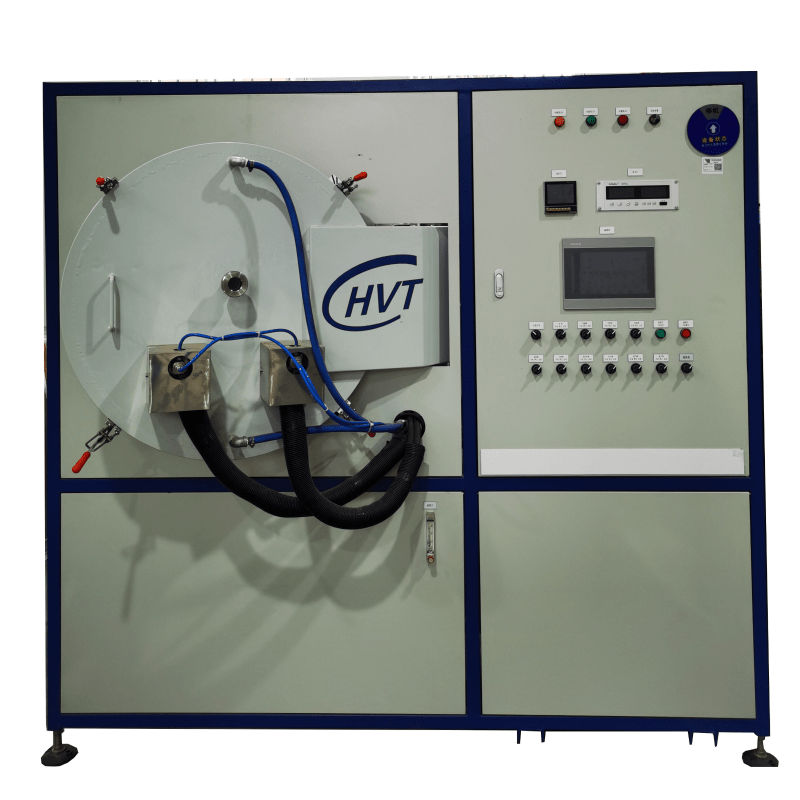
The aluminum induction melting furnace features a state-of-the-art temperature control system that sets new standards in precision melting operations. This sophisticated system employs multiple temperature sensors strategically placed throughout the furnace, providing real-time monitoring and adjustment capabilities. The digital control interface allows operators to program specific temperature profiles for different aluminum alloys, ensuring optimal melting conditions for each material type. The system's rapid response time enables immediate corrections to maintain the desired temperature within tight tolerances, typically within ±2 degrees Celsius. This precise control prevents overheating and material degradation while ensuring consistent melt quality throughout the production cycle. The temperature management system also includes advanced safety features that automatically adjust power input based on load conditions and prevent thermal runaway situations.
Energy-Efficient Operation

Energy-Efficient Operation

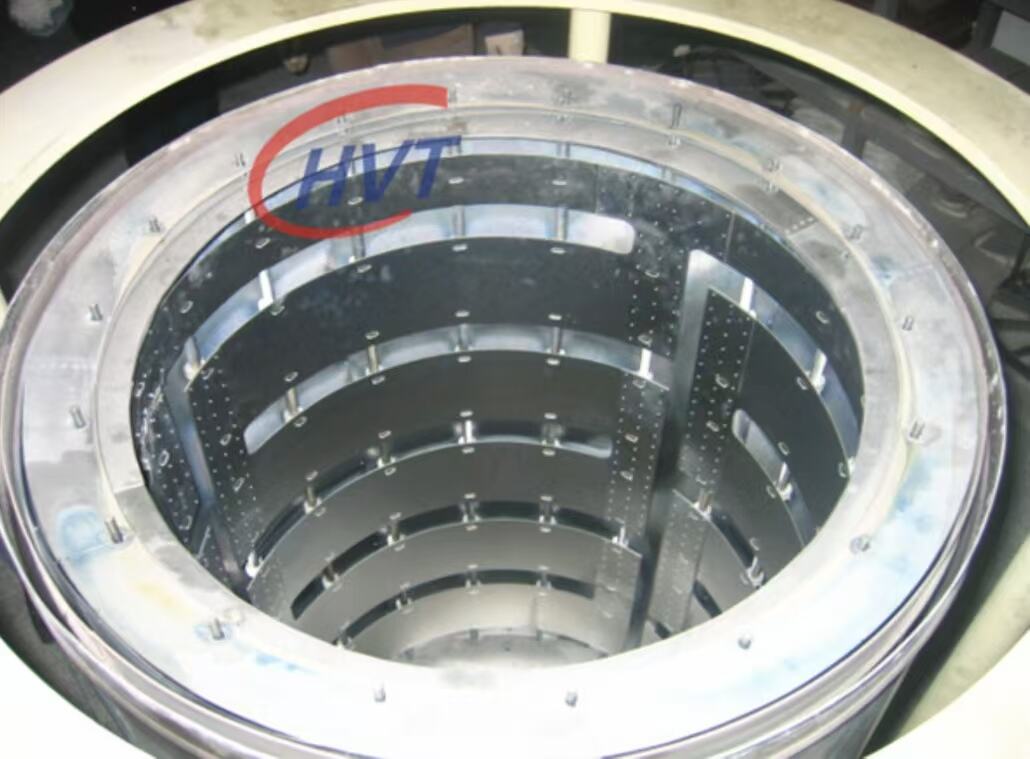
The furnace's energy efficiency is achieved through innovative electromagnetic induction technology that converts electrical energy directly into heat within the metal charge. This direct heating method eliminates the significant heat losses associated with conventional combustion-based systems. The furnace maintains an impressive energy conversion efficiency of up to 90%, significantly reducing operational costs compared to traditional melting methods. The system includes power factor correction equipment that optimizes electrical consumption and reduces utility costs. Advanced insulation materials and water-cooling systems further enhance energy efficiency by minimizing heat loss to the environment. The furnace's ability to quickly reach and maintain optimal melting temperatures reduces overall energy consumption and contributes to shorter production cycles.
Smart Production Management Interface

Smart Production Management Interface

The integrated smart production management interface revolutionizes how operators interact with and control the melting process. This advanced digital system provides comprehensive real-time monitoring of all critical parameters, including power consumption, temperature profiles, and melt status. The interface features an intuitive touchscreen display that allows operators to easily adjust settings and monitor progress without extensive training. Data logging capabilities enable detailed analysis of melting cycles, helping optimize processes and maintain quality control records. The system includes predictive maintenance algorithms that alert operators to potential issues before they become problems, reducing downtime and maintenance costs. Remote monitoring capabilities allow supervisors to track multiple furnaces simultaneously and make adjustments from anywhere in the facility.

Get a Free Quote

Our representative will contact you soon.
Email
Name
Company Name
Message
0/1000