Industrial Furnaces: Advanced Thermal Processing Solutions for Modern Manufacturing

All Categories

types of industrial furnaces

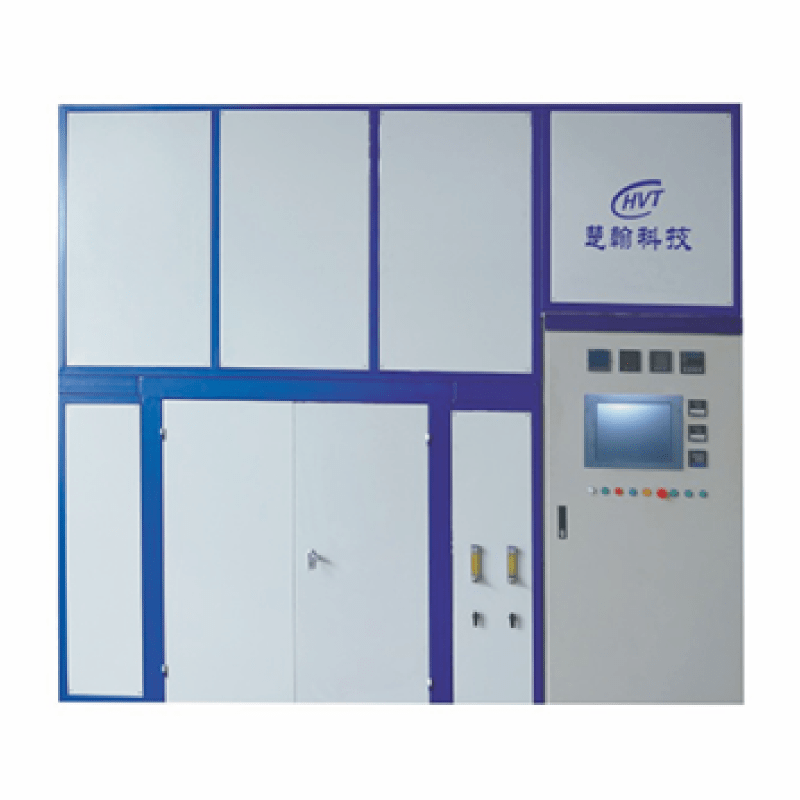
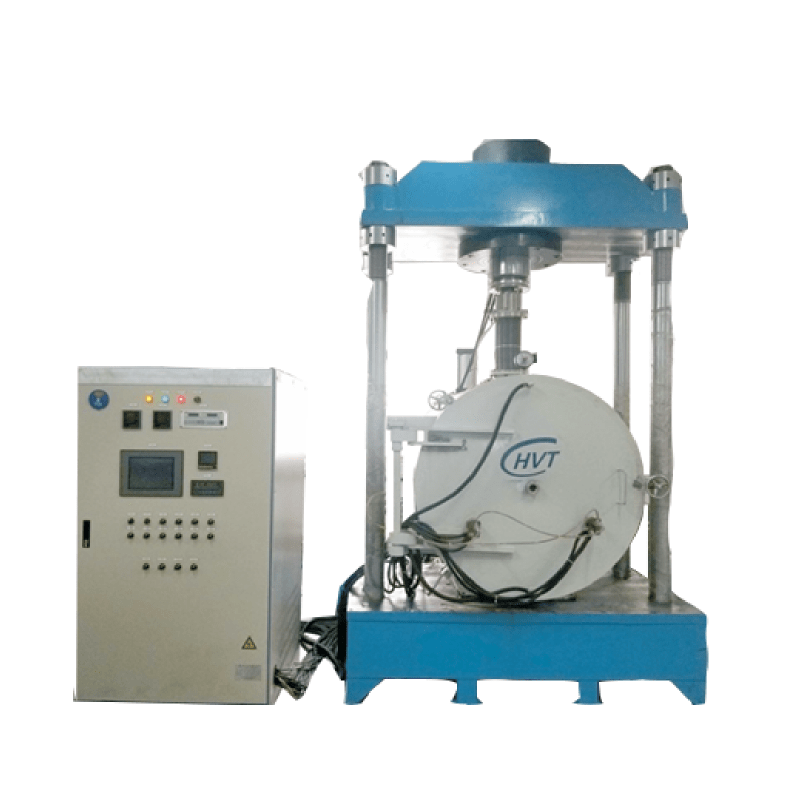
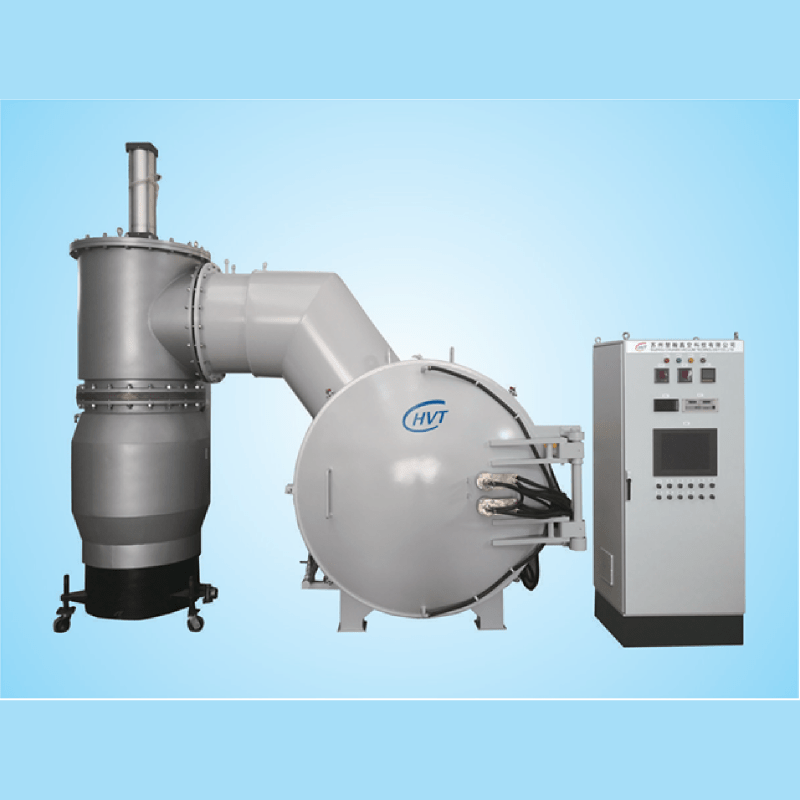
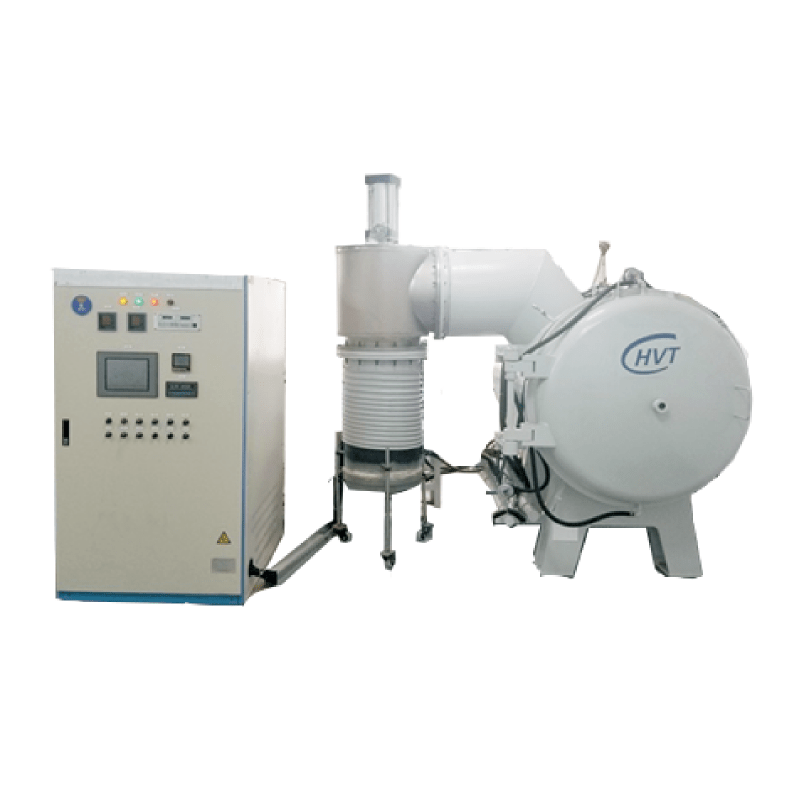
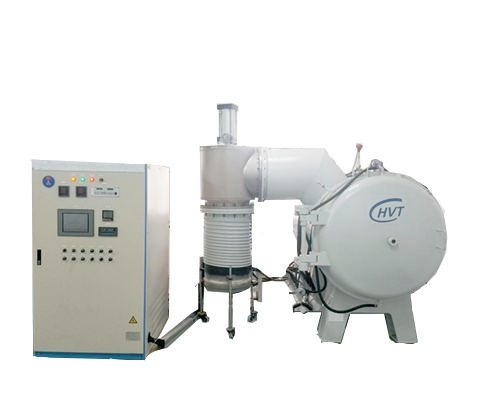
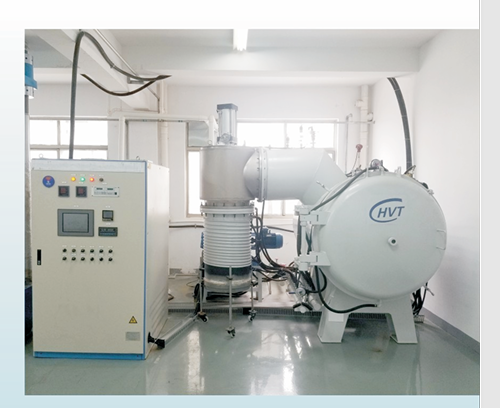
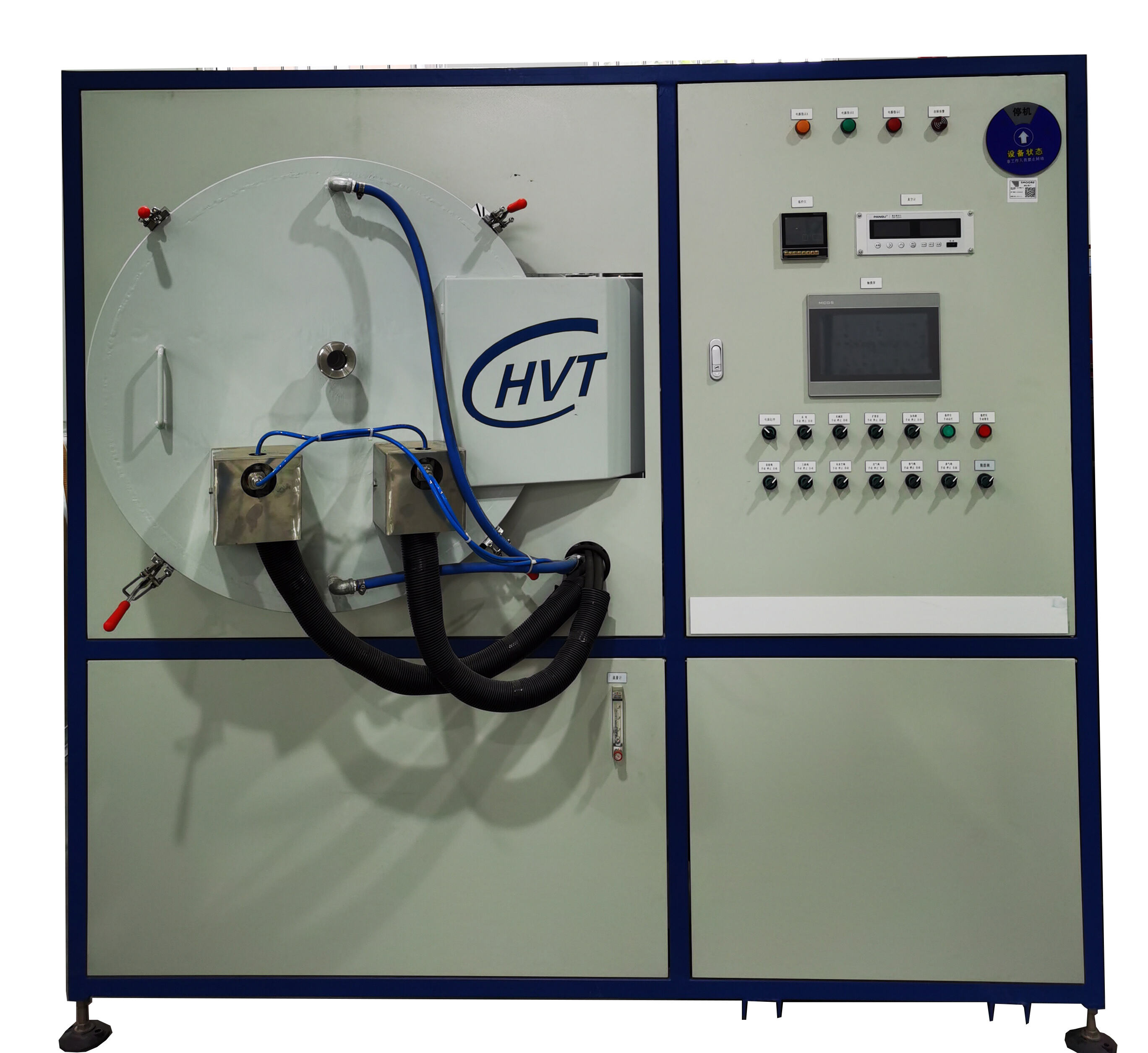
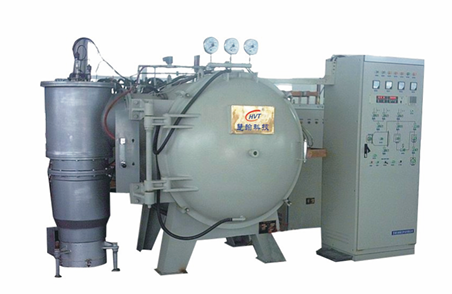
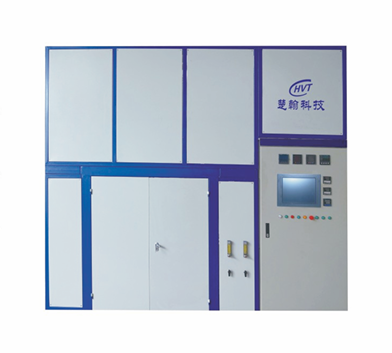
Industrial furnaces are sophisticated thermal processing equipment essential for various manufacturing processes. These furnaces can be categorized into several types, including blast furnaces, reverberatory furnaces, rotary furnaces, and electric furnaces. Blast furnaces are primarily used in metal production, particularly iron and steel, operating at extremely high temperatures through continuous combustion. Reverberatory furnaces feature a unique design where heat is reflected from the roof onto the materials below, making them ideal for metal refining and smelting operations. Rotary furnaces, characterized by their rotating cylindrical chamber, ensure uniform heating and are commonly used in cement production and waste incineration. Electric furnaces, powered by electricity rather than fossil fuels, offer precise temperature control and are widely used in heat treatment processes. These furnaces employ various heating methods, including resistance heating, induction heating, and arc heating, each suited to specific industrial applications. Modern industrial furnaces are equipped with advanced control systems, ensuring optimal energy efficiency and precise temperature regulation. They play a crucial role in industries ranging from metallurgy and ceramics to chemical processing and heat treatment of materials.


Popular Products

Industrial furnaces offer numerous advantages that make them indispensable in modern manufacturing processes. First, they provide exceptional temperature control and uniformity, ensuring consistent product quality across batches. This precision is particularly valuable in industries requiring strict adherence to thermal processing specifications. The versatility of industrial furnaces allows them to handle various materials and processing requirements, from metal heat treatment to ceramic firing. Modern furnaces incorporate energy-efficient designs, reducing operational costs while maintaining high performance. Advanced automation systems minimize human intervention, increasing safety and reducing labor costs. The ability to maintain specific atmospheric conditions within the furnace chamber enables specialized processes like carburizing or nitriding. These furnaces also offer excellent scalability, with sizes ranging from small laboratory units to massive industrial installations. The durability of modern industrial furnaces ensures long service life with proper maintenance, providing excellent return on investment. They feature advanced safety systems, protecting both operators and equipment from potential hazards. The integration of digital controls and monitoring systems allows for real-time process optimization and quality control. Environmental benefits include reduced emissions through efficient combustion and the option for electric power sources. The modular design of many modern furnaces facilitates easy maintenance and future upgrades. These advantages combine to make industrial furnaces a crucial component in modern manufacturing operations.

Tips And Tricks

 How to Maintain Industrial Furnaces for Optimal Performance

21

Oct

How to Maintain Industrial Furnaces for Optimal Performance

Essential Strategies for Industrial Furnace Care and Longevity Industrial furnaces represent significant investments in any manufacturing or processing facility. These critical pieces of equipment require meticulous industrial furnace maintenance to ...
View More
What Are the Advantages of Using Metal Furnaces Over Traditional Ovens

21

Oct

What Are the Advantages of Using Metal Furnaces Over Traditional Ovens

Revolutionizing Industrial Heating: The Power of Metal Furnaces The industrial heating landscape has evolved dramatically over the years, with metal furnaces emerging as a game-changing solution for manufacturers and processors worldwide. These sophi...
View More
How to Improve Metal Melting Furnace Energy Efficiency

21

Oct

How to Improve Metal Melting Furnace Energy Efficiency

Modern Approaches to Energy Optimization in Metal Melting Operations The metal melting industry stands at a critical juncture where energy efficiency has become paramount for both environmental sustainability and operational profitability. Metal melt...
View More
What Are the Common Uses of Vacuum Furnaces in Industry

04

Nov

What Are the Common Uses of Vacuum Furnaces in Industry

Understanding the Critical Role of Vacuum Furnaces in Modern Manufacturing Vacuum furnaces represent a cornerstone technology in modern industrial manufacturing, offering unparalleled precision and control in heat treatment processes. These sophistic...
View More

Get a Free Quote

Our representative will contact you soon.
Email
Name
Company Name
Message
0/1000

types of industrial furnaces

Advanced Temperature Control Systems

Advanced Temperature Control Systems

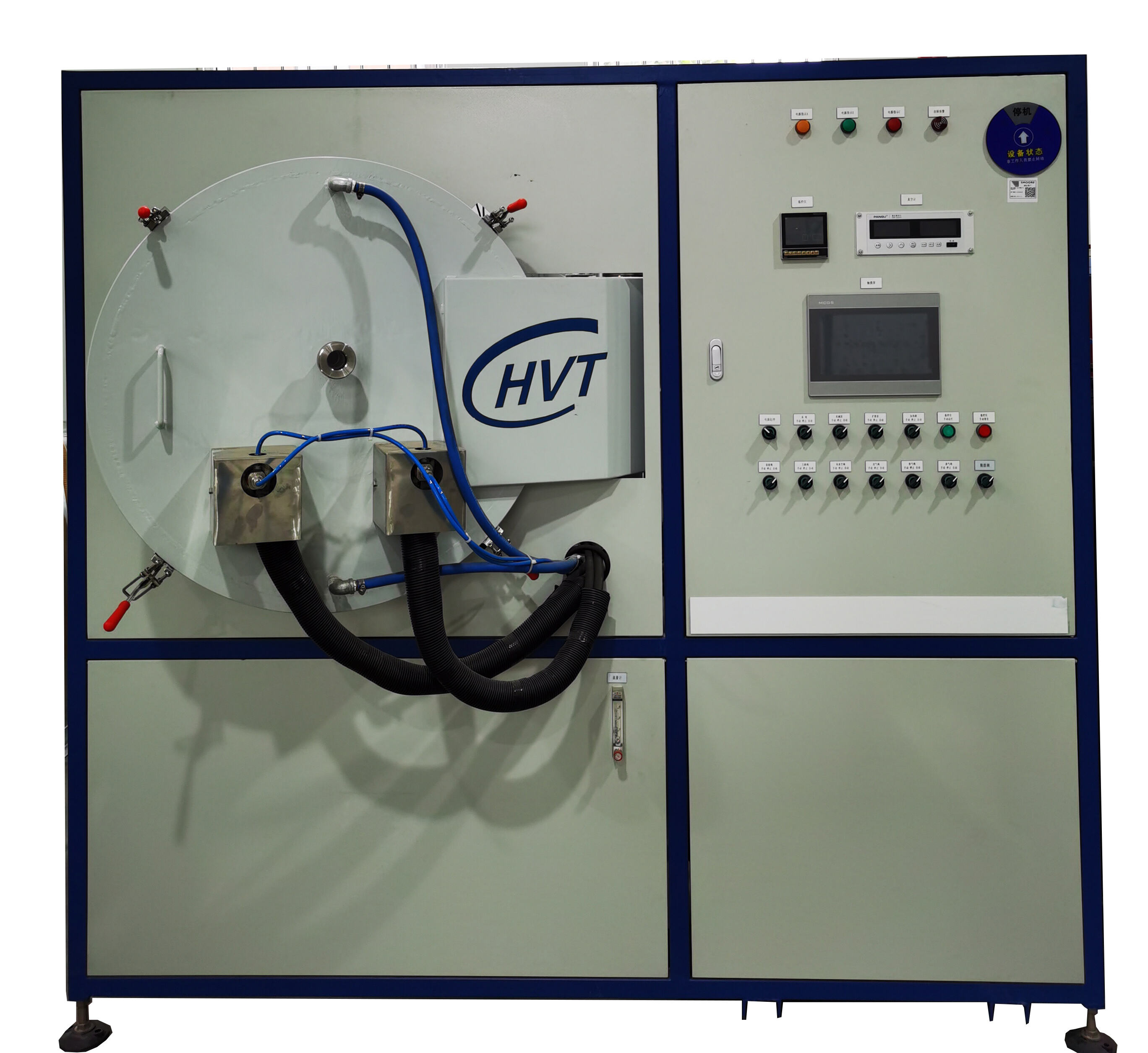
Modern industrial furnaces excel in precise temperature control through sophisticated digital systems. These systems employ multiple temperature zones, allowing for precise heating profiles and uniform temperature distribution throughout the furnace chamber. Advanced PID controllers continuously monitor and adjust heating elements, maintaining temperature accuracy within fraction of a degree. This level of control is essential for processes requiring specific heat treatment protocols, such as metal hardening or ceramic firing. The system includes multiple thermocouples strategically placed throughout the furnace, providing comprehensive temperature mapping and monitoring. Real-time data logging capabilities enable process validation and quality control documentation. The ability to program complex heating cycles automates sophisticated thermal processes, reducing operator intervention and human error.
Energy Efficiency and Sustainability Features

Energy Efficiency and Sustainability Features

Industrial furnaces incorporate cutting-edge energy efficiency features that significantly reduce operational costs and environmental impact. Advanced insulation materials and optimized chamber designs minimize heat loss, maximizing energy utilization. Heat recovery systems capture and reuse waste heat, improving overall efficiency by up to 30%. Variable frequency drives on motors and fans adjust power consumption based on actual demand. Smart control systems optimize fuel consumption by maintaining ideal combustion conditions. The integration of renewable energy options and hybrid heating systems provides flexibility in energy sources. These features not only reduce energy costs but also help companies meet environmental regulations and sustainability goals.
Versatile Processing Capabilities

Versatile Processing Capabilities

Modern industrial furnaces offer exceptional versatility in processing various materials and products. Multiple chamber configurations enable simultaneous processing of different materials or batch sizes. Adjustable atmospheric controls allow for specialized processes like carburizing, nitriding, or controlled oxidation. The ability to modify heating rates, hold times, and cooling profiles accommodates diverse product requirements. Advanced material handling systems facilitate automated loading and unloading, improving productivity. The furnaces can be configured for continuous or batch processing, adapting to different production needs. Custom fixtures and tooling options enable processing of complex geometries and specialized products. This versatility makes industrial furnaces suitable for a wide range of industries and applications.

Get a Free Quote

Our representative will contact you soon.
Email
Name
Company Name
Message
0/1000