
 EN
EN
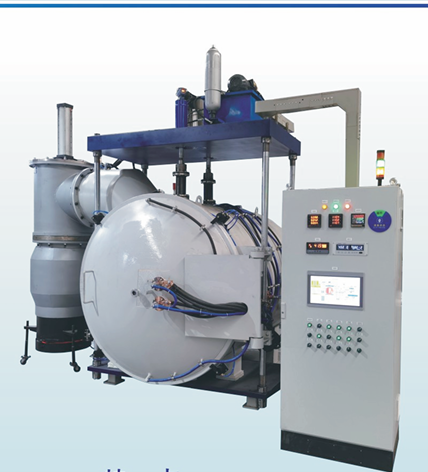
Essential Guidelines for Vacuum Brazing Furnace Maintenance
Maintaining a vacuum brazing furnace is crucial for ensuring consistent, high-quality results in industrial manufacturing processes. These sophisticated pieces of equipment require meticulous care and attention to detail to operate at peak efficiency. Proper maintenance not only extends the equipment's lifespan but also guarantees reliable performance and reduces costly downtime. In this comprehensive guide, we'll explore the best practices, preventive measures, and expert techniques for keeping your vacuum brazing furnace in optimal condition.
The complexity of vacuum brazing furnaces demands a systematic approach to maintenance. From regular inspections to scheduled servicing, each aspect plays a vital role in maintaining the integrity of the brazing process. Understanding these maintenance requirements helps operators and maintenance teams develop effective strategies for long-term equipment reliability.
Core Components and Maintenance Priorities
Vacuum Pump System Care
The vacuum pump system serves as the heart of any vacuum brazing furnace. Regular maintenance of this critical component ensures proper vacuum levels and consistent brazing results. Start by checking the pump oil levels daily and maintaining proper oil quality through scheduled changes. The frequency of oil changes depends on usage patterns and environmental conditions, but generally, every 1,000 operating hours is recommended.
Monitor vacuum pump performance by regularly recording baseline pressure readings. Any significant deviation from normal operating parameters could indicate potential issues requiring immediate attention. Clean or replace inlet filters according to manufacturer specifications, typically every three to six months, depending on usage intensity.
Heating Element Inspection
Heating elements require careful attention to prevent failures during critical brazing operations. Conduct visual inspections for signs of wear, discoloration, or damage whenever the furnace is cool and accessible. Document any irregularities and replace elements showing signs of deterioration before they fail completely.
Verify electrical connections and insulation integrity monthly. Loose connections can cause uneven heating and potentially damage both the elements and workpieces. Consider implementing thermal imaging during operation to identify hot spots or failing elements early.
Temperature Control and Calibration
Thermocouple Maintenance
Accurate temperature measurement is essential for successful vacuum brazing operations. Thermocouples must be regularly calibrated and verified against known standards. Implement a calibration schedule based on usage frequency, typically every three to six months. Replace thermocouples showing signs of drift or inconsistent readings.
Document all calibration results and maintain detailed records of thermocouple performance over time. This historical data helps identify trends and predict potential failures before they impact production quality.
Control System Verification
Modern vacuum brazing furnaces rely on sophisticated control systems to maintain precise temperature profiles. Regularly test and verify all control functions, including temperature controllers, programmers, and safety interlocks. Update software and firmware as recommended by the manufacturer to ensure optimal performance and security.
Perform monthly checks of all control panel connections and verify proper function of emergency stops and safety systems. Clean control panel ventilation ports and replace air filters to prevent overheating of electronic components.
Preventive Maintenance Scheduling
Daily Inspection Routines
Establish comprehensive daily inspection protocols for operators to follow before starting production. These should include visual checks of door seals, vacuum gauge readings, and system pressure levels. Train operators to recognize early warning signs of potential issues and report them immediately.
Maintain detailed logs of daily inspections, including any observations or concerns noted during operation. These records prove invaluable for tracking equipment performance and identifying patterns that might indicate developing problems.
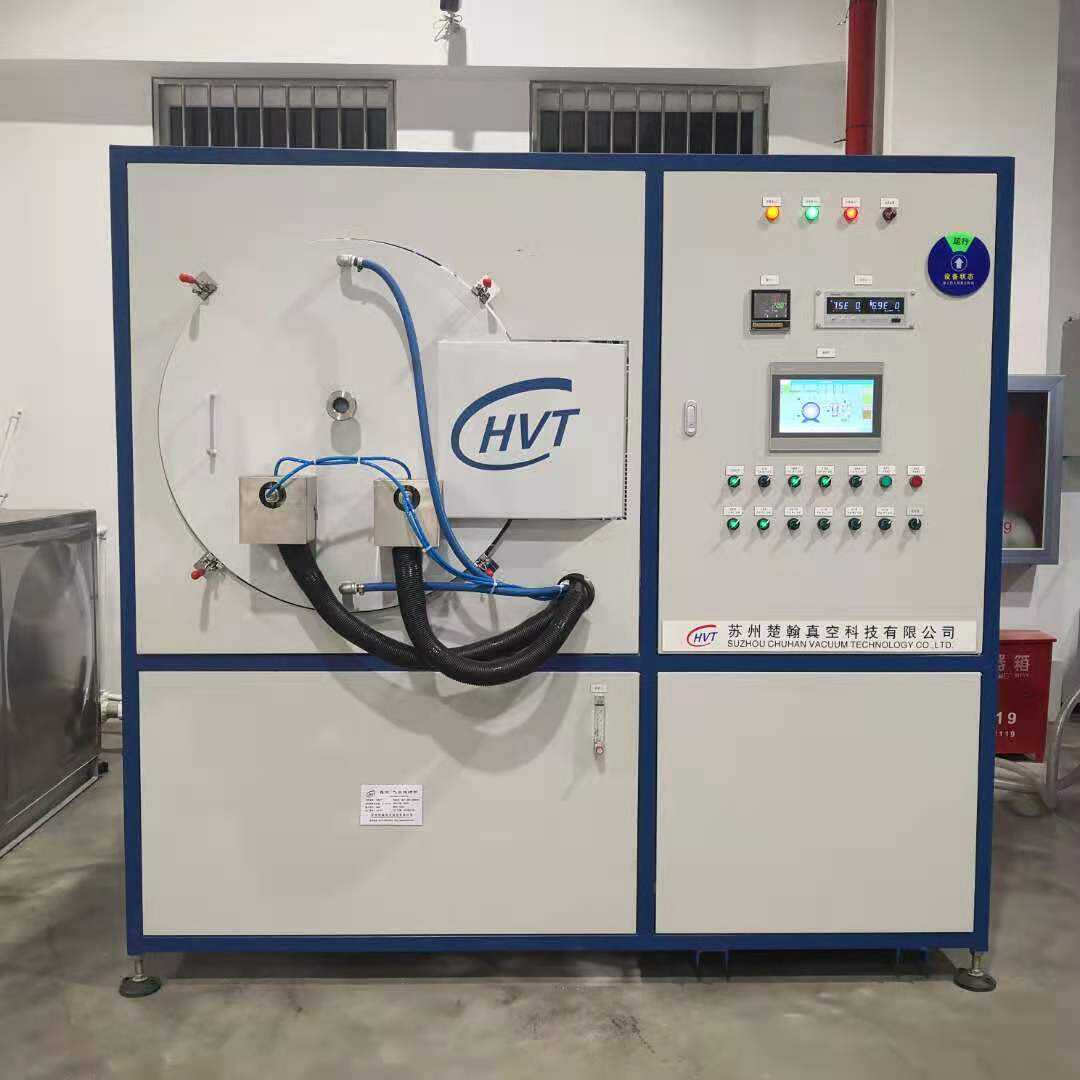
Scheduled Maintenance Procedures
Develop a structured maintenance schedule that includes weekly, monthly, quarterly, and annual tasks. Weekly maintenance might include basic cleaning and inspection of accessible components. Monthly procedures should focus on more detailed inspections and minor preventive maintenance tasks.
Quarterly maintenance typically involves more comprehensive system checks, including vacuum leak testing and thorough cleaning of critical components. Annual maintenance should include complete system overhauls, replacement of wear items, and detailed documentation of equipment condition.
Troubleshooting and Emergency Procedures
Common Issues Resolution
Prepare detailed troubleshooting guides for common problems operators might encounter. Include step-by-step procedures for addressing vacuum leaks, temperature control issues, and pump malfunctions. Train maintenance staff in proper diagnostic techniques and provide them with necessary tools and test equipment.
Document all troubleshooting activities and their outcomes to build a knowledge base for future reference. This information helps reduce downtime by enabling faster problem resolution when similar issues occur.
Emergency Response Protocols
Establish clear emergency procedures for handling serious equipment failures or safety concerns. Include emergency shutdown procedures and contact information for specialized service personnel. Conduct regular training sessions to ensure all staff members understand their roles during emergency situations.
Keep critical spare parts readily available to minimize downtime during unexpected failures. Maintain relationships with reliable service providers who can provide rapid response when needed.
Frequently Asked Questions
How often should vacuum pump oil be changed in a brazing furnace?
Vacuum pump oil should typically be changed every 1,000 operating hours or sooner if contamination is detected. However, this frequency may vary depending on usage patterns, environmental conditions, and manufacturer recommendations. Regular oil analysis can help determine optimal change intervals for your specific application.
What are the signs of failing heating elements in a vacuum brazing furnace?
Common signs of failing heating elements include uneven heating patterns, increased cycle times, visible physical damage or discoloration, and unexpected temperature fluctuations during operation. Regular thermal imaging and resistance measurements can help detect potential failures before they cause production issues.
How can I prevent vacuum leaks in my brazing furnace?
Prevent vacuum leaks by regularly inspecting and cleaning door seals, maintaining proper gasket condition, checking all vacuum connections and fittings regularly, and conducting scheduled leak tests. Train operators to properly handle doors and ports to avoid damage to sealing surfaces. Implement a preventive maintenance program that includes regular replacement of seals and gaskets before they fail.