
 EN
EN
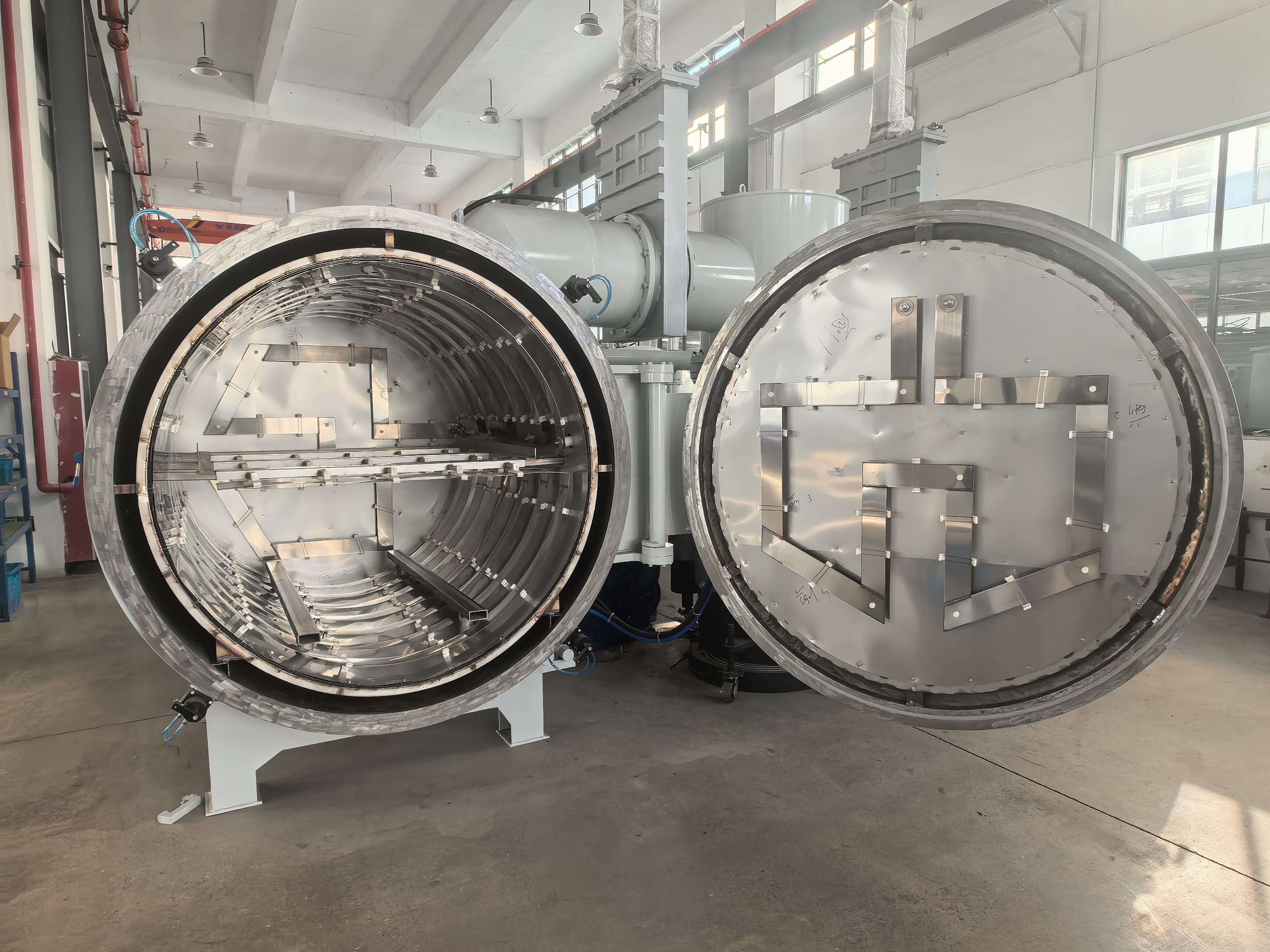
Heat treatment furnaces play a crucial role in modern manufacturing and metallurgical processes, serving as the backbone for enhancing material properties across various industries. These specialized heating systems enable precise temperature control and atmospheric conditions necessary for transforming metal characteristics such as hardness, strength, ductility, and corrosion resistance. Understanding the different types of heat treatment furnaces available in today's market is essential for manufacturers, engineers, and facility managers who need to optimize their production processes and achieve consistent, high-quality results.
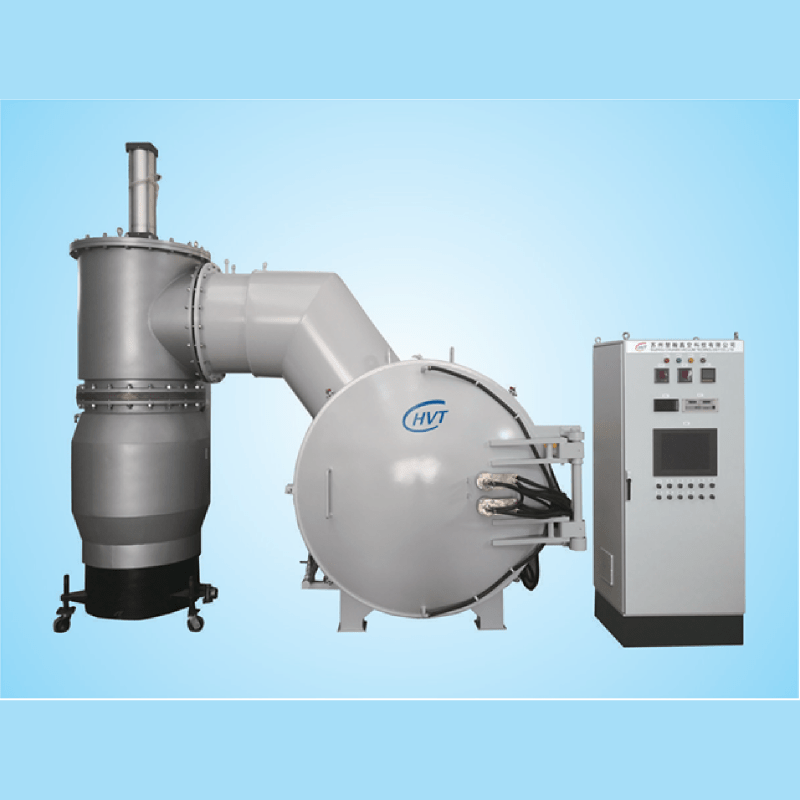
Batch-Type Heat Treatment Furnaces
Box Furnaces and Chamber Systems
Box furnaces represent one of the most versatile categories of heat treatment furnaces, designed for processing multiple components simultaneously in controlled batch operations. These rectangular chamber systems feature removable doors or covers that allow operators to load and unload parts efficiently between heating cycles. The uniform temperature distribution achieved through strategic heating element placement makes box furnaces ideal for annealing, normalizing, and stress relieving operations across various metal alloys.
Modern box furnace designs incorporate advanced insulation materials and programmable temperature controllers that ensure precise thermal profiles throughout the heating chamber. Many industrial facilities prefer these systems for their ability to handle diverse part geometries and sizes within a single batch, maximizing operational efficiency while maintaining consistent metallurgical outcomes.
Bell Furnaces for Large Component Processing
Bell furnaces offer exceptional capabilities for processing large, heavy components that require uniform heating across substantial cross-sections. These systems feature a bell-shaped cover that lowers over the workload, creating a sealed chamber where protective atmospheres can be maintained during heat treatment cycles. The design allows for excellent temperature uniformity and energy efficiency, making bell furnaces particularly suitable for annealing coiled materials, large forgings, and assembled components.
The thermal mass and insulation properties of bell furnace systems enable extended holding periods at treatment temperatures while minimizing energy consumption. This characteristic proves especially valuable for processes requiring slow cooling rates or extended soaking times to achieve desired microstructural transformations.
Continuous Heat Treatment Systems
Conveyor and Walking Beam Furnaces
Continuous heat treatment furnaces revolutionize high-volume production environments by enabling uninterrupted material flow through controlled heating zones. Conveyor systems transport components through sequential temperature zones, allowing for precise thermal profiles that can accommodate complex heat treatment cycles including heating, soaking, and controlled cooling phases. These systems excel in automotive, aerospace, and mass production applications where consistent throughput and uniform results are paramount.
Walking beam furnaces utilize mechanical systems to advance heavy components through heating zones without the need for continuous conveyor belts. This design prevents marking or damage to finished surfaces while maintaining precise positioning throughout the heat treatment process. The ability to program different zone temperatures enables sophisticated thermal processing that would be challenging to achieve in batch systems.
Pusher and Rotary Hearth Configurations
Pusher furnaces employ hydraulic or mechanical systems to advance components through heating chambers at predetermined intervals, ensuring consistent residence times and thermal exposure for each processed part. This design proves particularly effective for cylindrical components, bars, and tubes that require uniform heating across their length. The sequential advancement mechanism allows for excellent process control and predictable production scheduling.
Rotary hearth furnaces feature circular heating chambers where components travel on rotating platforms through controlled temperature zones. This configuration enables continuous operation while providing extended residence times necessary for complex metallurgical transformations. The circular design optimizes floor space utilization while maintaining excellent temperature uniformity across the heating surface.
Atmosphere-Controlled Furnace Systems
Vacuum Heat Treatment Technology
Vacuum heat treatment furnaces provide the ultimate in contamination-free processing environments, eliminating oxidation and decarburization concerns that can compromise material properties. These sophisticated systems create sub-atmospheric conditions that prevent unwanted chemical reactions while enabling precise temperature control across the entire workload. Vacuum heat treatment furnaces are particularly valuable for processing high-alloy steels, titanium, and other reactive materials that require pristine surface conditions.
Advanced vacuum systems incorporate multiple pumping stages and precise pressure control mechanisms that enable selective atmosphere introduction during specific process phases. This capability allows for controlled carburizing, nitriding, or other surface enhancement treatments while maintaining overall vacuum conditions throughout the majority of the heat treatment cycle.
Protective Atmosphere Applications
Controlled atmosphere furnaces utilize carefully managed gas compositions to prevent oxidation while enabling specific metallurgical reactions during heat treatment processes. Nitrogen, hydrogen, carbon monoxide, and various gas mixtures create protective environments that maintain surface quality while allowing for controlled carbon potential management. These systems prove essential for carburizing, neutral hardening, and bright annealing applications where surface condition directly impacts final component performance.
Modern atmosphere control systems feature real-time gas composition monitoring and automated adjustment mechanisms that maintain precise chemical conditions throughout extended processing cycles. This level of control ensures consistent results while minimizing gas consumption and reducing environmental impact compared to traditional oxidizing atmosphere processes.
Specialized Heat Treatment Equipment
Induction Heating Systems
Induction heat treatment furnaces utilize electromagnetic energy to generate heat directly within the workpiece, enabling rapid heating rates and precise temperature control for localized treatments. These systems excel in applications requiring selective hardening, such as gear teeth, shaft surfaces, and cutting tool edges. The ability to heat specific areas without affecting surrounding material makes induction systems invaluable for maintaining dimensional stability while achieving desired surface properties.
Advanced induction heating technology incorporates frequency modulation and power control systems that enable complex thermal profiles for sophisticated heat treatment processes. Multi-frequency systems can achieve different heating depths and patterns within the same component, opening possibilities for gradient hardening and customized property distributions.
Fluidized Bed and Salt Bath Technologies
Fluidized bed heat treatment furnaces create uniform heating environments through suspended particle media that provides excellent heat transfer characteristics and temperature uniformity. These systems prove particularly effective for small components and complex geometries that require consistent heating across irregular surfaces. The fluidized medium enables rapid heat transfer while preventing oxidation through controlled atmospheric conditions.
Salt bath furnaces utilize molten salt mixtures to achieve precise temperature control and uniform heating for specialized applications such as austempering, martempering, and isothermal treatments. The thermal properties of salt baths enable rapid heating and controlled cooling rates that are difficult to achieve with conventional gas-fired systems, making them essential for advanced heat treatment processes.
Selection Criteria and Performance Considerations
Production Volume and Throughput Requirements
Selecting appropriate heat treatment furnaces requires careful consideration of production volume, component size, and required processing times. Batch systems offer flexibility for varied production schedules and diverse component types, while continuous systems provide consistent throughput for high-volume applications. Understanding the relationship between furnace capacity, cycle times, and production demands ensures optimal equipment selection that maximizes efficiency while meeting quality requirements.
Energy efficiency considerations play an increasingly important role in furnace selection decisions, as operating costs and environmental regulations continue to influence manufacturing strategies. Modern furnace designs incorporate recuperative heating, advanced insulation, and intelligent control systems that significantly reduce energy consumption compared to older technologies.
Quality Control and Process Monitoring
Contemporary heat treatment furnaces integrate sophisticated monitoring and control systems that enable real-time process tracking and quality assurance. Temperature profiling, atmosphere analysis, and automated data logging provide documentation necessary for aerospace, automotive, and medical device applications where traceability and consistency are critical requirements.
Predictive maintenance capabilities built into modern furnace control systems help prevent unexpected downtime while optimizing performance throughout equipment lifecycles. These systems monitor heating element performance, insulation effectiveness, and mechanical component wear to schedule maintenance activities during planned production breaks.
FAQ
What factors determine the choice between batch and continuous heat treatment furnaces
The selection between batch and continuous heat treatment systems primarily depends on production volume, component variety, and processing flexibility requirements. Batch furnaces offer superior flexibility for diverse component types and varying production schedules, making them ideal for job shops and facilities processing multiple alloys or part geometries. Continuous systems provide consistent throughput and energy efficiency for high-volume production of similar components, particularly in automotive and mass production environments where standardized processes and predictable output are essential.
How do vacuum heat treatment furnaces compare to atmosphere-controlled systems
Vacuum heat treatment furnaces provide superior contamination control and surface quality compared to protective atmosphere systems, eliminating oxidation and decarburization concerns entirely. While vacuum systems require higher initial investment and more complex maintenance procedures, they offer unmatched process control for high-value materials such as titanium, tool steels, and aerospace alloys. Atmosphere-controlled furnaces provide cost-effective solutions for applications where moderate surface protection is sufficient and processing volumes are high.
What maintenance considerations are important for different furnace types
Maintenance requirements vary significantly among different heat treatment furnace designs, with vacuum systems requiring specialized attention to sealing systems, pumps, and instrumentation. Gas-fired furnaces need regular burner maintenance, flue gas analysis, and heating element inspection to ensure safe and efficient operation. Continuous systems require additional focus on conveyor mechanisms, heating zone alignment, and material handling components that experience constant operation and wear.
How do energy costs compare across different heat treatment furnace technologies
Energy efficiency varies considerably among heat treatment furnace types, with modern designs incorporating recuperative heating, advanced insulation, and intelligent control systems that can reduce consumption by 20-40% compared to older technologies. Induction heating systems typically offer the highest energy efficiency for selective heating applications, while vacuum furnaces may have higher energy requirements due to pumping systems but provide superior process control that can reduce reject rates and rework costs. Continuous systems generally achieve better energy utilization for high-volume applications due to thermal recovery and consistent operation.
Table of Contents
- Batch-Type Heat Treatment Furnaces
- Continuous Heat Treatment Systems
- Atmosphere-Controlled Furnace Systems
- Specialized Heat Treatment Equipment
- Selection Criteria and Performance Considerations
-
FAQ
- What factors determine the choice between batch and continuous heat treatment furnaces
- How do vacuum heat treatment furnaces compare to atmosphere-controlled systems
- What maintenance considerations are important for different furnace types
- How do energy costs compare across different heat treatment furnace technologies