High-Performance Induction Casting Furnace: Advanced Melting Solutions for Precision Metal Casting

All Categories

induction casting furnace

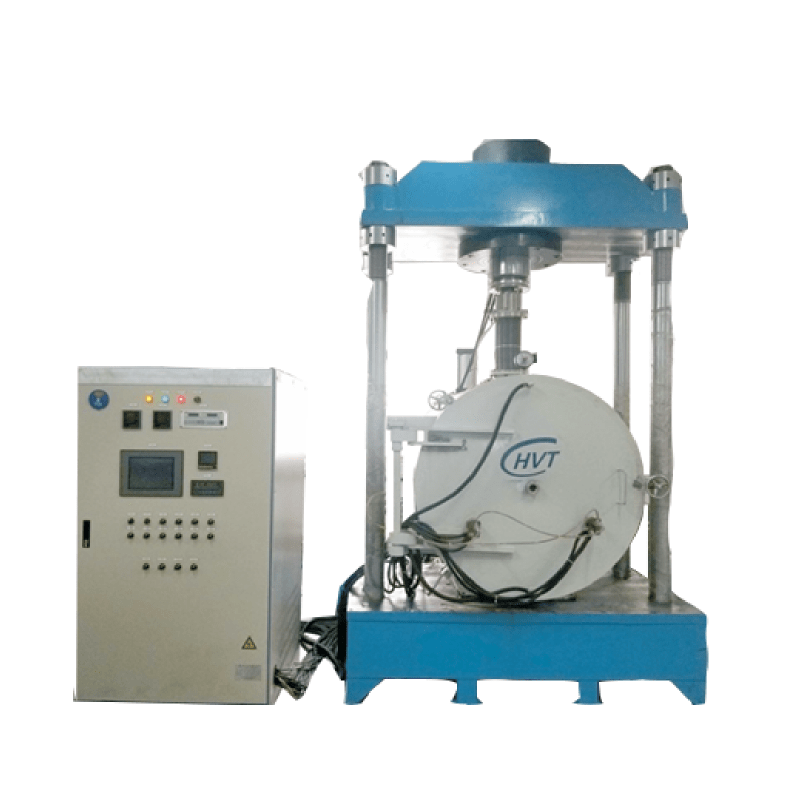
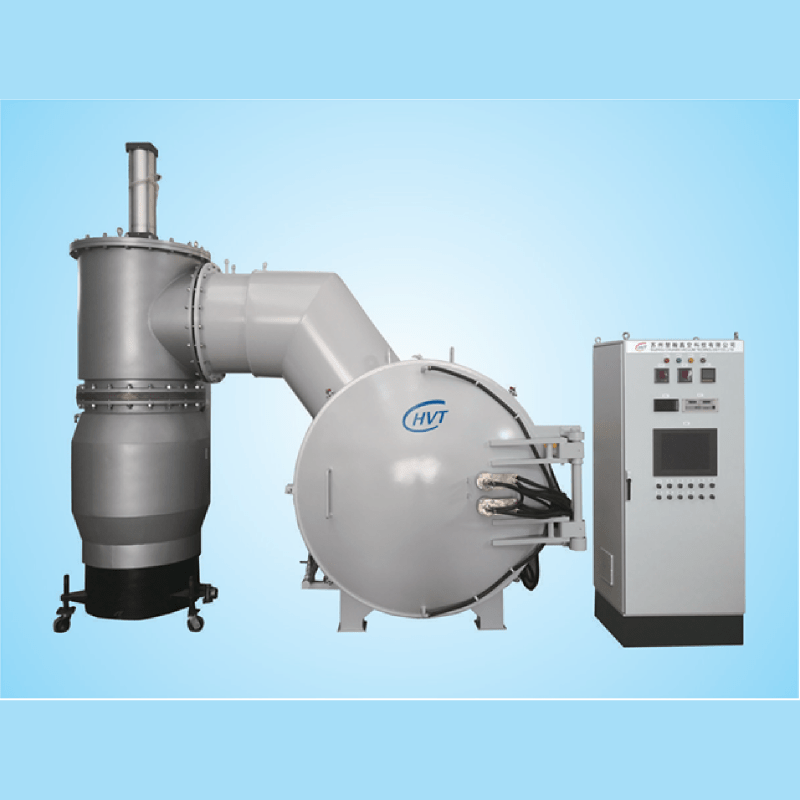
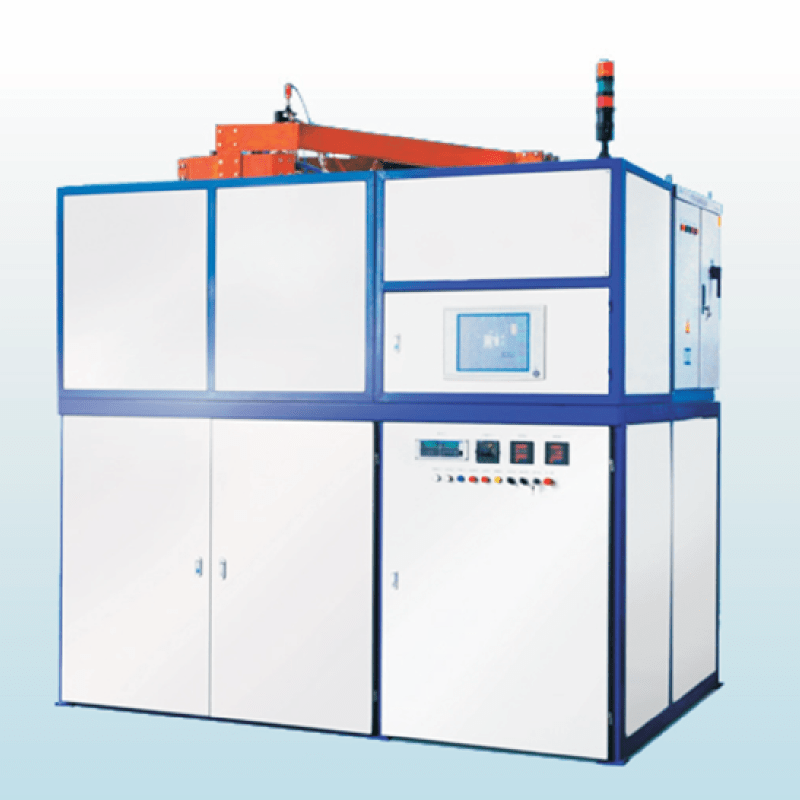
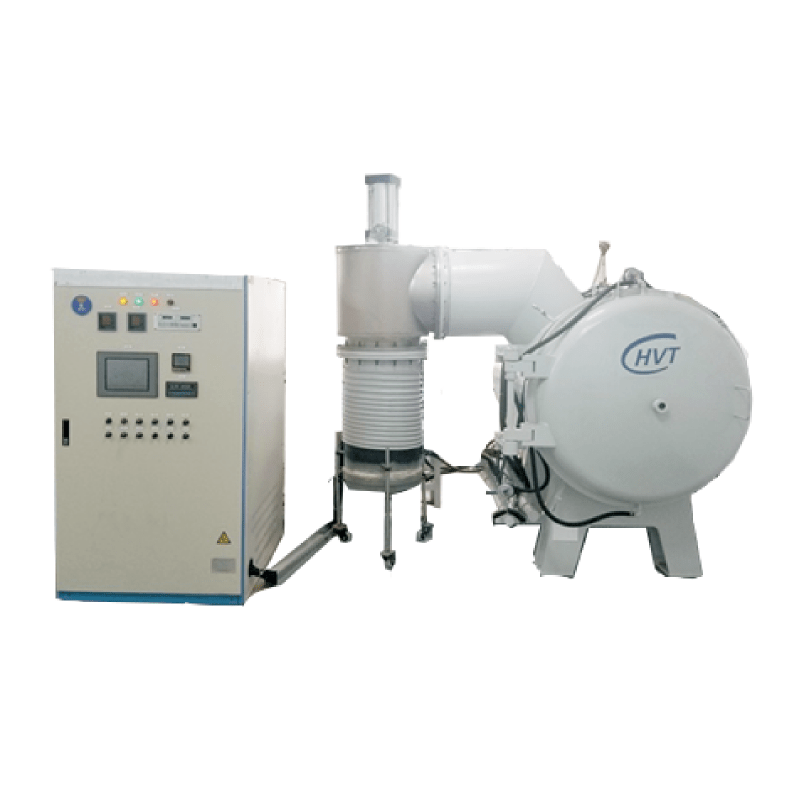
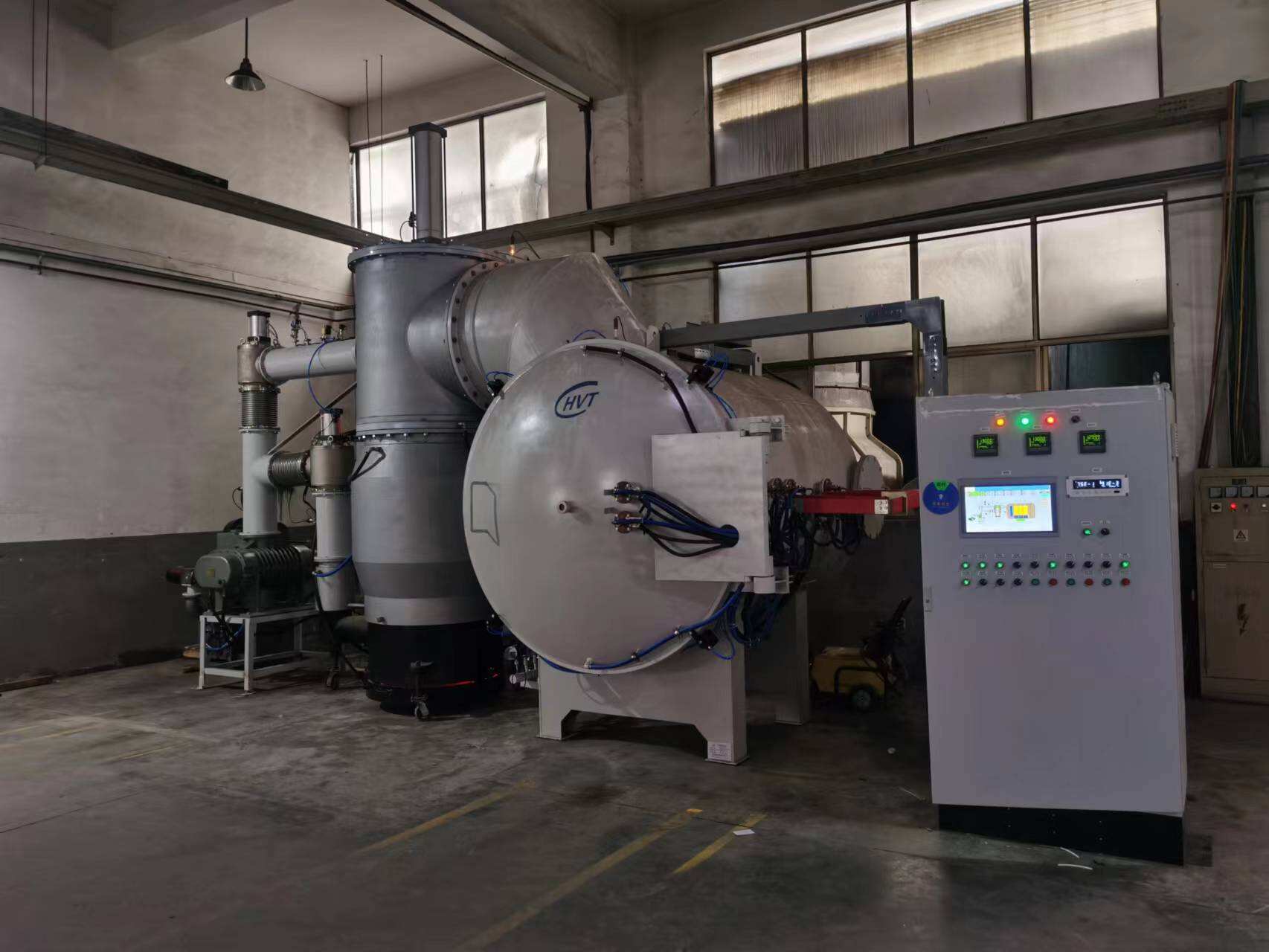
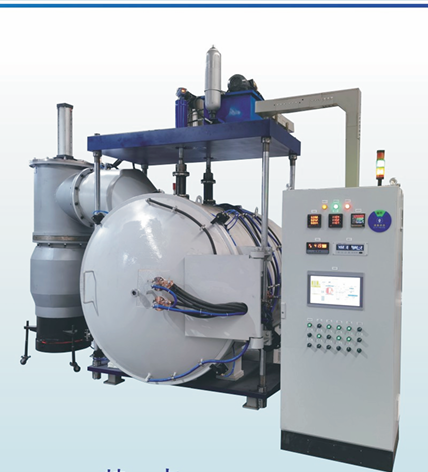
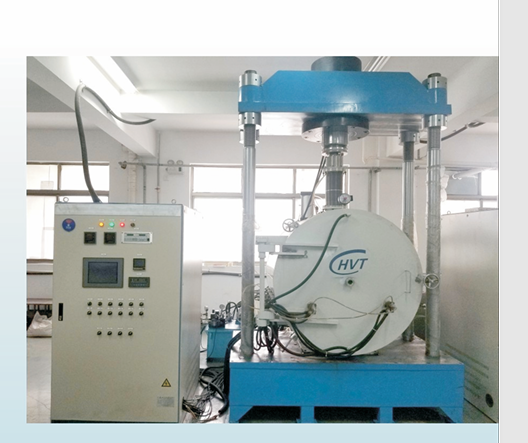
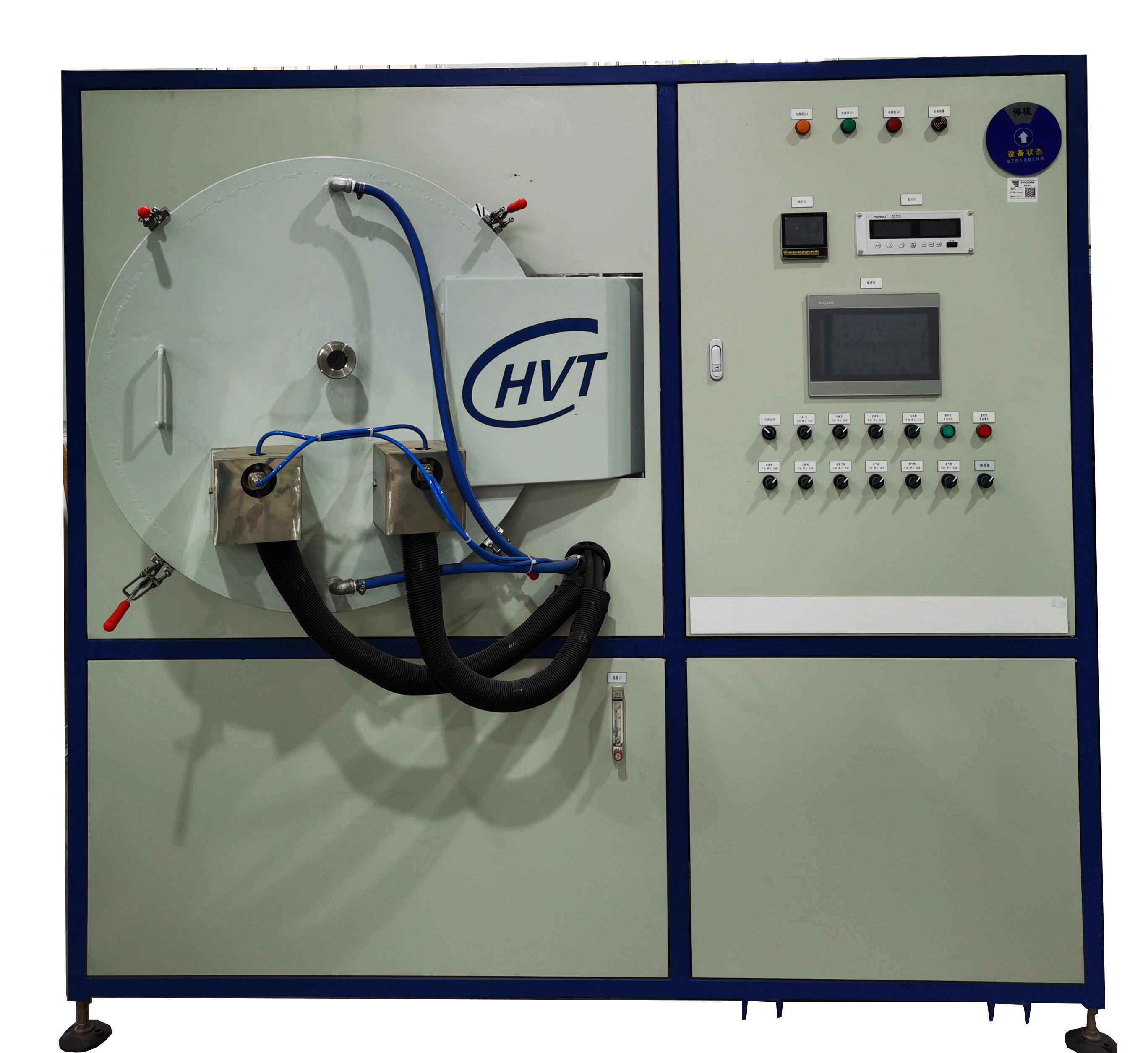
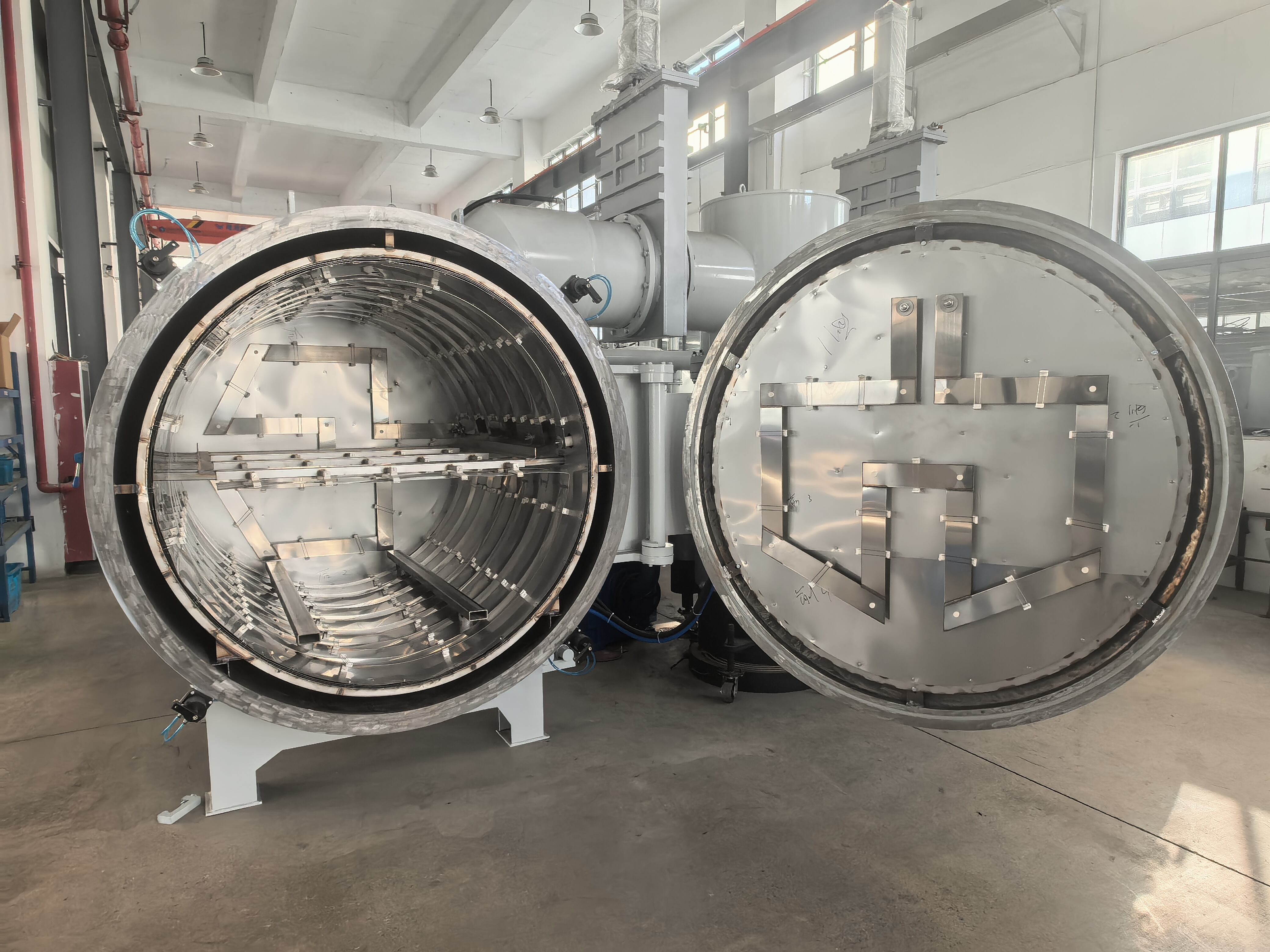
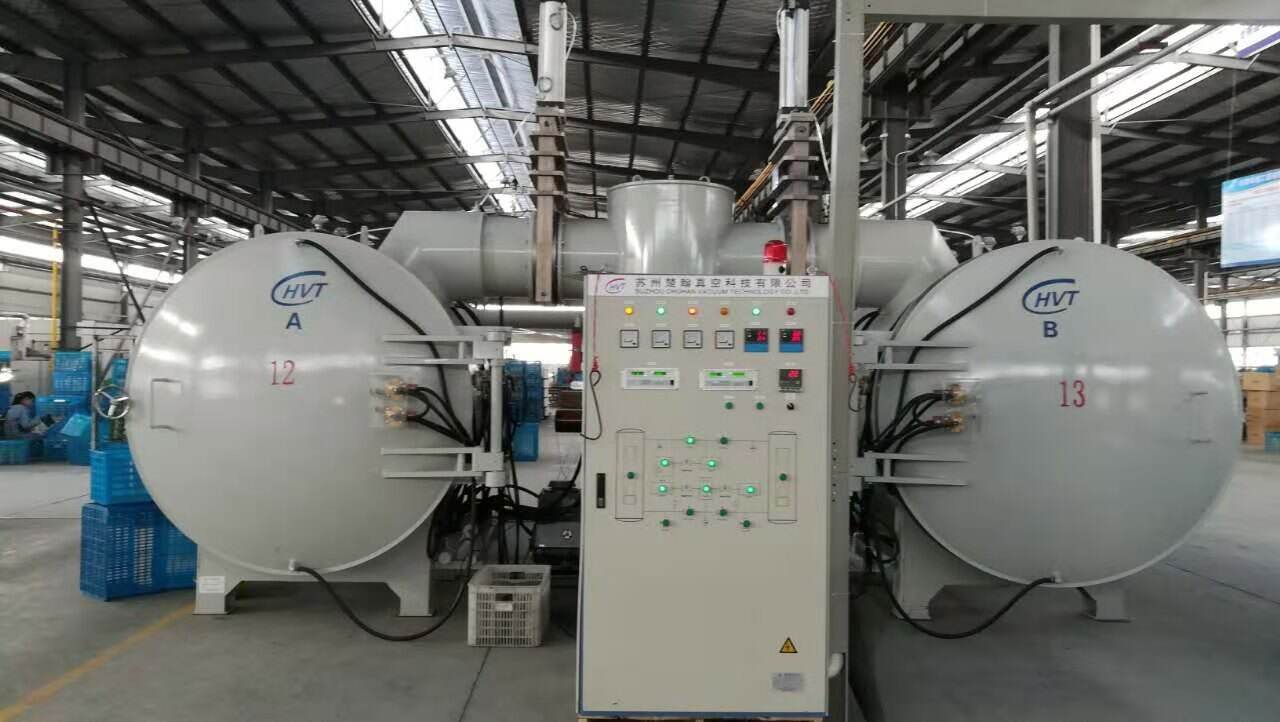
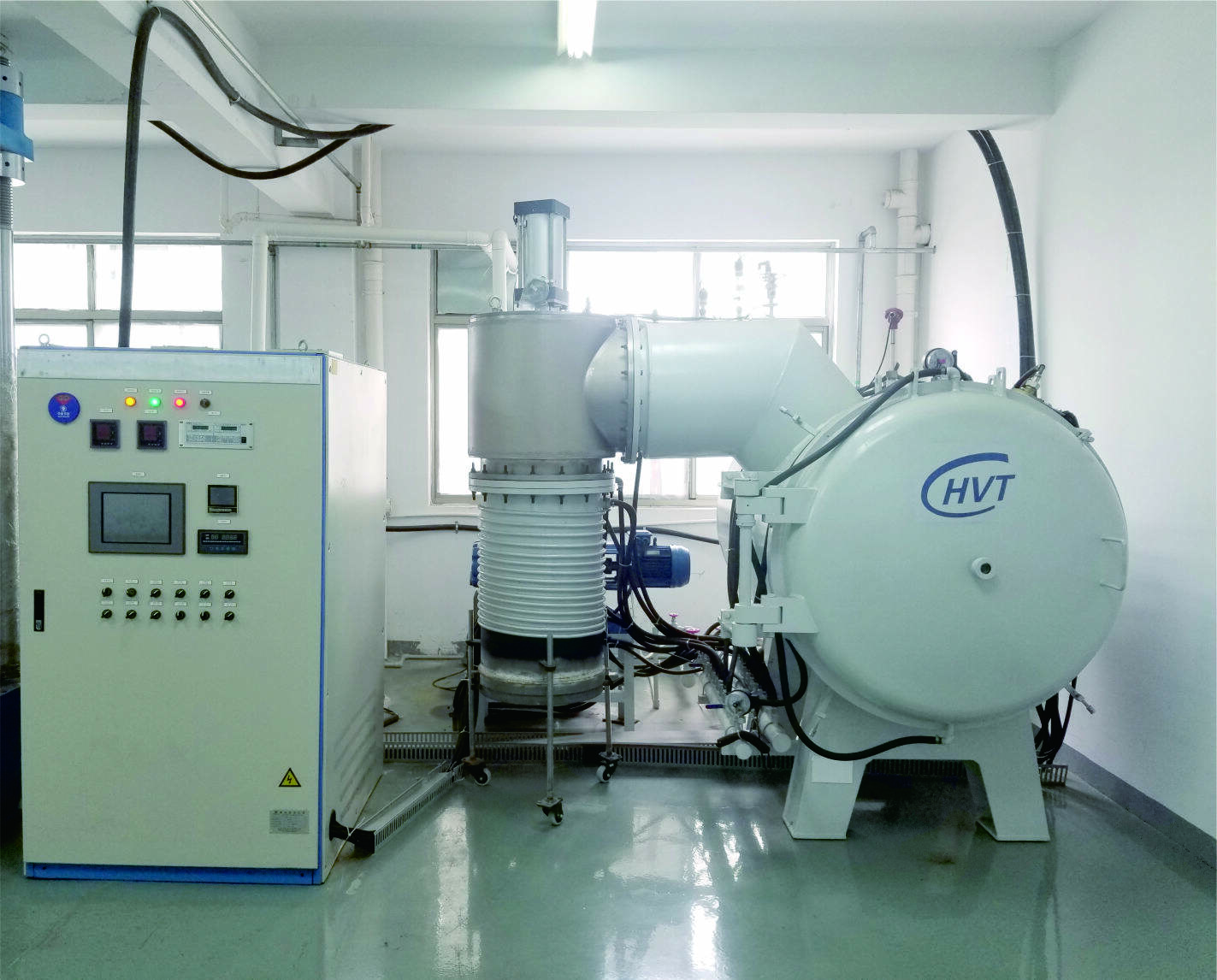
An induction casting furnace represents a cutting-edge solution in metal melting and casting operations. This advanced system utilizes electromagnetic induction to generate precise and controlled heat, making it ideal for melting various metals and alloys. The furnace operates by creating a high-frequency electromagnetic field that induces eddy currents within the metal charge, generating heat directly within the material. This process ensures uniform heating and exceptional temperature control, crucial for producing high-quality castings. The system comprises essential components including a power supply unit, water cooling system, furnace body, and advanced control panel. Modern induction casting furnaces feature sophisticated monitoring systems that provide real-time data on temperature, power consumption, and melting progress. These furnaces can accommodate different crucible sizes and are capable of reaching temperatures up to 2000°C, making them suitable for melting a wide range of materials from aluminum to steel. The technology also incorporates safety features such as emergency shutdown systems and temperature limiters, ensuring safe operation in industrial environments.


Popular Products

Induction casting furnaces offer numerous compelling advantages that make them the preferred choice for modern foundry operations. First, they provide superior energy efficiency compared to traditional fuel-fired furnaces, converting up to 90% of input energy into useful heat. This translates into significant cost savings and reduced environmental impact. The precise temperature control enables operators to maintain optimal melting conditions, resulting in consistent product quality and reduced material waste. The absence of direct combustion means there's no risk of material contamination from fuel residues, ensuring higher purity in the final product. These furnaces also offer rapid heating capabilities, reducing melting time and increasing production efficiency. The clean, electromagnetic heating process creates a safer working environment by eliminating harmful emissions and reducing workplace hazards. Operational flexibility is another key advantage, as these furnaces can be quickly started and stopped, allowing for better production planning and energy management. The compact design requires minimal floor space while maintaining high production capacity. Advanced control systems enable automated operation, reducing labor requirements and human error. The water-cooling system ensures extended equipment life and consistent performance. These furnaces also provide excellent stirring action through electromagnetic forces, resulting in homogeneous melt composition and temperature distribution.

Practical Tips

What Are the Benefits of Using Vacuum Brazing Furnaces in Metal Joining?

27

Aug

What Are the Benefits of Using Vacuum Brazing Furnaces in Metal Joining?

Understanding the Power of Advanced Metal Joining Technologies In today's precision manufacturing landscape, vacuum brazing furnaces represent a revolutionary advancement in metal joining technology. These sophisticated systems have transformed how i...
View More
What Types of Melting Furnaces Are Suitable for Different Metals

21

Oct

What Types of Melting Furnaces Are Suitable for Different Metals

Understanding Industrial Metal Melting Technologies The world of metallurgy revolves around the critical process of melting metals, and selecting the right melting furnaces plays a pivotal role in achieving optimal results. From precious metals to in...
View More
What Are the Key Features of Modern Vacuum Brazing Furnaces

04

Nov

What Are the Key Features of Modern Vacuum Brazing Furnaces

Understanding the Evolution of Advanced Vacuum Brazing Technology The landscape of industrial manufacturing has been transformed by the sophisticated capabilities of vacuum brazing furnaces. These essential pieces of equipment have revolutionized the...
View More
What Are the Common Uses of Vacuum Furnaces in Industry

04

Nov

What Are the Common Uses of Vacuum Furnaces in Industry

Understanding the Critical Role of Vacuum Furnaces in Modern Manufacturing Vacuum furnaces represent a cornerstone technology in modern industrial manufacturing, offering unparalleled precision and control in heat treatment processes. These sophistic...
View More

Get a Free Quote

Our representative will contact you soon.
Email
Name
Company Name
Message
0/1000

induction casting furnace

Advanced Temperature Control System

Advanced Temperature Control System

The induction casting furnace's temperature control system represents a breakthrough in precision melting technology. This sophisticated system employs multiple thermocouples and advanced algorithms to maintain exact temperature specifications throughout the melting process. Operators can program specific temperature profiles for different materials and applications, ensuring optimal results every time. The system provides continuous monitoring with accuracy to within ±2°C, enabling precise control over critical phase transitions and preventing overheating. This level of control is essential for maintaining material properties and achieving consistent quality in the final product. The system also includes rapid response capabilities, adjusting power input in real-time to compensate for temperature fluctuations.
Energy Efficient Design

Energy Efficient Design

The energy efficiency of the induction casting furnace sets new standards in metal melting operations. The system's innovative design minimizes heat loss through strategic insulation placement and optimized coil configuration. Power consumption is automatically adjusted based on the load and desired temperature, ensuring energy is used only when needed. The furnace achieves efficiency rates of up to 90%, significantly higher than conventional melting methods. This translates to reduced operating costs and smaller carbon footprint. The quick heating capability means less energy is wasted during startup and shutdown phases, while the precise power control prevents unnecessary energy consumption during holding periods.
Smart Automation Features

Smart Automation Features

The integration of smart automation features transforms the operation of induction casting furnaces. The system incorporates programmable logic controllers (PLCs) that manage all aspects of the melting process. Operators can create and store multiple recipe programs for different materials and applications, ensuring consistent results across production runs. Real-time monitoring and data logging capabilities provide comprehensive process documentation and quality control. The automation system includes predictive maintenance alerts, helping prevent unexpected downtime and optimize maintenance schedules. Remote monitoring capabilities allow operators to supervise operations from anywhere, while automated safety protocols ensure protection against common operational risks.

Get a Free Quote

Our representative will contact you soon.
Email
Name
Company Name
Message
0/1000