Industrial Induction Metal Furnace: Advanced Heating Solutions for Precision Melting

All Categories

induction metal furnace

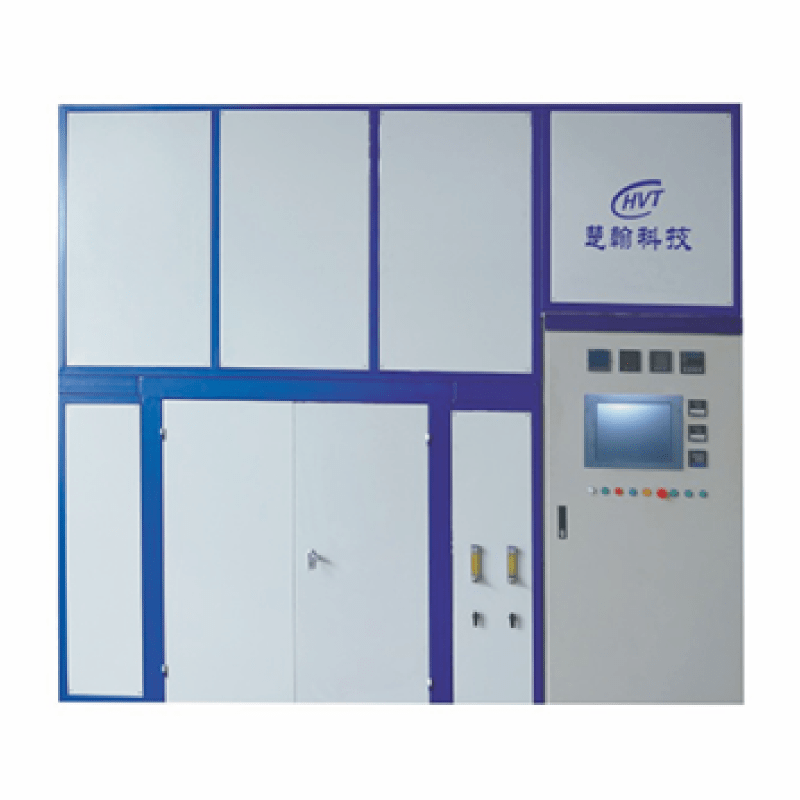
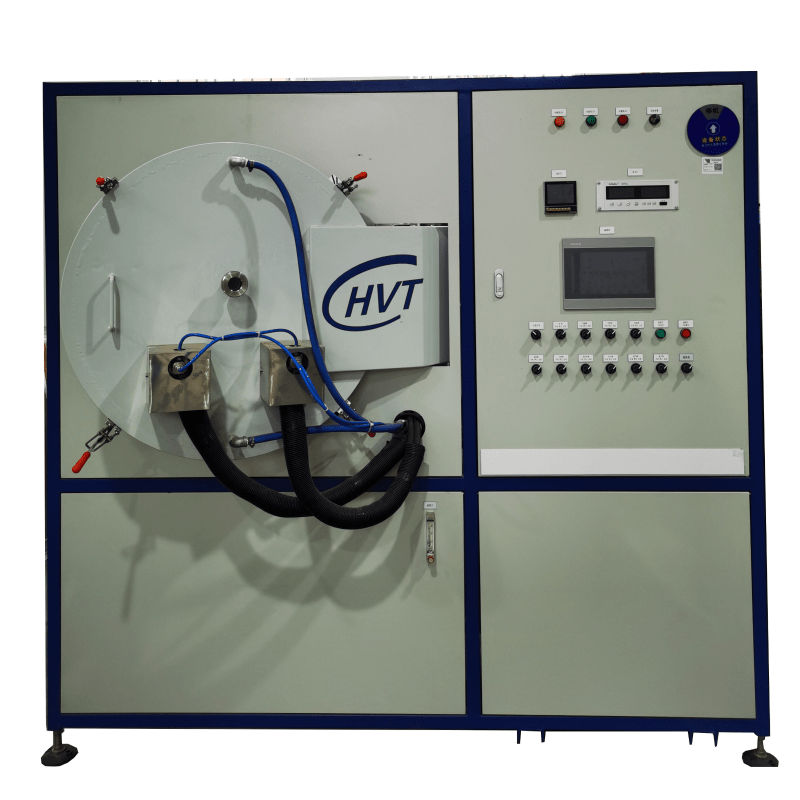
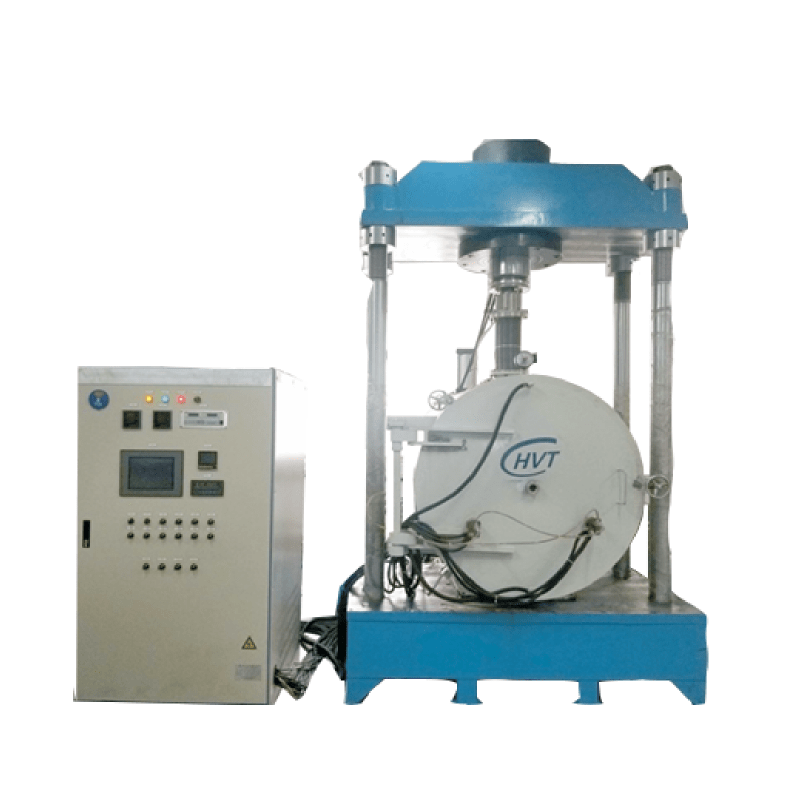
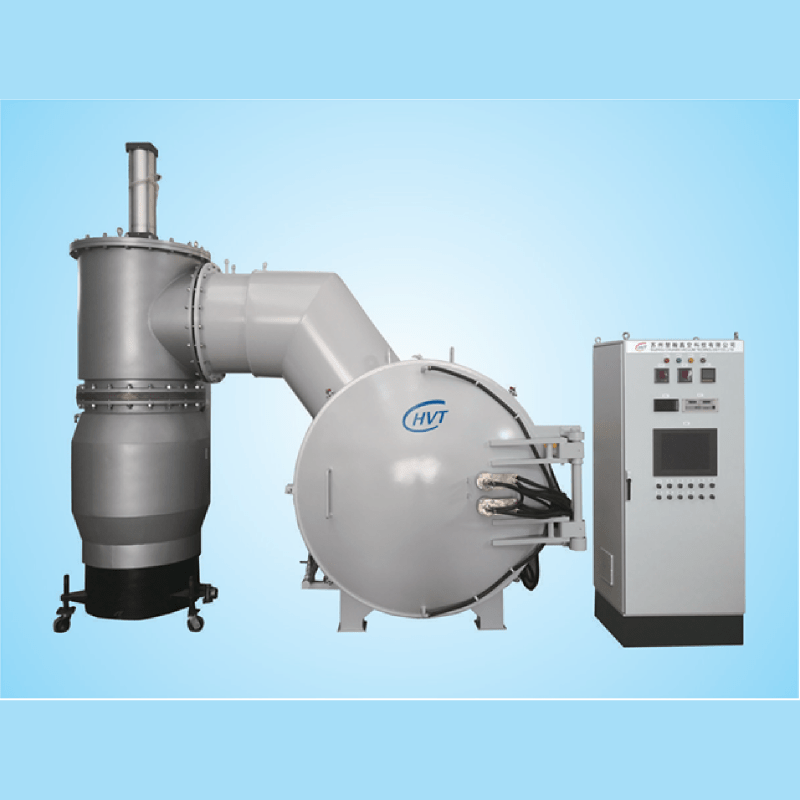
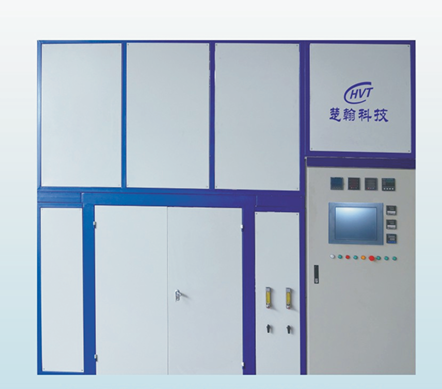
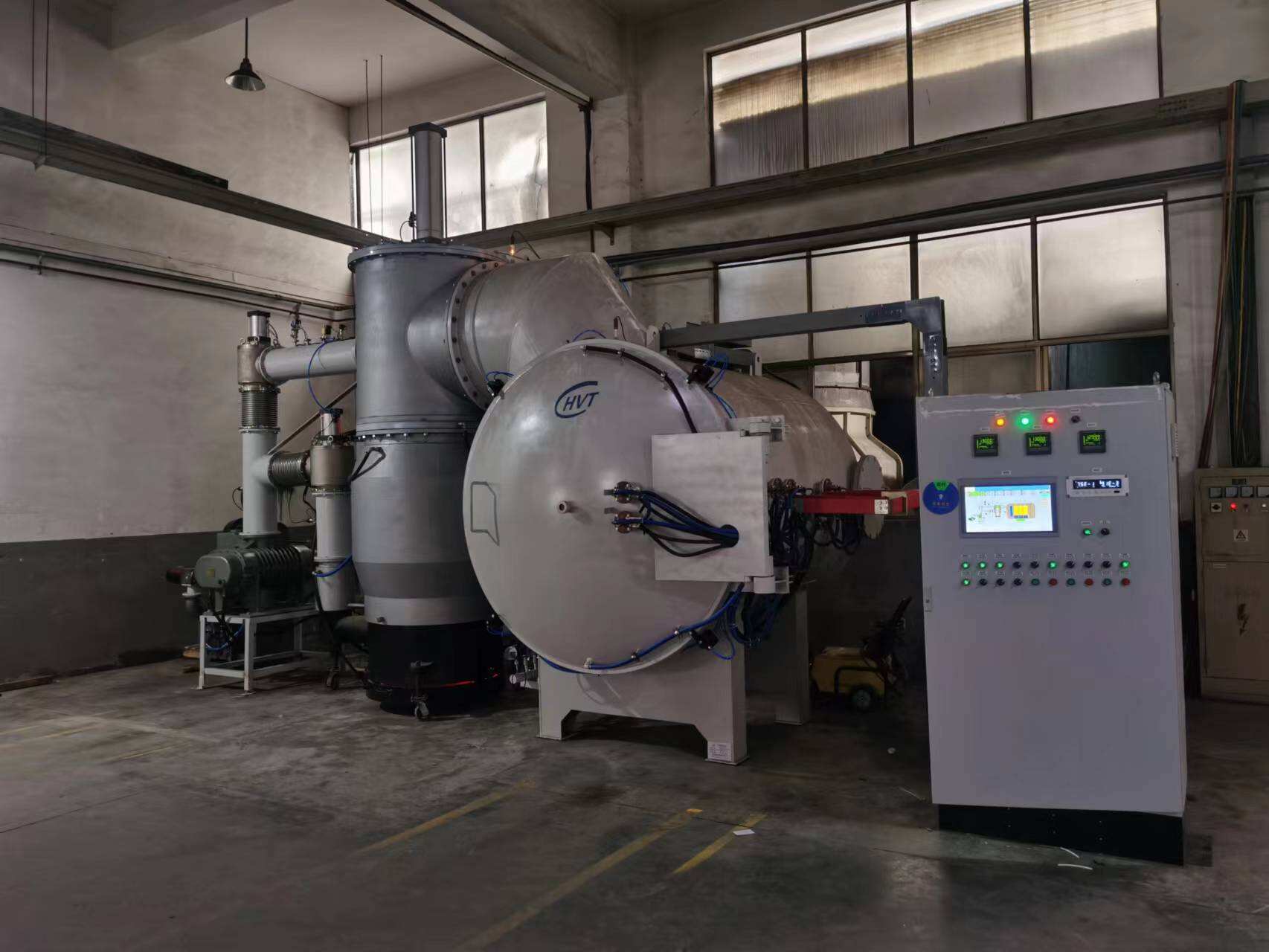
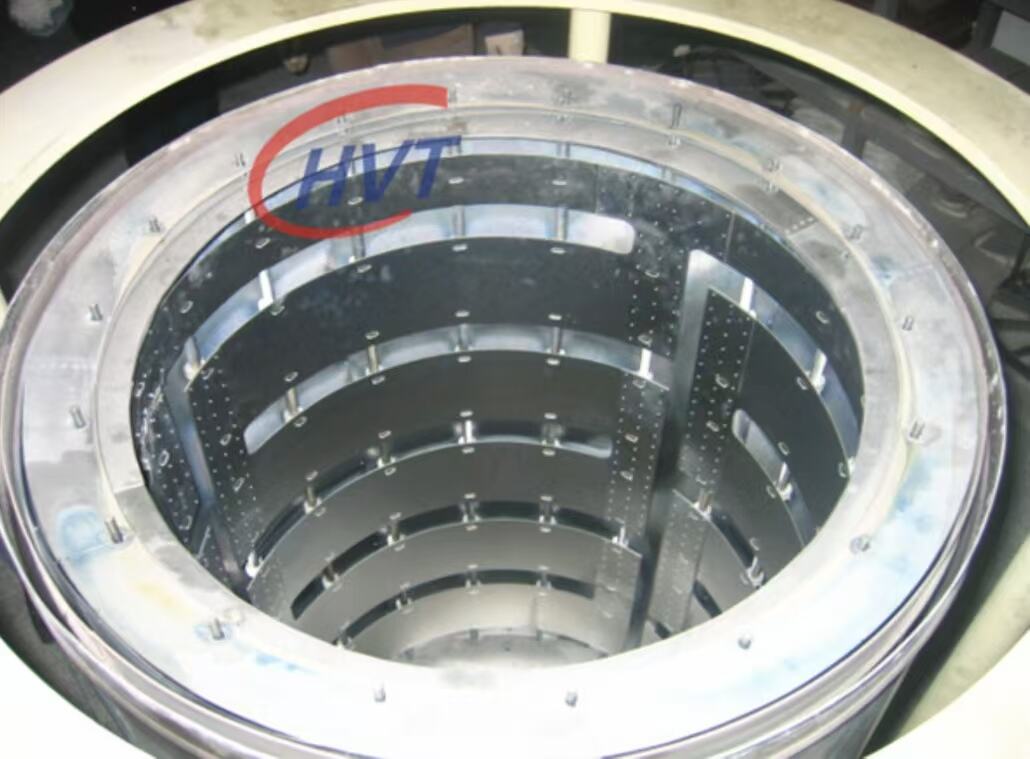
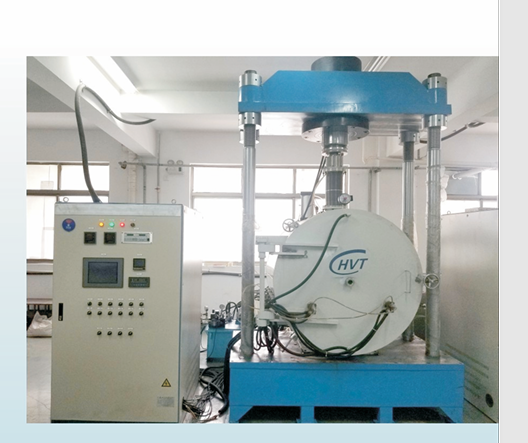
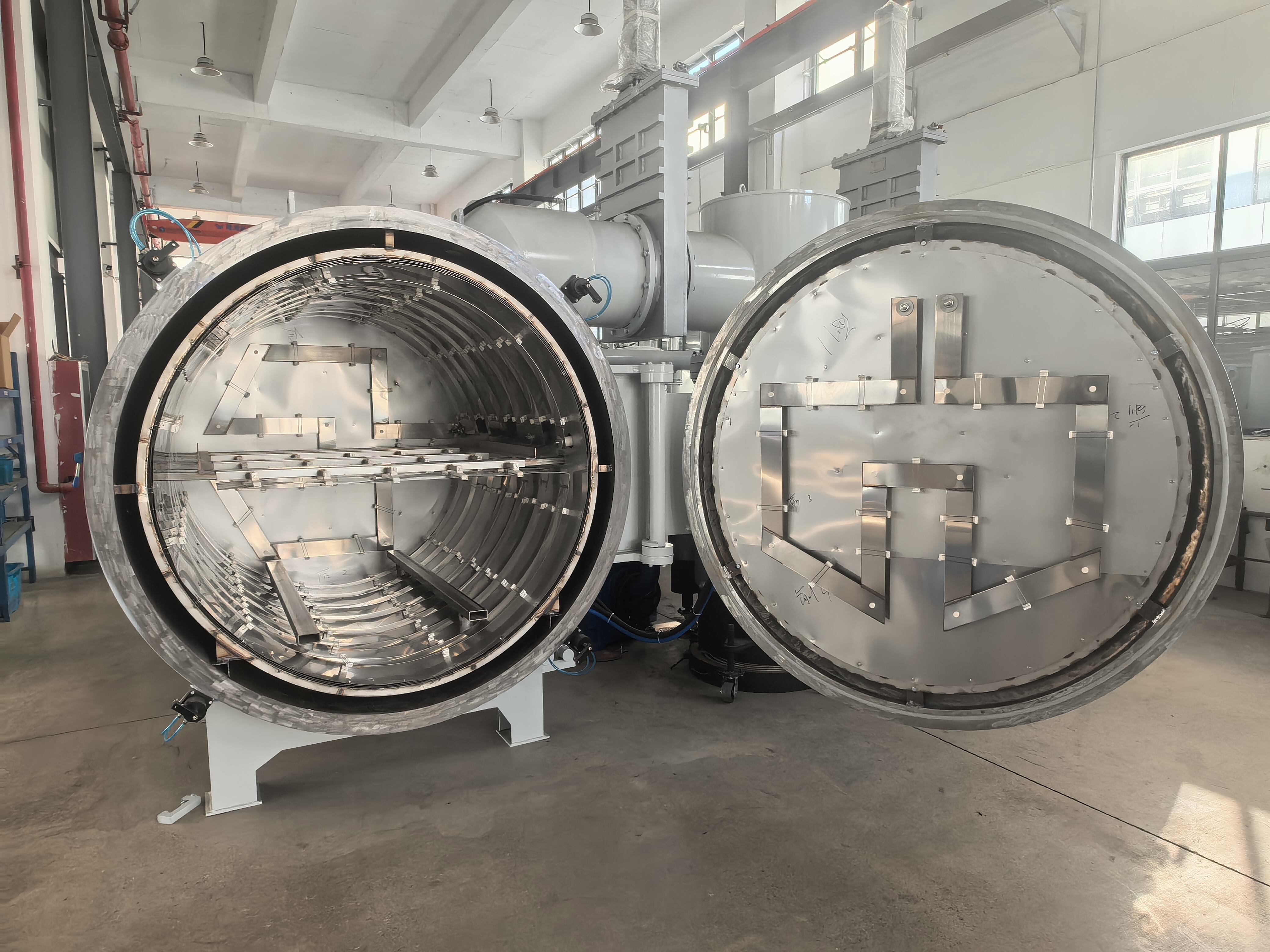
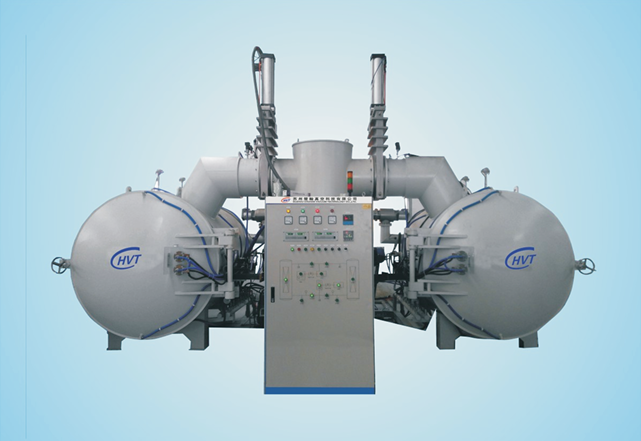
An induction metal furnace represents a cutting-edge solution in metal melting and heating technology. This advanced system utilizes electromagnetic induction to generate heat directly within the metal charge, achieving precise temperature control and exceptional energy efficiency. The furnace operates by passing an alternating current through a copper coil, creating a magnetic field that induces eddy currents in the metal, resulting in rapid and uniform heating. Modern induction furnaces are equipped with sophisticated control systems that enable precise temperature management and monitoring throughout the melting process. These furnaces can handle various metal types, including steel, iron, copper, aluminum, and precious metals, making them versatile tools for diverse industrial applications. The design typically incorporates a water-cooling system to protect the coil and maintain optimal operating conditions. With capacities ranging from small laboratory units to large industrial installations capable of melting several tons of metal, induction furnaces serve multiple sectors, including foundries, metal recycling facilities, and manufacturing plants. The technology's ability to provide clean, contamination-free melting while maintaining precise metallurgical control has made it an indispensable tool in modern metalworking operations.

New Products

The induction metal furnace offers numerous compelling advantages that make it a superior choice for metal melting operations. First and foremost, its energy efficiency stands out, as the heat is generated directly within the metal itself, minimizing energy losses and reducing operating costs significantly. The precise temperature control ensures consistent product quality and helps prevent material waste. Unlike traditional fuel-fired furnaces, induction furnaces create a clean working environment with no combustion products or emissions, contributing to better workplace safety and environmental compliance. The rapid heating capability increases productivity by reducing melting times, while the uniform heating process ensures homogeneous material properties in the final product. Maintenance requirements are relatively low compared to conventional furnaces, as there are no burners or combustion systems to maintain. The compact design of induction furnaces makes them ideal for facilities with space constraints, and their automated control systems reduce the need for constant operator intervention. The absence of direct contact between the heat source and the metal prevents contamination, ensuring higher purity in the melted materials. These furnaces also offer exceptional flexibility in operation, allowing quick starts and stops without significant thermal cycling losses. The precise power control enables operators to adjust the heating rate according to specific process requirements, making it suitable for both batch and continuous operations. Additionally, the technology's ability to handle different metal types with minimal setup changes increases operational versatility and reduces downtime between production runs.

Practical Tips

How to Select a Metal Furnace for Precise Temperature Control?

08

Jul

How to Select a Metal Furnace for Precise Temperature Control?

Understanding Temperature Control Fundamentals for Metal Furnaces Why Precision Matters in Metallurgical Processes Getting temperature control right matters a lot in metalworking because it changes how metals look at the microscopic level and what ...
View More
What Are the Benefits of Using Vacuum Brazing Furnaces in Metal Joining?

27

Aug

What Are the Benefits of Using Vacuum Brazing Furnaces in Metal Joining?

Understanding the Power of Advanced Metal Joining Technologies In today's precision manufacturing landscape, vacuum brazing furnaces represent a revolutionary advancement in metal joining technology. These sophisticated systems have transformed how i...
View More
How to Choose the Right Heat Shield Material for Your Needs?

27

Aug

How to Choose the Right Heat Shield Material for Your Needs?

Understanding Heat Shield Materials and Their Critical Applications Heat shield materials play a vital role in protecting various components and systems from extreme temperatures across multiple industries. From aerospace applications to industrial f...
View More
What Are the Key Features of Modern Vacuum Brazing Furnaces

04

Nov

What Are the Key Features of Modern Vacuum Brazing Furnaces

Understanding the Evolution of Advanced Vacuum Brazing Technology The landscape of industrial manufacturing has been transformed by the sophisticated capabilities of vacuum brazing furnaces. These essential pieces of equipment have revolutionized the...
View More

Get a Free Quote

Our representative will contact you soon.
Email
Name
Company Name
Message
0/1000

induction metal furnace

Superior Energy Efficiency and Cost Savings

Superior Energy Efficiency and Cost Savings

The induction metal furnace's remarkable energy efficiency sets it apart in the metal melting industry. By generating heat directly within the metal through electromagnetic induction, the system achieves efficiency rates of up to 90%, significantly higher than traditional fuel-based furnaces. This direct heating method eliminates the heat losses associated with conventional heating methods, where much of the energy is lost to the surrounding environment. The precise power control allows operators to optimize energy consumption based on specific melting requirements, leading to substantial cost savings in energy bills. Additionally, the rapid heating capability reduces processing time, further contributing to operational efficiency. The system's ability to reach and maintain exact temperatures minimizes overheating and reduces material waste, providing additional cost benefits. Modern induction furnaces also incorporate smart power management systems that automatically adjust power consumption based on load conditions, ensuring optimal energy utilization throughout the melting cycle.
Advanced Temperature Control and Product Quality

Advanced Temperature Control and Product Quality

The induction metal furnace excels in maintaining precise temperature control throughout the melting process, directly impacting product quality and consistency. The system's sophisticated control mechanisms allow operators to set and maintain exact temperatures with minimal variation, crucial for achieving specific material properties. The uniform heating pattern ensures that all parts of the metal charge reach the desired temperature simultaneously, eliminating hot spots and cold zones that can affect material quality. This precise control is particularly valuable when working with temperature-sensitive alloys or when specific metallurgical properties must be achieved. The furnace's ability to make rapid temperature adjustments also enables precise control over heating rates, cooling cycles, and holding temperatures, essential for complex metallurgical processes. The advanced monitoring systems provide real-time temperature data and process parameters, allowing for immediate adjustments and quality control documentation.
Environmental Safety and Workplace Benefits

Environmental Safety and Workplace Benefits

The induction metal furnace represents a significant advancement in environmental safety and workplace conditions within the metal melting industry. Unlike traditional combustion-based furnaces, induction systems produce no direct emissions, smoke, or hazardous gases, creating a cleaner and safer working environment. The absence of fuel combustion eliminates the risks associated with fuel handling and storage, reducing potential safety hazards. The system's enclosed design minimizes heat radiation to the surrounding area, creating more comfortable working conditions for operators. Modern induction furnaces are equipped with advanced safety features, including automatic shutdown systems and cooling water flow monitors, ensuring safe operation. The reduced noise levels compared to conventional furnaces contribute to a better working environment, while the absence of open flames or hot surfaces reduces the risk of workplace accidents. The technology's clean operation also helps facilities comply with increasingly stringent environmental regulations without requiring additional emission control equipment.

Get a Free Quote

Our representative will contact you soon.
Email
Name
Company Name
Message
0/1000