High-Efficiency Induction Metal Melting Systems: Advanced Temperature Control and Eco-Friendly Processing Solutions

All Categories

induction metal melting

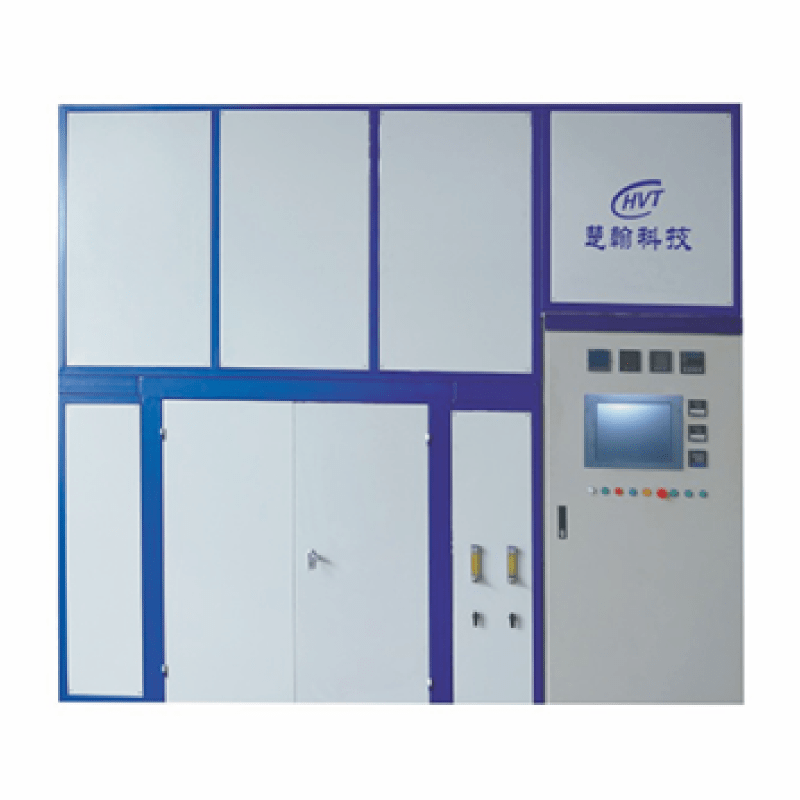
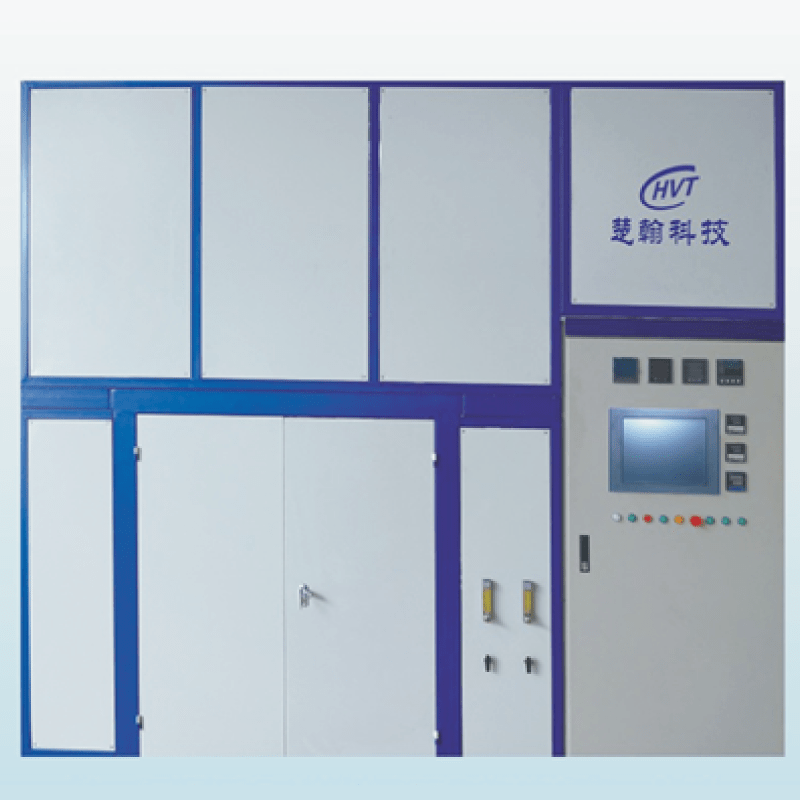
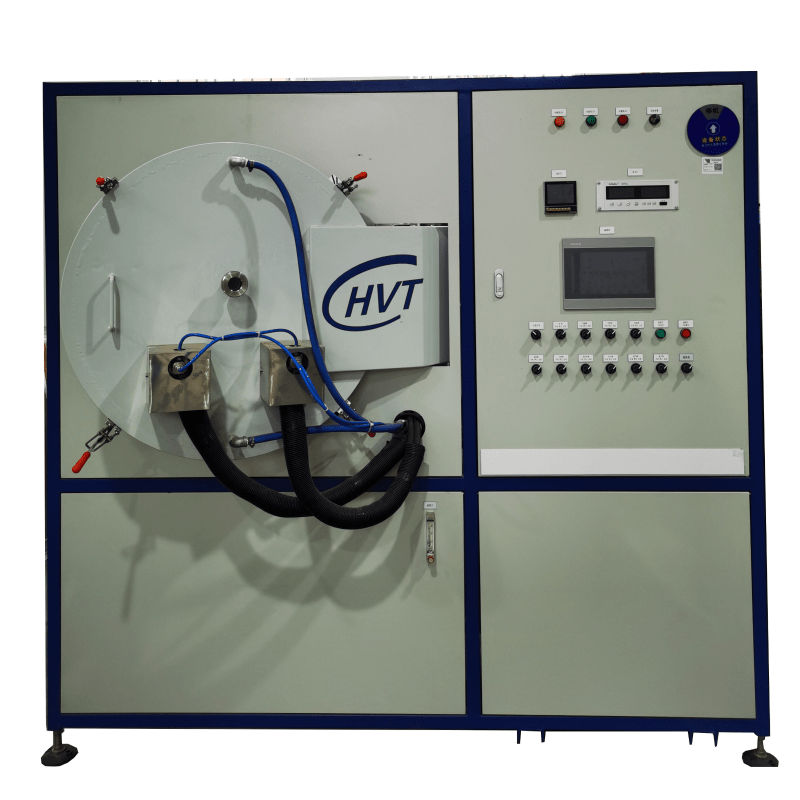
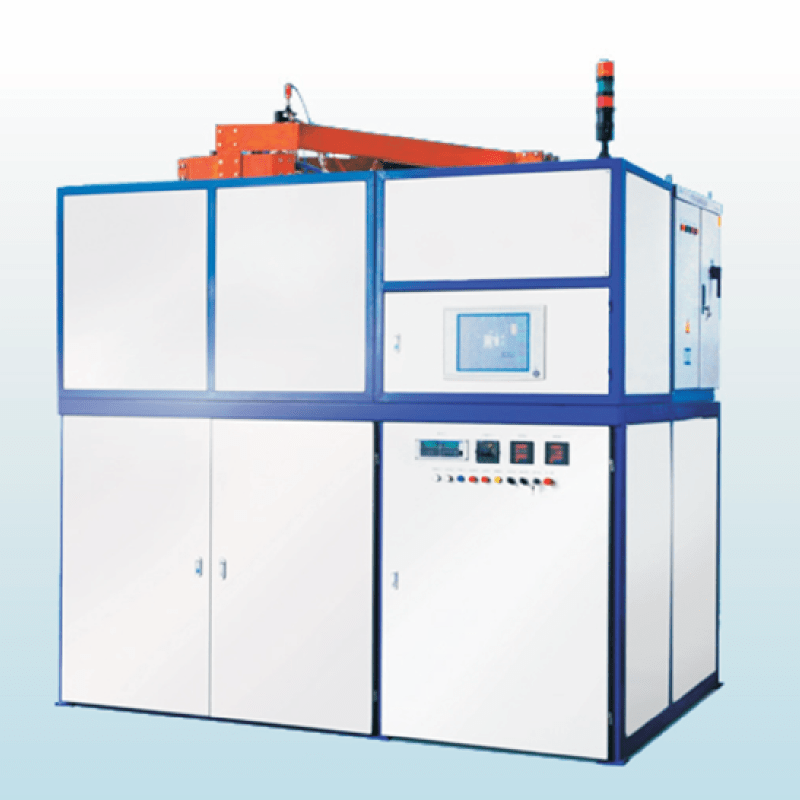
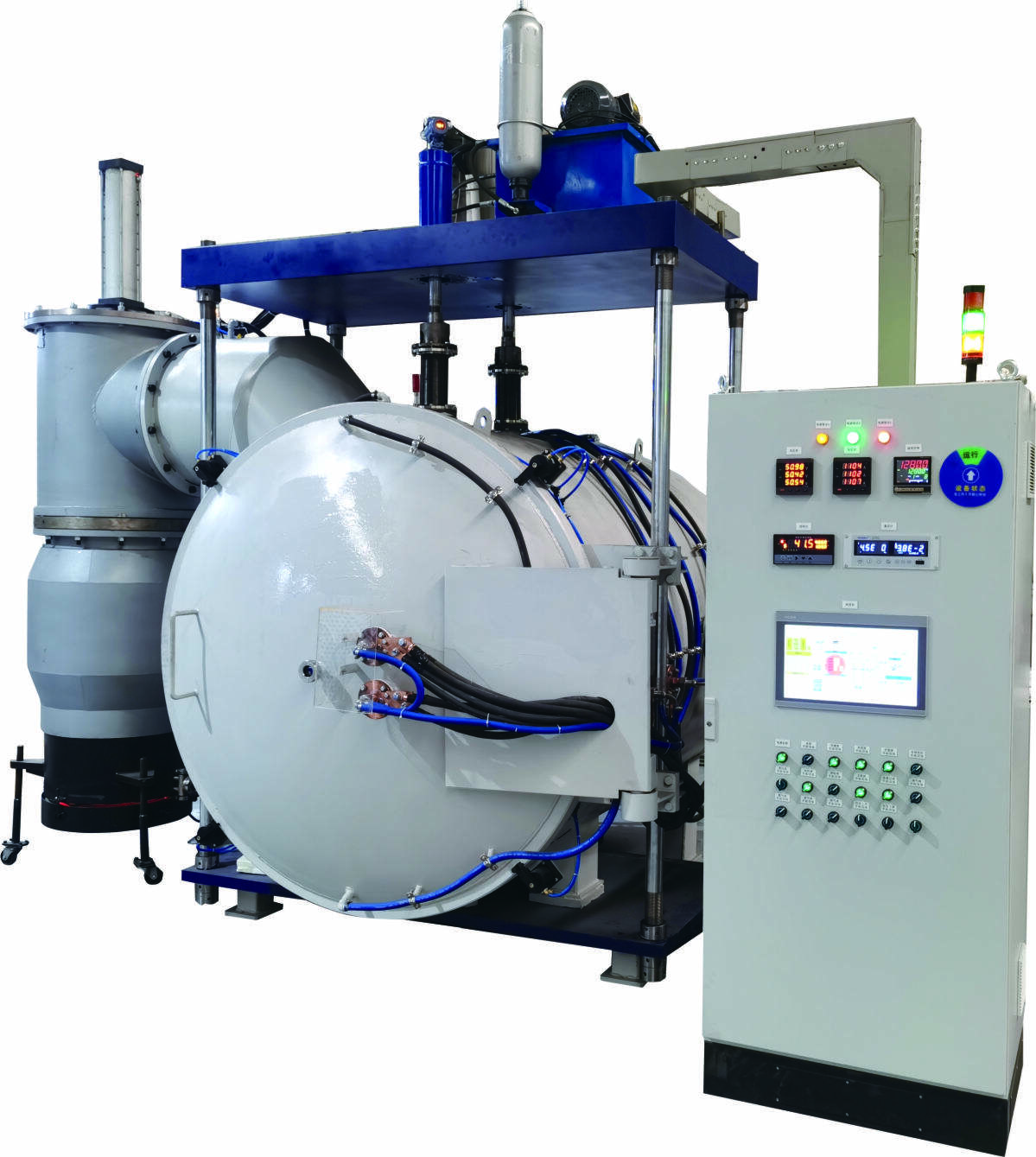
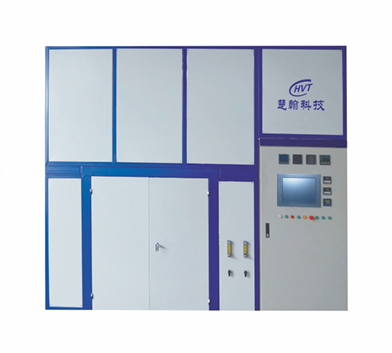
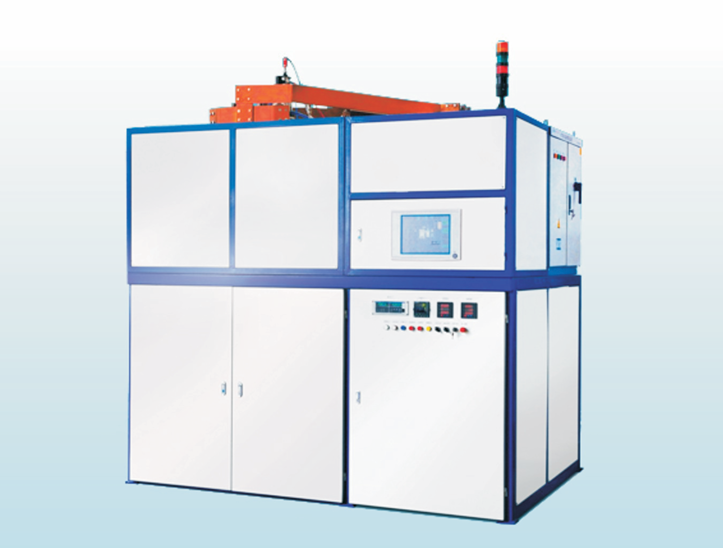
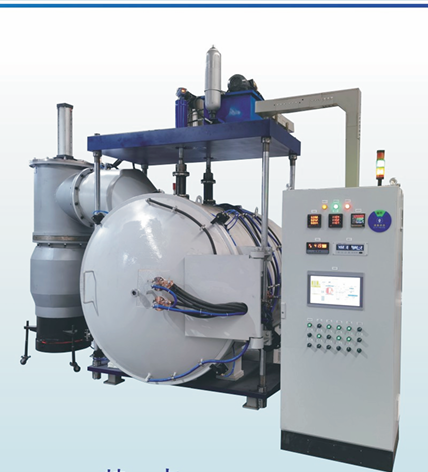
Induction metal melting is a sophisticated heating process that uses electromagnetic fields to generate heat directly within metallic materials. This advanced technology operates on the principle of electromagnetic induction, where alternating current flowing through a coil creates a magnetic field that induces eddy currents in the metal, resulting in rapid and efficient heating. The process offers precise temperature control and can achieve temperatures up to 3000°C, making it ideal for melting various metals and alloys. The system consists of an induction coil, power supply unit, cooling system, and control panel. Unlike traditional heating methods, induction melting provides contactless heating, ensuring minimal contamination and superior metal purity. The technology finds extensive applications across multiple industries, including foundries, metal recycling facilities, precious metal processing, and research laboratories. Its ability to melt metals quickly while maintaining precise temperature control makes it particularly valuable in manufacturing processes requiring high-quality metal components. The system's versatility allows it to handle different batch sizes and various metal types, from steel and copper to precious metals like gold and platinum, making it an essential tool in modern metallurgical operations.


Popular Products

Induction metal melting offers numerous compelling advantages that set it apart from conventional melting methods. First and foremost, its energy efficiency stands out as a major benefit, with up to 80% of the electrical energy being converted into useful heat, resulting in significantly lower operating costs. The process provides exceptional temperature control accuracy, typically within ±2°C, enabling consistent and reliable results in metal processing. The rapid heating capability reduces processing time considerably, with most metals reaching melting point in minutes rather than hours. Safety is another crucial advantage, as the system operates without open flames or combustible fuels, reducing workplace hazards and improving working conditions. The technology's clean operation produces minimal emissions and reduces environmental impact, helping companies meet stringent environmental regulations. The absence of direct contact between the heating element and metal ensures superior metal purity and reduces material waste. Maintenance requirements are relatively low, with most systems requiring only routine cooling system checks and coil maintenance. The process offers excellent repeatability and automation potential, leading to increased productivity and reduced labor costs. The compact design of modern induction melting systems requires less floor space compared to traditional furnaces, making it ideal for facilities with space constraints. Additionally, the precise power control allows for flexible operation, easily adapting to different batch sizes and metal types, while the quick start-up and shutdown capabilities contribute to improved production efficiency and reduced energy consumption during idle periods.

Practical Tips

How to Select a Metal Furnace for Precise Temperature Control?

08

Jul

How to Select a Metal Furnace for Precise Temperature Control?

Understanding Temperature Control Fundamentals for Metal Furnaces Why Precision Matters in Metallurgical Processes Getting temperature control right matters a lot in metalworking because it changes how metals look at the microscopic level and what ...
View More
What Are the Main Advantages of Vacuum Furnaces in Heat Treatment?

27

Aug

What Are the Main Advantages of Vacuum Furnaces in Heat Treatment?

Understanding the Revolutionary Impact of Vacuum Heat Treatment Technology The industrial landscape of heat treatment has been transformed by the advent of vacuum furnaces, marking a significant leap forward in metallurgical processing. These sophist...
View More
How to Maintain Metal Furnaces for Longevity and Safety

21

Oct

How to Maintain Metal Furnaces for Longevity and Safety

Essential Guidelines for Industrial Metal Furnace Care Metal furnace maintenance stands at the heart of any successful industrial operation. Whether you're running a small foundry or managing a large-scale manufacturing facility, the proper upkeep of...
View More
What Are the Common Uses of Vacuum Furnaces in Industry

04

Nov

What Are the Common Uses of Vacuum Furnaces in Industry

Understanding the Critical Role of Vacuum Furnaces in Modern Manufacturing Vacuum furnaces represent a cornerstone technology in modern industrial manufacturing, offering unparalleled precision and control in heat treatment processes. These sophistic...
View More

Get a Free Quote

Our representative will contact you soon.
Email
Name
Company Name
Message
0/1000

induction metal melting

Superior Temperature Control and Uniformity

Superior Temperature Control and Uniformity

The induction metal melting system excels in delivering precise temperature control and exceptional heating uniformity throughout the metal charge. Advanced power control systems enable operators to maintain temperatures within extremely tight tolerances, typically within ±2°C of the target temperature. This precise control is achieved through sophisticated feedback mechanisms that continuously monitor and adjust the power input based on real-time temperature measurements. The electromagnetic stirring effect inherent to the induction process ensures uniform heat distribution throughout the metal, eliminating hot spots and cold zones that can affect metal quality. This uniformity is particularly crucial when working with alloys, as it helps maintain consistent composition and prevents segregation of elements during the melting process. The system's ability to provide such precise control translates into higher quality finished products, reduced material waste, and improved process reliability.
Energy Efficiency and Cost Effectiveness

Energy Efficiency and Cost Effectiveness

The induction metal melting process demonstrates remarkable energy efficiency, converting up to 80% of input power directly into useful heat within the metal. This high efficiency is achieved through direct heating of the material, eliminating heat losses associated with traditional combustion-based methods. The system's rapid heating capability significantly reduces processing time, leading to lower energy consumption per batch. The quick heat-up and cool-down cycles enable flexible operation and minimize energy waste during production changes. Modern induction systems incorporate power factor correction and advanced power management features that optimize electricity usage and reduce utility costs. The combination of high energy efficiency, reduced processing time, and minimal heat losses results in substantial cost savings over traditional melting methods, making it a financially attractive option for metal processing operations.
Environmentally Friendly Operation

Environmentally Friendly Operation

Induction metal melting represents a clean, environmentally conscious approach to metal processing. The system operates without direct combustion, eliminating the emission of greenhouse gases and other harmful pollutants associated with fossil fuel-based melting methods. The absence of fuel burning also means no atmospheric contamination of the metal, resulting in higher purity end products. The process generates minimal waste and features closed-loop cooling systems that conserve water resources. The technology's high energy efficiency contributes to reduced carbon footprint, helping companies meet environmental sustainability goals. Modern induction systems often incorporate advanced filtration and dust collection systems, further minimizing environmental impact. The clean operation also creates a healthier workplace environment, with reduced exposure to harmful emissions and improved air quality for operators.

Get a Free Quote

Our representative will contact you soon.
Email
Name
Company Name
Message
0/1000