
 EN
EN
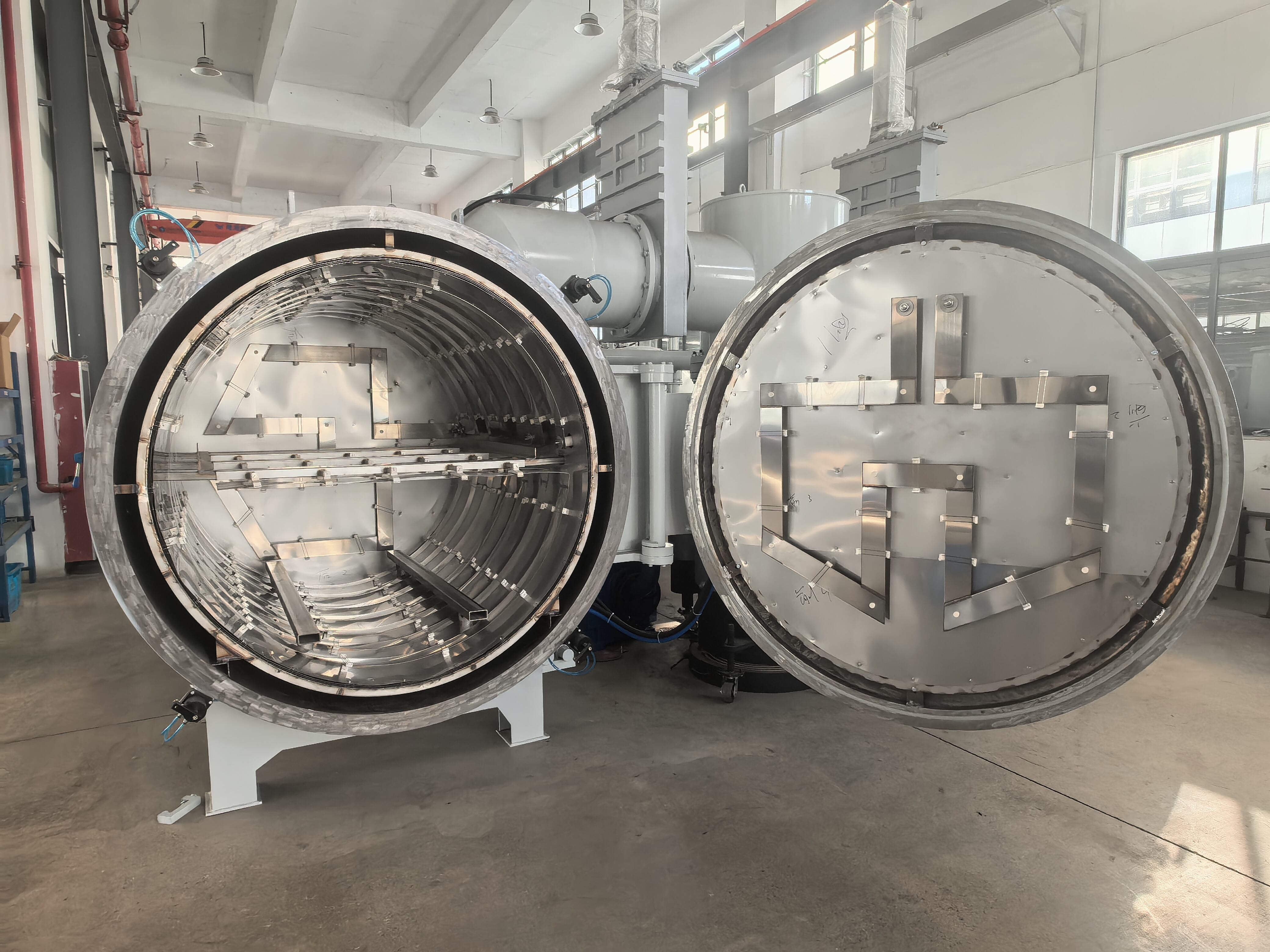
Selecting the right metal furnace for industrial applications requires careful consideration of multiple technical factors that directly impact production efficiency, product quality, and operational costs. Industrial metal processing operations depend heavily on furnace performance to achieve precise temperature control, uniform heating, and consistent metallurgical results. The choice between different furnace types, heating technologies, and capacity specifications can significantly influence your facility's productivity and long-term profitability. Understanding the fundamental principles of metal furnace selection ensures optimal equipment investment decisions that align with specific manufacturing requirements and operational objectives.
Understanding Metal Furnace Types and Applications
Electric Resistance Furnaces for Precision Control
Electric resistance furnaces represent one of the most versatile metal furnace categories for industrial heat treatment applications. These systems utilize electrical heating elements to generate controlled thermal energy, offering exceptional temperature uniformity and precise atmospheric control. Electric metal furnace designs excel in applications requiring clean heating environments, such as aerospace component processing, medical device manufacturing, and high-precision tooling operations. The absence of combustion gases ensures contamination-free processing, making electric furnaces ideal for critical metallurgical treatments where surface quality is paramount.
Temperature capabilities of electric metal furnace systems typically range from 200°C to 1800°C, depending on heating element materials and insulation specifications. Advanced electric furnace designs incorporate sophisticated control systems that maintain temperature variations within ±2°C, ensuring consistent metallurgical transformations across entire workload batches. These precise control characteristics make electric furnaces particularly suitable for heat treating specialty alloys, performing stress relief operations, and executing complex thermal cycling processes.
Induction Furnaces for Rapid Heating Efficiency
Induction heating technology offers superior energy efficiency and rapid heating capabilities for specific metal furnace applications. Induction systems generate electromagnetic fields that induce electrical currents directly within metallic workpieces, resulting in extremely fast heating rates and excellent energy transfer efficiency. This metal furnace technology proves especially effective for hardening operations, brazing processes, and selective heating applications where precise localized heating is required.
Industrial induction metal furnace systems achieve heating rates significantly faster than conventional resistance heating methods, reducing cycle times and increasing production throughput. The rapid heating characteristics minimize oxidation and decarburization effects, preserving surface integrity and reducing secondary finishing requirements. Induction furnaces demonstrate particular advantages in high-volume production environments where cycle time optimization directly impacts manufacturing costs and delivery schedules.
Critical Temperature and Atmosphere Requirements
Maximum Operating Temperature Specifications
Determining appropriate maximum operating temperature represents a fundamental consideration in metal furnace selection processes. Different metallurgical treatments require specific temperature ranges to achieve desired microstructural changes and mechanical properties. Annealing operations typically require temperatures between 600°C to 900°C, while hardening processes may demand temperatures exceeding 1200°C. Understanding your specific temperature requirements ensures proper metal furnace sizing and heating element selection for optimal performance and longevity.
Ultra-high temperature applications, such as refractory metal processing or advanced ceramic treatments, necessitate specialized metal furnace designs capable of sustained operation above 1500°C. These extreme temperature requirements demand advanced heating technologies, specialized refractory materials, and robust insulation systems to maintain thermal efficiency while ensuring operator safety and equipment reliability.
Controlled Atmosphere Processing Capabilities
Atmospheric control capabilities significantly influence metal furnace selection decisions for applications requiring specific processing environments. Vacuum furnaces eliminate oxidation concerns while enabling precise control of carbon potential during heat treatment cycles. Protective atmosphere furnaces utilize inert gases or reducing atmospheres to prevent oxidation while maintaining controlled chemical environments for specific metallurgical transformations.
Advanced metal furnace systems incorporate sophisticated atmosphere monitoring and control equipment that maintains precise gas compositions throughout processing cycles. These capabilities ensure consistent results while minimizing material waste and reducing post-processing cleaning requirements. Proper atmosphere control extends beyond simple oxidation prevention to include precise management of surface chemistry modifications and controlled diffusion processes.
Capacity and Loading Configuration Analysis
Workload Volume and Weight Considerations
Proper capacity sizing ensures efficient metal furnace utilization while accommodating production volume requirements and part geometry constraints. Undersized furnaces create production bottlenecks and increase per-unit processing costs, while oversized equipment wastes energy and increases capital investment unnecessarily. Careful analysis of typical batch sizes, part dimensions, and loading configurations helps determine optimal furnace chamber dimensions and weight handling capabilities.
Industrial metal furnace loading systems must accommodate various part geometries while ensuring adequate air circulation and temperature uniformity throughout the chamber. Consideration of fixturing requirements, part spacing needs, and loading accessibility influences chamber configuration decisions and material handling system specifications. Proper loading design maximizes productive furnace volume utilization while maintaining consistent processing results across all workpiece positions.
Material Handling and Automation Integration
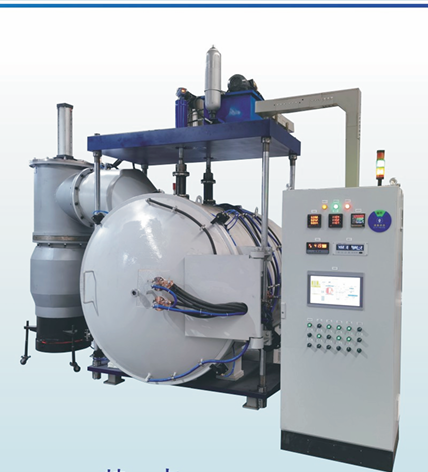
Modern metal furnace installations increasingly incorporate automated material handling systems to improve productivity, reduce labor costs, and enhance process consistency. Automated loading systems eliminate manual handling risks while ensuring precise part positioning and consistent cycle timing. Integration capabilities with existing production equipment and quality management systems influence furnace selection decisions and installation planning requirements.
Advanced metal furnace automation includes programmable recipe management, real-time process monitoring, and automatic data logging capabilities. These features enable consistent process execution while providing comprehensive documentation for quality assurance and regulatory compliance requirements. Proper automation integration reduces operator dependency while improving overall manufacturing efficiency and product quality consistency.
Energy Efficiency and Operating Cost Considerations
Power Consumption and Utility Requirements
Energy consumption represents a significant portion of total metal furnace operating costs, making efficiency analysis crucial for equipment selection decisions. Modern furnace designs incorporate advanced insulation materials, heat recovery systems, and optimized heating element configurations to minimize energy waste. Understanding your facility's utility costs and demand charge structures helps evaluate the long-term economic impact of different furnace technologies and efficiency levels.
Electrical demand requirements influence facility infrastructure needs and utility connection costs for metal furnace installations. High-power furnace systems may require electrical service upgrades, transformer installations, and power factor correction equipment. Proper utility planning ensures adequate electrical capacity while minimizing demand charges and power quality issues that could affect other facility equipment operations.
Maintenance Requirements and Service Accessibility
Routine maintenance requirements significantly impact metal furnace total cost of ownership and production availability. Well-designed furnace systems provide easy access to heating elements, control components, and wear items to minimize maintenance downtime and service costs. Understanding typical maintenance schedules, replacement part availability, and service support capabilities helps evaluate long-term ownership costs beyond initial capital investment.
Predictive maintenance capabilities in modern metal furnace systems utilize sensors and monitoring equipment to identify potential issues before they cause production disruptions. These advanced diagnostic systems track heating element performance, insulation condition, and control system status to optimize maintenance scheduling and prevent unexpected failures. Proper maintenance planning extends equipment life while maintaining consistent performance and product quality standards.
Safety Standards and Regulatory Compliance
Industrial Safety Requirements and Certifications
Safety considerations play a critical role in metal furnace selection and installation planning. Industrial furnace systems must comply with relevant safety standards including NFPA requirements, OSHA regulations, and local building codes. Proper safety system design includes emergency shutdown capabilities, ventilation requirements, and personnel protection measures. Understanding applicable safety standards ensures compliant installations while protecting personnel and facility assets.
Modern metal furnace safety systems incorporate multiple layers of protection including temperature monitoring, atmosphere detection, and automatic shutdown capabilities. These integrated safety features prevent equipment damage while protecting personnel from thermal hazards, toxic atmospheres, and electrical dangers. Comprehensive safety planning addresses both normal operating conditions and emergency response procedures for various potential failure modes.
Environmental Compliance and Emissions Control
Environmental regulations increasingly influence metal furnace selection decisions, particularly for installations in regulated industrial zones. Emissions control requirements may dictate specific furnace technologies, exhaust treatment systems, and monitoring equipment installations. Understanding local environmental regulations helps ensure compliant operations while avoiding costly retrofits or operational restrictions.
Advanced metal furnace designs incorporate features that minimize environmental impact while maintaining processing efficiency. These eco-friendly features include improved combustion efficiency, heat recovery systems, and advanced exhaust treatment capabilities. Proper environmental planning addresses both regulatory compliance and corporate sustainability objectives while maintaining competitive manufacturing costs.
Vendor Selection and Technical Support
Manufacturing Quality and Industry Experience
Selecting established metal furnace manufacturers with proven industrial experience ensures reliable equipment performance and comprehensive technical support. Experienced manufacturers understand specific industry requirements and can provide valuable application guidance throughout the selection and installation process. Evaluating manufacturer track records, customer references, and industry certifications helps identify suppliers capable of delivering reliable, high-performance furnace systems.
Quality manufacturing practices directly influence metal furnace reliability, performance consistency, and service life. Reputable manufacturers utilize certified materials, proven design practices, and comprehensive testing procedures to ensure equipment meets specified performance requirements. Understanding manufacturing quality standards and certification processes helps evaluate different supplier options and ensure reliable long-term equipment performance.
Installation Services and Ongoing Technical Support
Comprehensive installation and commissioning services ensure proper metal furnace setup and optimal initial performance. Experienced installation teams understand utility connections, safety requirements, and startup procedures necessary for successful furnace commissioning. Professional installation services minimize startup delays while ensuring proper system integration and performance verification.
Ongoing technical support availability influences metal furnace selection decisions, particularly for complex or specialized applications. Comprehensive support services include application assistance, troubleshooting guidance, and replacement part availability. Understanding support capabilities and response times helps ensure continued production efficiency while minimizing potential downtime costs associated with equipment issues or operator questions.
FAQ
What factors determine the optimal metal furnace size for my application
Optimal metal furnace sizing depends on your typical batch sizes, part geometries, production volume requirements, and energy efficiency considerations. Consider both current needs and anticipated growth when evaluating chamber dimensions and capacity specifications. Proper sizing balances productivity requirements with energy efficiency to minimize total operating costs while meeting production schedules.
How do I determine the appropriate temperature range for my metal furnace
Required temperature range depends on your specific metallurgical treatments and material specifications. Analyze your heat treatment recipes, material requirements, and quality standards to determine necessary temperature capabilities. Consider both maximum operating temperatures and temperature uniformity requirements to ensure consistent processing results across your entire product range.
What are the key differences between electric and gas-fired metal furnaces
Electric metal furnaces offer superior temperature control, clean heating environments, and precise atmosphere control capabilities. Gas-fired systems typically provide lower operating costs for high-temperature applications and faster heating rates for large thermal masses. Your choice should consider energy costs, temperature requirements, atmosphere needs, and environmental regulations in your specific application.
How important is atmosphere control in metal furnace selection
Atmosphere control capabilities are critical for applications requiring specific surface chemistry, oxidation prevention, or controlled chemical reactions. Vacuum and controlled atmosphere metal furnace systems prevent contamination while enabling precise metallurgical control. Evaluate your quality requirements, material specifications, and post-processing needs to determine necessary atmosphere control capabilities.