
 EN
EN
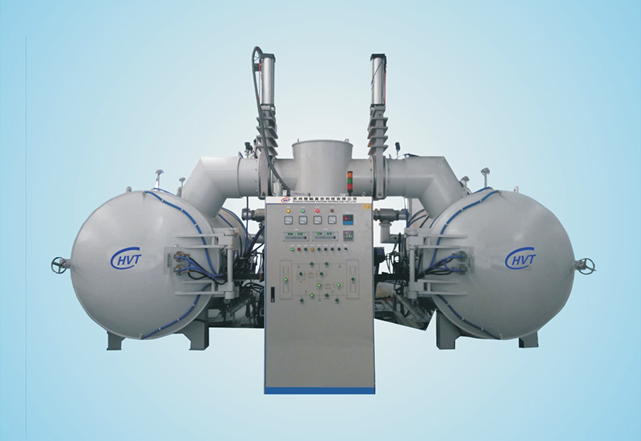
Industrial manufacturing processes across numerous sectors rely heavily on specialized heating equipment to achieve precise temperature control and material transformation. A metal furnace serves as the cornerstone of metallurgical operations, enabling manufacturers to process raw materials into finished products with exceptional quality and consistency. These sophisticated heating systems are essential for applications ranging from aerospace component manufacturing to automotive parts production, where temperature precision directly impacts product performance and safety standards.
Modern industrial facilities require reliable thermal processing solutions that can handle diverse materials while maintaining strict quality control measures. The selection of appropriate heating equipment depends on specific application requirements, material properties, and production volume demands. Understanding which applications necessitate dedicated furnace systems helps manufacturers optimize their production capabilities and ensure consistent output quality across all manufacturing operations.
Aerospace and Aviation Component Manufacturing
Titanium Alloy Processing Requirements
Aerospace manufacturing demands exceptional precision when processing titanium alloys and other high-performance materials. A dedicated metal furnace provides the controlled atmosphere necessary for heat treating titanium components used in aircraft engines, landing gear, and structural elements. These applications require precise temperature uniformity and contamination-free environments to prevent oxidation and maintain material integrity throughout the heating cycle.
Titanium processing operations benefit significantly from vacuum or inert gas atmospheres that prevent surface contamination during thermal treatment. The aerospace industry's stringent quality requirements make dedicated furnace systems essential for achieving repeatable results and meeting certification standards. Temperature control accuracy within ±5°C ensures that critical mechanical properties are developed consistently across all processed components.
Superalloy Heat Treatment Applications
Superalloy components used in jet engines and gas turbines require specialized thermal processing to develop their unique high-temperature strength characteristics. A metal furnace designed for superalloy processing must maintain precise temperature profiles while providing excellent atmosphere control. These materials often undergo complex heat treatment cycles involving solution annealing, aging, and stress relief operations that demand exceptional temperature stability.
The critical nature of aerospace applications makes dedicated furnace systems indispensable for processing superalloy components. Each heat treatment cycle must be carefully controlled and documented to ensure traceability and compliance with aviation safety regulations. Advanced furnace control systems enable manufacturers to achieve the precise metallurgical structures required for reliable performance in extreme operating conditions.
Automotive Industry Heat Treatment Operations
Engine Component Manufacturing
Automotive engine components require specific heat treatment processes to achieve optimal hardness, wear resistance, and fatigue strength properties. A metal furnace dedicated to automotive applications enables manufacturers to process crankshafts, connecting rods, and valve components with consistent quality and dimensional accuracy. These critical components must withstand extreme operating conditions while maintaining precise tolerances throughout their service life.
High-volume automotive production demands efficient thermal processing solutions that can handle large batch sizes while maintaining uniform heating across all components. Dedicated furnace systems provide the reliability and consistency needed for automotive manufacturing, where component failure can have serious safety implications. Advanced process control systems ensure that each heat treatment cycle meets stringent automotive quality standards.
Transmission and Drivetrain Components
Transmission gears, differential components, and drivetrain elements require specialized heat treatment to achieve the surface hardness and core toughness necessary for reliable power transmission. A metal furnace equipped for case hardening operations enables manufacturers to produce components with optimized wear characteristics and extended service life. These applications often involve carburizing, nitriding, or carbonitriding processes that require precise atmosphere control and temperature management.
The demanding performance requirements of modern automotive systems make dedicated heat treatment equipment essential for drivetrain component manufacturing. Uniform case depth and consistent hardness profiles are critical for preventing premature wear and ensuring smooth power transmission. Advanced furnace technology enables manufacturers to achieve these requirements while maintaining high production throughput and cost effectiveness.
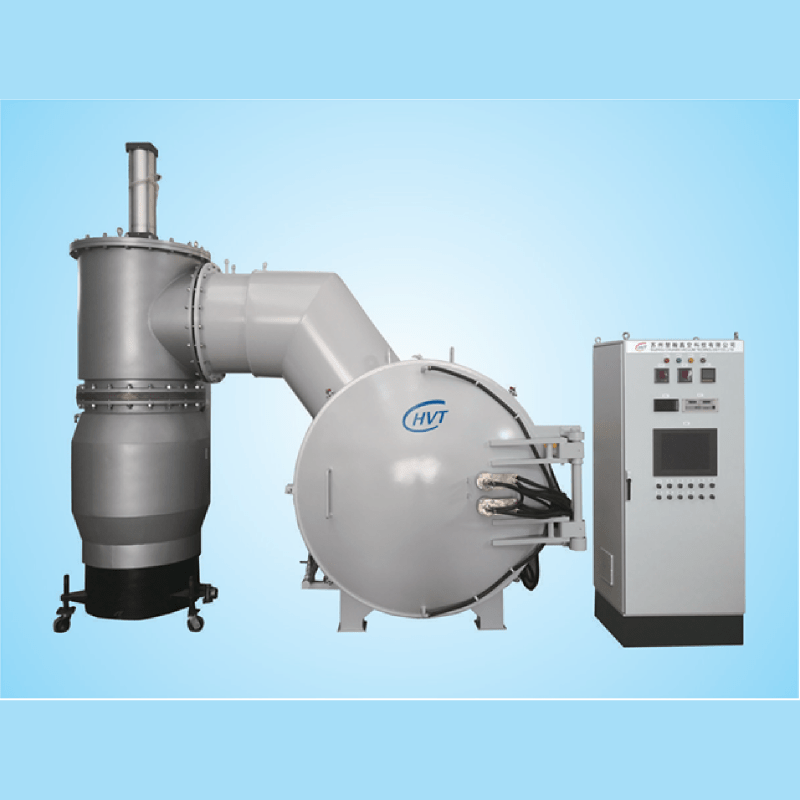
Medical Device and Implant Manufacturing
Surgical Instrument Processing
Medical device manufacturing requires exceptional cleanliness and precision in thermal processing operations. A metal furnace designed for medical applications must provide contamination-free environments suitable for processing surgical instruments, implants, and diagnostic equipment components. These applications demand strict adherence to biocompatibility standards and regulatory requirements that govern medical device production.
Stainless steel surgical instruments undergo specialized heat treatment processes to achieve optimal corrosion resistance and mechanical properties. The medical industry's zero-tolerance approach to contamination makes dedicated furnace systems essential for ensuring product safety and regulatory compliance. Advanced filtration and atmosphere control systems prevent cross-contamination while maintaining the sterile conditions required for medical device manufacturing.
Orthopedic Implant Heat Treatment
Orthopedic implants manufactured from titanium alloys and cobalt-chromium materials require precise thermal processing to achieve biocompatibility and mechanical performance standards. A metal furnace equipped for implant manufacturing must provide controlled atmospheres that prevent surface oxidation and contamination during heat treatment cycles. These critical medical components undergo stress relief, solution annealing, and aging treatments that directly impact their long-term performance in the human body.
The life-critical nature of orthopedic implants demands exceptional quality control throughout the manufacturing process. Dedicated furnace systems enable manufacturers to achieve the precise microstructures and surface conditions required for successful implant integration. Traceability and documentation capabilities built into modern furnace control systems support the rigorous quality assurance requirements of medical device manufacturing.
Tool and Die Manufacturing Applications
Cutting Tool Production
High-speed steel and carbide cutting tools require specialized heat treatment processes to develop their exceptional hardness and wear resistance properties. A metal furnace designed for tool manufacturing must provide precise temperature control and rapid cooling capabilities necessary for achieving optimal tool performance. These applications involve complex thermal cycles that include austenitizing, quenching, and tempering operations requiring exceptional temperature uniformity.
Modern cutting tool manufacturing demands consistent quality and performance across all production batches. Dedicated furnace systems provide the reliability and repeatability needed for producing tools that meet stringent performance specifications. Advanced atmosphere control systems prevent decarburization and oxidation while maintaining the surface quality required for precision cutting applications.
Injection Mold and Die Processing
Injection molds and stamping dies manufactured from tool steels require specialized heat treatment to achieve the hardness and toughness balance necessary for extended service life. A metal furnace equipped for mold and die processing must provide uniform heating across large components while maintaining precise temperature control throughout extended thermal cycles. These applications often involve stress relief operations that prevent distortion and cracking during service.
The high-value nature of injection molds and dies makes quality heat treatment essential for protecting manufacturing investments. Dedicated furnace systems enable manufacturers to achieve consistent results while minimizing the risk of component failure or dimensional changes. Advanced process monitoring and control systems ensure that each heat treatment cycle meets the specific requirements of different tool steel grades and component geometries.
Electronics and Semiconductor Manufacturing
Electronic Component Soldering Operations
Electronics manufacturing requires precise thermal processing for soldering operations, component attachment, and assembly processes. A metal furnace designed for electronics applications must provide controlled heating profiles that prevent thermal shock and component damage during manufacturing operations. These applications demand exceptional temperature uniformity and contamination-free environments that protect sensitive electronic components.
The miniaturization of electronic devices increases the importance of precise thermal control during manufacturing processes. Dedicated furnace systems enable electronics manufacturers to achieve consistent solder joint quality while preventing overheating of temperature-sensitive components. Advanced process control systems monitor multiple temperature zones to ensure optimal heating profiles for different component types and assembly configurations.
Semiconductor Wafer Processing
Semiconductor manufacturing involves numerous thermal processing steps that require exceptional precision and cleanliness. A metal furnace equipped for semiconductor applications must provide ultra-clean environments and precise temperature control suitable for wafer processing operations. These critical manufacturing steps include annealing, oxidation, and diffusion processes that directly impact semiconductor device performance and reliability.
The demanding requirements of semiconductor manufacturing make dedicated furnace systems essential for achieving consistent device performance and high yield rates. Contamination control systems and precision atmosphere management ensure that processing environments meet the stringent cleanliness standards required for semiconductor production. Advanced monitoring systems track critical process parameters to maintain optimal conditions throughout extended processing cycles.
Energy Sector Applications
Power Generation Component Manufacturing
Power generation equipment requires specialized thermal processing to ensure reliable operation under extreme conditions. A metal furnace designed for energy sector applications must handle large components while providing uniform heating and controlled cooling rates. These applications include processing turbine blades, generator components, and heat exchanger elements that operate in demanding high-temperature environments.
The critical nature of power generation equipment makes quality heat treatment essential for preventing failures that could impact electrical grid reliability. Dedicated furnace systems provide the capacity and precision needed for processing large-scale components while maintaining strict quality standards. Advanced process documentation and traceability systems support the rigorous quality assurance requirements of the energy sector.
Nuclear Industry Component Processing
Nuclear industry applications demand the highest levels of quality control and material integrity in thermal processing operations. A metal furnace equipped for nuclear applications must provide exceptional cleanliness and contamination control while meeting stringent regulatory requirements. These applications involve processing reactor components, fuel assemblies, and safety-critical systems that must maintain their integrity under extreme operating conditions.
The safety-critical nature of nuclear applications makes dedicated furnace systems indispensable for ensuring component reliability and regulatory compliance. Advanced monitoring and control systems provide complete process documentation while maintaining the precise conditions required for nuclear-grade materials. Specialized atmosphere control systems prevent contamination while ensuring optimal material properties throughout the heat treatment process.
FAQ
What factors determine the need for a dedicated metal furnace versus shared equipment
The decision to invest in dedicated furnace equipment depends on several critical factors including production volume, quality requirements, and cross-contamination risks. High-volume operations benefit from dedicated systems that eliminate scheduling conflicts and reduce setup time between different processes. Applications requiring strict contamination control, such as medical device or aerospace manufacturing, necessitate dedicated equipment to prevent cross-contamination between different materials or processes.
How does furnace atmosphere control impact different industrial applications
Atmosphere control plays a crucial role in determining heat treatment outcomes across various industrial applications. Vacuum or inert gas atmospheres prevent oxidation and contamination during processing of reactive materials like titanium and superalloys. Controlled atmospheres enable specific surface treatments such as carburizing or nitriding that are essential for automotive and tool manufacturing applications. The ability to precisely control atmosphere composition makes dedicated furnace systems essential for applications requiring specific surface properties or cleanliness standards.
What are the typical capacity requirements for industrial metal furnace applications
Capacity requirements vary significantly depending on the specific application and production demands. Aerospace applications often require medium-capacity systems capable of processing individual components or small batches with exceptional precision. Automotive manufacturing typically demands high-capacity systems that can handle large production volumes efficiently. Medical device manufacturing usually requires smaller, specialized systems that prioritize cleanliness and contamination control over production volume.
How do temperature uniformity requirements differ across various manufacturing sectors
Temperature uniformity requirements vary based on the critical nature of the application and material properties being developed. Aerospace and medical applications typically require the tightest temperature uniformity specifications, often within ±5°C, to ensure consistent material properties and regulatory compliance. Automotive applications may accept slightly broader temperature variations while still maintaining quality standards. Tool and die manufacturing requires excellent uniformity to prevent distortion and ensure consistent hardness patterns across processed components.
Table of Contents
- Aerospace and Aviation Component Manufacturing
- Automotive Industry Heat Treatment Operations
- Medical Device and Implant Manufacturing
- Tool and Die Manufacturing Applications
- Electronics and Semiconductor Manufacturing
- Energy Sector Applications
-
FAQ
- What factors determine the need for a dedicated metal furnace versus shared equipment
- How does furnace atmosphere control impact different industrial applications
- What are the typical capacity requirements for industrial metal furnace applications
- How do temperature uniformity requirements differ across various manufacturing sectors