 EN
EN
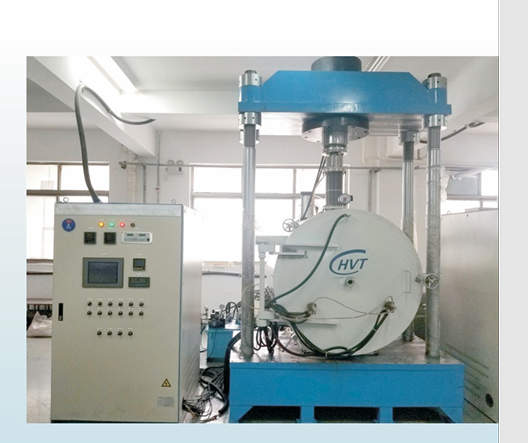
Metal melting operations represent one of the most hazardous industrial processes, requiring meticulous attention to safety protocols and risk management strategies. The extreme temperatures, molten materials, and toxic emissions inherent in these operations demand comprehensive safety measures to protect workers and facilities. Understanding and implementing critical safety practices in metal melting environments is essential for preventing catastrophic accidents, reducing occupational hazards, and maintaining operational efficiency. Modern industrial facilities must integrate advanced safety technologies, rigorous training programs, and continuous monitoring systems to ensure metal melting safety standards are consistently maintained throughout all operational phases.
Personal Protective Equipment and Worker Safety
Essential Protective Gear Requirements
Workers engaged in metal melting operations must utilize specialized personal protective equipment designed to withstand extreme temperatures and hazardous conditions. Heat-resistant suits, reinforced gloves, and protective eyewear form the foundation of individual safety measures. The selection of appropriate PPE must consider the specific metals being processed, operating temperatures, and duration of exposure. Regular inspection and replacement of protective equipment ensures optimal performance and worker protection throughout metal melting safety protocols.
Respiratory protection systems play a crucial role in safeguarding workers from toxic fumes and particulate matter generated during melting processes. High-efficiency particulate air filters and supplied-air respirators provide essential protection against metal oxides, volatile compounds, and other airborne contaminants. Training programs must emphasize proper fitting, maintenance, and usage procedures to maximize the effectiveness of respiratory protective equipment in maintaining metal melting safety standards.
Training and Certification Programs
Comprehensive training programs ensure workers understand the critical safety protocols required for metal melting operations. These programs must cover emergency procedures, equipment operation, hazard recognition, and proper use of safety systems. Regular certification updates and refresher courses help maintain proficiency levels and introduce new safety technologies or procedures. Effective training programs significantly reduce accident rates and improve overall metal melting safety performance across industrial facilities.
Specialized certification programs for furnace operators and safety supervisors establish clear competency standards and accountability measures. These certifications typically include written examinations, practical demonstrations, and ongoing assessment requirements. Investment in professional development and continuous education enhances worker expertise and strengthens the overall safety culture within metal melting operations.
Furnace Safety Systems and Environmental Controls
Temperature Monitoring and Control Systems
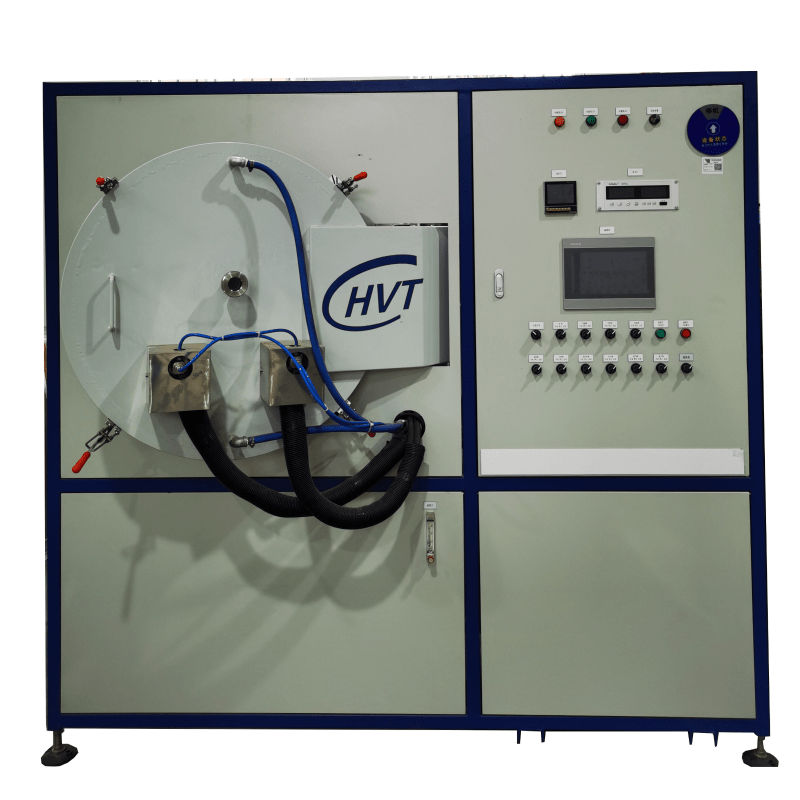
Advanced temperature monitoring systems provide real-time data on furnace conditions and help prevent overheating incidents that could compromise metal melting safety. Multiple sensor arrays, redundant monitoring circuits, and automated shutdown systems create multiple layers of protection against temperature excursions. Regular calibration and maintenance of these systems ensures accurate readings and reliable operation throughout the melting process.
Thermal imaging cameras and infrared sensors enable operators to detect hot spots, refractory damage, and potential failure points before they become critical safety hazards. Integration of these monitoring technologies with centralized control systems allows for immediate response to abnormal conditions. Predictive maintenance programs based on temperature data analysis help identify potential equipment failures and schedule repairs during planned downtime, enhancing overall metal melting safety performance.
Ventilation and Emission Control
Proper ventilation systems are essential for maintaining air quality and removing hazardous gases generated during metal melting operations. High-capacity exhaust fans, ductwork systems, and filtration equipment must be designed to handle the specific contaminants produced by different metals and alloys. Regular maintenance and performance testing of ventilation systems ensures adequate air exchange rates and effective contaminant removal.
Emission control technologies, including baghouse filters, scrubbers, and thermal oxidizers, help reduce environmental impact while protecting worker health. These systems require continuous monitoring and maintenance to ensure optimal performance and compliance with environmental regulations. Investment in advanced emission control technology demonstrates commitment to both environmental stewardship and metal melting safety excellence.
Emergency Response and Risk Management
Fire Prevention and Suppression Systems
Fire prevention strategies in metal melting facilities must address multiple ignition sources and combustible materials present in the operating environment. Automated fire detection systems, sprinkler networks, and specialized suppression agents provide comprehensive protection against fire incidents. Regular testing and maintenance of fire protection systems ensures reliable operation during emergency situations and maintains metal melting safety standards.
Specialized fire suppression systems designed for metal fires utilize dry powder agents or inert gases to effectively extinguish flames without creating additional hazards. Water-based systems may be inappropriate for certain types of metal fires and could actually worsen the situation. Proper selection and installation of fire suppression systems requires expert knowledge of metallurgical processes and fire dynamics.
Emergency Evacuation Procedures
Clear evacuation routes, emergency lighting, and communication systems enable rapid response to emergency situations in metal melting facilities. Regular emergency drills help workers become familiar with evacuation procedures and identify potential obstacles or improvements needed. Emergency response teams must be trained in specific hazards associated with metal melting operations and equipped with appropriate rescue equipment.
Coordination with local emergency services ensures external responders understand the unique hazards and safety requirements of metal melting facilities. Pre-incident planning, facility familiarization tours, and joint training exercises improve response effectiveness and reduce potential risks to both workers and emergency personnel. Effective emergency planning is a cornerstone of comprehensive metal melting safety programs.
Equipment Maintenance and Inspection Protocols
Preventive Maintenance Strategies
Systematic preventive maintenance programs identify potential equipment failures before they compromise metal melting safety or operational efficiency. Regular inspection schedules, component replacement intervals, and performance monitoring protocols help maintain equipment reliability and extend service life. Documentation of maintenance activities provides valuable data for optimizing maintenance schedules and identifying recurring issues.
Refractory inspection and maintenance represents a critical aspect of furnace safety, as degraded refractory materials can lead to structural failures and safety hazards. Specialized inspection techniques, including thermal imaging and ultrasonic testing, help identify refractory deterioration before it becomes critical. Planned refractory replacement and repair programs minimize downtime while maintaining metal melting safety standards.
Safety System Testing and Validation
Regular testing of safety systems, including emergency shutdown procedures, alarm systems, and protective devices, ensures these critical components function properly when needed. Test protocols must simulate actual operating conditions and potential failure scenarios to validate system performance. Documentation of test results and corrective actions provides evidence of due diligence and helps identify opportunities for improvement in metal melting safety systems.
Calibration of instrumentation and control systems maintains accuracy and reliability of safety-critical measurements. Regular calibration schedules, certified reference standards, and qualified technicians ensure measurement systems provide accurate data for safety decisions. Investment in high-quality instrumentation and calibration programs demonstrates commitment to operational excellence and metal melting safety.
Chemical Handling and Material Safety
Hazardous Material Management
Proper handling, storage, and disposal of chemicals used in metal melting operations requires comprehensive understanding of material properties and potential hazards. Safety data sheets, chemical compatibility charts, and handling procedures must be readily available to all personnel. Regular training on chemical hazards and proper handling techniques helps prevent accidents and exposure incidents that could compromise metal melting safety.
Secondary containment systems, spill response equipment, and emergency shower stations provide additional protection against chemical exposure incidents. Regular inspection and testing of these safety systems ensures they remain functional and accessible when needed. Integration of chemical safety protocols with overall facility safety programs creates a comprehensive approach to hazard management in metal melting operations.
Waste Management and Environmental Compliance
Proper management of waste materials generated during metal melting operations helps prevent environmental contamination and regulatory violations. Segregation, labeling, and proper disposal of different waste streams requires detailed understanding of applicable regulations and waste characteristics. Regular audits of waste management practices ensure compliance and identify opportunities for waste reduction or recycling.
Environmental monitoring programs track air emissions, water discharges, and soil contamination to ensure compliance with regulatory requirements. Regular sampling, analysis, and reporting demonstrate environmental stewardship and help identify potential issues before they become serious problems. Proactive environmental management supports both regulatory compliance and community relations while maintaining metal melting safety excellence.
Regulatory Compliance and Industry Standards
OSHA Requirements and Safety Regulations
Compliance with Occupational Safety and Health Administration regulations forms the foundation of metal melting safety programs in the United States. Regular updates to safety procedures, training programs, and documentation practices ensure ongoing compliance with evolving regulatory requirements. Safety audits and inspections help identify potential compliance issues and opportunities for improvement in safety performance.
Record-keeping requirements for safety training, incident reporting, and equipment maintenance create documentation trails that demonstrate compliance efforts. Digital record-keeping systems improve accessibility and organization of safety documentation while supporting audit and inspection activities. Investment in compliance management systems demonstrates commitment to regulatory adherence and metal melting safety excellence.
Industry Best Practices and Standards
Industry organizations and professional associations provide valuable guidance on best practices and emerging technologies for metal melting safety. Participation in industry groups, conferences, and technical committees helps facilities stay current with safety innovations and share experiences with peer organizations. Adoption of industry consensus standards demonstrates commitment to safety excellence beyond minimum regulatory requirements.
Benchmarking safety performance against industry standards and peer facilities identifies opportunities for improvement and validates current practices. Regular assessment of safety metrics, incident rates, and near-miss reporting helps track progress and identify trends. Continuous improvement programs based on industry best practices drive ongoing enhancement of metal melting safety performance.
FAQ
What are the most common hazards in metal melting operations
The most significant hazards in metal melting operations include extreme heat exposure, toxic gas emissions, molten metal splashing, fire and explosion risks, and structural failures of furnace systems. Workers face additional risks from heavy lifting, machinery operation, and exposure to various chemicals and metallurgical processes. Comprehensive metal melting safety programs must address each of these hazard categories through appropriate protective measures, training, and safety systems.
How often should safety equipment be inspected and maintained
Safety equipment inspection frequencies depend on the specific equipment type, manufacturer recommendations, and regulatory requirements. Personal protective equipment should be inspected before each use and replaced according to manufacturer specifications or when damage is detected. Fixed safety systems such as fire suppression, ventilation, and emergency shutdown systems typically require monthly visual inspections with more detailed maintenance performed quarterly or annually. Critical safety instrumentation may require weekly or daily checks to ensure proper operation and maintain metal melting safety standards.
What training is required for workers in metal melting facilities
Workers in metal melting facilities require comprehensive training covering general safety principles, specific hazard recognition, emergency procedures, proper use of personal protective equipment, and operation of safety systems. Initial training programs typically require 40 hours or more of instruction, followed by ongoing refresher training and specialized training for specific job functions. Furnace operators and safety supervisors may require additional certification programs and continuing education to maintain their qualifications and ensure metal melting safety competency.
How can facilities improve their metal melting safety performance
Facilities can improve metal melting safety performance through regular safety audits, employee feedback programs, incident investigation and analysis, investment in advanced safety technologies, and continuous training programs. Establishing a strong safety culture that encourages reporting of near-miss incidents and safety concerns helps identify potential improvements before accidents occur. Benchmarking against industry best practices and participating in safety improvement initiatives provides additional opportunities for enhancement of metal melting safety programs.