
 EN
EN
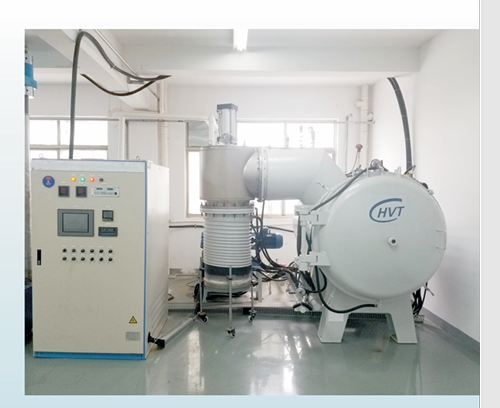
Manufacturing industries today face unprecedented pressure to maintain consistent quality while optimizing production efficiency. Metal melting processes have emerged as a critical factor in achieving these objectives, fundamentally transforming how manufacturers approach material processing and product development. The precise control of thermal conditions during metal melting enables manufacturers to eliminate variability in material properties, resulting in products that meet stringent quality standards across every production run. Understanding the relationship between controlled metal melting and production consistency opens doors to enhanced operational efficiency and reduced manufacturing costs.
Fundamentals of Controlled Metal Melting
Temperature Precision and Uniformity
Temperature control during metal melting represents the cornerstone of achieving consistent production outcomes. When metals undergo the melting process under precisely controlled conditions, their molecular structure transforms uniformly, eliminating the internal stresses and inconsistencies that plague traditional heating methods. Advanced metal melting systems utilize sophisticated temperature monitoring and feedback mechanisms to maintain thermal uniformity within narrow tolerance ranges. This precision ensures that every batch of melted material exhibits identical crystalline structures and mechanical properties, directly translating to consistent performance in finished products.
Modern vacuum furnaces incorporate multi-zone heating elements that distribute thermal energy evenly throughout the melting chamber. The absence of atmospheric gases during vacuum metal melting prevents oxidation and contamination, further enhancing the consistency of the molten material. Temperature gradients that commonly occur in conventional furnaces are virtually eliminated, ensuring that all portions of the material reach the target melting temperature simultaneously. This uniform heating approach prevents the formation of hot spots and cold zones that can compromise material integrity and lead to variations in final product characteristics.
Atmospheric Control and Purity
The atmospheric environment during metal melting significantly impacts the final material properties and production consistency. Controlled atmosphere systems remove oxygen, nitrogen, and other reactive gases that can interact with molten metals, forming unwanted compounds that alter material behavior. Vacuum metal melting creates an inert environment where materials can transform without external chemical interference, resulting in purer end products with predictable performance characteristics. The elimination of atmospheric variables reduces one of the primary sources of batch-to-batch variation in metal processing operations.
Inert gas backfilling during specific phases of the metal melting cycle provides additional control over the processing environment. Argon and helium atmospheres prevent unwanted chemical reactions while allowing for controlled cooling rates that optimize crystalline structure formation. This atmospheric management capability enables manufacturers to tailor the metal melting process to specific alloy requirements, ensuring that each production run achieves the desired material properties consistently. The precise control of atmospheric conditions during melting translates directly to improved product reliability and reduced quality variations.
Process Standardization Through Advanced Melting Technology
Automated Control Systems
Modern metal melting facilities leverage sophisticated automation systems that eliminate human variability from critical process parameters. Programmable logic controllers monitor and adjust temperature, pressure, and timing sequences with microsecond precision, ensuring that every melting cycle follows identical procedural steps. These automated systems record comprehensive process data, enabling manufacturers to identify and replicate the exact conditions that produce optimal results. The consistency achieved through automated metal melting processes far exceeds what manual operations can accomplish, particularly in high-volume production environments.
Real-time process monitoring during metal melting provides immediate feedback on critical parameters, allowing for instant corrections before deviations impact product quality. Advanced sensor networks track temperature distribution, pressure variations, and chemical composition changes throughout the melting cycle. Machine learning algorithms analyze this data to predict optimal process adjustments, continuously improving the consistency of metal melting operations. The integration of artificial intelligence with traditional control systems creates adaptive processes that become more accurate and consistent over time.
Reproducible Heating Profiles
Standardized heating profiles ensure that every metal melting cycle follows identical thermal trajectories from ambient temperature to final processing conditions. These profiles specify precise heating rates, hold temperatures, and cooling sequences that have been optimized for specific material types and product requirements. By eliminating variations in thermal treatment, manufacturers can guarantee that material properties remain constant across all production batches. The ability to store and recall proven heating profiles enables rapid setup of metal melting equipment for different product lines while maintaining consistency standards.
Advanced metal melting systems incorporate adaptive heating algorithms that compensate for variations in raw material characteristics, charge sizes, and environmental conditions. These intelligent systems adjust power output and timing sequences to maintain consistent thermal profiles regardless of external variables. The result is a metal melting process that delivers identical results whether processing the first batch of the day or the hundredth, eliminating time-based variations that commonly affect production consistency. Documentation and traceability systems record every aspect of the heating profile for each batch, supporting quality assurance and continuous improvement initiatives.
Material Property Enhancement
Grain Structure Optimization
Controlled metal melting processes enable precise manipulation of grain structure formation, directly influencing the mechanical properties and performance characteristics of finished products. The cooling rate following metal melting determines crystal size and orientation, with slower cooling typically producing larger grains and faster cooling creating finer structures. Modern vacuum furnaces provide programmable cooling profiles that can be tailored to achieve specific grain structures consistently across all production batches. This level of control over microstructure formation ensures that mechanical properties such as strength, ductility, and fatigue resistance remain uniform throughout large production runs.
Vacuum metal melting prevents the formation of oxide inclusions and other defects that can disrupt grain boundary integrity and compromise material performance. The absence of atmospheric contamination allows for the development of clean, uniform grain structures that exhibit superior mechanical properties compared to conventionally processed materials. Controlled nucleation during the solidification phase of metal melting creates consistent grain size distributions that enhance material reliability and reduce performance variations. The ability to reproduce specific grain structures through standardized metal melting processes translates directly to improved product quality and manufacturing consistency.
Alloy Homogenization
Uniform distribution of alloying elements throughout the material matrix represents a critical factor in achieving consistent product performance. Advanced metal melting systems incorporate stirring mechanisms and thermal cycling techniques that promote complete mixing of different metal components. The extended holding times possible in vacuum environments allow for thorough diffusion of alloying elements, eliminating segregation patterns that can create weak points in finished products. Consistent alloy composition across the entire material volume ensures that mechanical and chemical properties remain uniform regardless of the location from which test samples are taken.
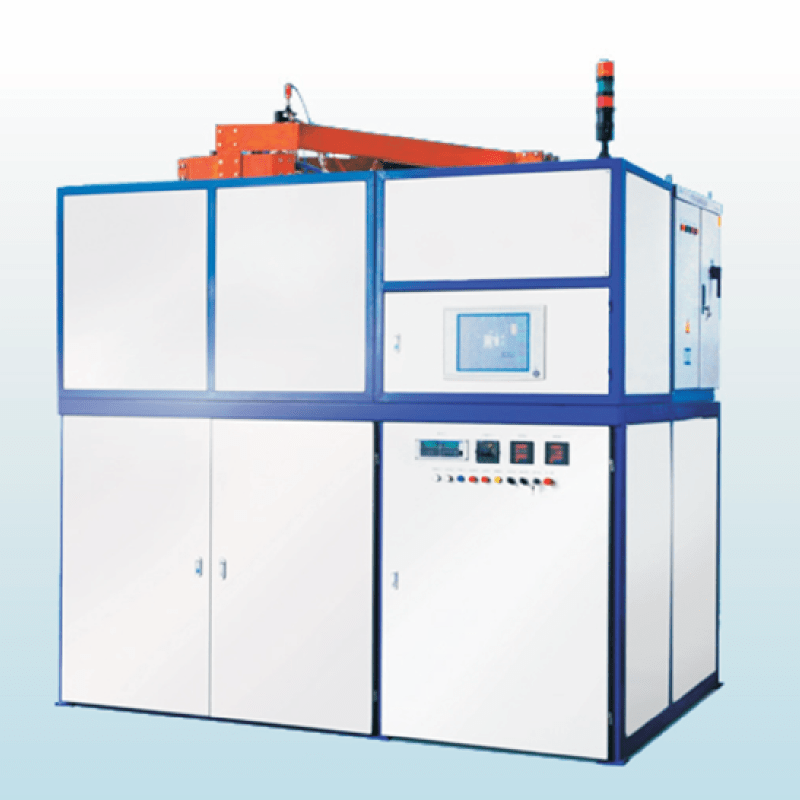
Temperature uniformity during metal melting prevents the formation of composition gradients that commonly occur in conventional processing methods. Even heating throughout the material volume ensures that all alloying elements reach their optimal dissolution temperatures simultaneously, promoting complete homogenization. The ability to maintain precise temperature control for extended periods allows for thorough mixing without overheating or thermal damage to sensitive alloy components. This careful balance of time and temperature during metal melting produces materials with superior consistency compared to rapidly processed alternatives.
Quality Control Integration
Real-Time Monitoring Systems
Integrated quality control systems provide continuous monitoring of critical parameters throughout the metal melting process, enabling immediate detection and correction of variations before they impact product quality. Spectroscopic analysis systems can monitor chemical composition in real-time, alerting operators to deviations from target specifications while corrective actions remain possible. Temperature mapping systems track thermal uniformity across the entire melting chamber, ensuring that all material receives identical thermal treatment. These monitoring capabilities transform metal melting from a process requiring post-production testing to one that guarantees quality through continuous verification.
Advanced data logging systems record comprehensive process information during each metal melting cycle, creating detailed records that support traceability and quality assurance requirements. Statistical process control algorithms analyze trend data to identify gradual changes in process parameters before they result in quality deviations. This predictive capability allows maintenance and calibration activities to be scheduled proactively, preventing equipment drift that could compromise production consistency. The integration of quality monitoring with process control creates a feedback loop that continuously optimizes metal melting operations for maximum consistency.
Statistical Process Control
Implementation of statistical process control methods during metal melting operations provides quantitative measures of process stability and consistency. Control charts track key process variables such as temperature uniformity, heating rates, and chemical composition over time, identifying trends that indicate process drift or equipment degradation. Capability studies demonstrate the inherent consistency of controlled metal melting processes, providing confidence in the ability to meet stringent quality specifications. The mathematical rigor of statistical analysis removes subjective interpretation from quality assessment, ensuring that consistency claims are supported by objective data.
Process capability indices calculated from metal melting data provide quantitative measures of how well the process meets specification requirements. These metrics enable comparison between different processing methods and identification of opportunities for further improvement. Regular capability studies track process performance over time, documenting improvements in consistency as operating procedures are refined and equipment is optimized. The continuous measurement and analysis of process capability ensures that metal melting operations maintain their consistency advantages throughout extended production campaigns.
Economic Benefits of Consistent Metal Melting
Reduced Scrap and Rework
Consistent metal melting processes dramatically reduce the production of defective materials that require reprocessing or disposal as scrap. When every batch meets specifications on the first attempt, manufacturers avoid the costs associated with material waste, additional processing time, and quality inspection overhead. The elimination of batch-to-batch variations through controlled metal melting reduces the need for sorting and segregation operations that add complexity and cost to production workflows. Statistical analysis of scrap rates before and after implementing advanced metal melting systems typically shows reductions of fifty percent or more in material waste.
The predictable nature of controlled metal melting processes enables manufacturers to operate with tighter specification limits, maximizing material utilization while maintaining quality standards. Reduced variability allows for smaller safety margins in process parameters, translating to more efficient use of energy, time, and raw materials. The confidence that comes from consistent metal melting results enables manufacturers to commit to demanding customer specifications without the risk of costly failures during production. This reliability becomes a competitive advantage in markets where quality consistency commands premium pricing.
Enhanced Production Planning
Predictable metal melting processes enable more accurate production scheduling and capacity planning, reducing the uncertainties that complicate manufacturing operations. When processing times and outcomes are consistent, manufacturers can commit to delivery schedules with confidence, improving customer satisfaction and enabling just-in-time production strategies. The elimination of unplanned downtime for rework and quality issues allows production equipment to operate at higher effective utilization rates. Consistent metal melting processes also reduce the need for buffer inventory, as manufacturers can rely on predictable production outcomes rather than maintaining excess stock to cover potential quality issues.
Resource allocation becomes more efficient when metal melting processes deliver consistent results, as planning can be based on known capabilities rather than conservative estimates that account for variability. Labor scheduling benefits from predictable processing times, eliminating the need for overtime to address quality problems or rework requirements. Energy consumption patterns become more consistent, enabling better utility cost management and more accurate production cost calculations. The cumulative effect of these improvements creates significant economic advantages that justify investment in advanced metal melting technology.
FAQ
What makes vacuum metal melting more consistent than conventional methods
Vacuum metal melting eliminates atmospheric contamination and provides superior temperature control compared to conventional methods. The absence of reactive gases prevents oxidation and unwanted chemical reactions that create variations in material properties. Precise temperature uniformity throughout the melting chamber ensures consistent thermal treatment of all material, while automated control systems eliminate human variability from critical process parameters.
How does controlled cooling after metal melting affect consistency
Controlled cooling rates following metal melting determine the grain structure and mechanical properties of the finished material. Programmable cooling profiles enable manufacturers to achieve specific microstructures consistently across all production batches. The ability to precisely control cooling parameters eliminates variations in material hardness, strength, and ductility that commonly occur with uncontrolled cooling methods.
What role does atmosphere control play in metal melting consistency
Atmosphere control during metal melting prevents contamination from oxygen, nitrogen, and other reactive gases that can alter material composition and properties. Inert gas environments or vacuum conditions ensure that chemical reactions occur only as intended, eliminating random variations caused by atmospheric interference. This controlled environment produces materials with predictable composition and performance characteristics across all production runs.
How can manufacturers measure the consistency improvements from advanced metal melting
Statistical process control methods provide quantitative measures of consistency improvements through control charts and capability studies. Key metrics include reduced standard deviation in material properties, improved process capability indices, and decreased scrap rates. Real-time monitoring systems generate comprehensive data that demonstrates the superior consistency of controlled metal melting compared to conventional processing methods.