
 EN
EN
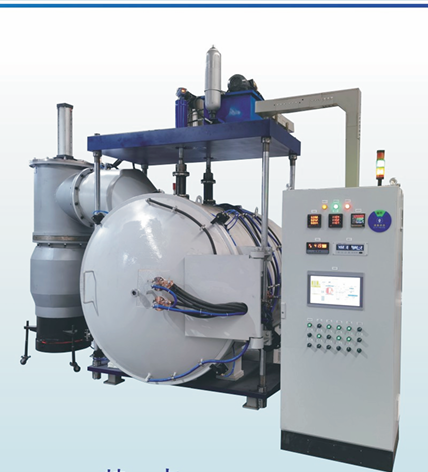
Metal melting processes form the backbone of modern industrial manufacturing, enabling countless industries to transform raw materials into essential products that power our daily lives. From the steel beams supporting skyscrapers to the intricate components inside smartphones, metal melting processes serve as the fundamental bridge between raw metallic elements and finished goods. Understanding which industries rely most heavily on these thermal transformation techniques reveals the critical importance of advanced furnace technology and precision temperature control in contemporary manufacturing.
Automotive Industry Dependencies on Metal Melting
Engine Components and Casting Operations
The automotive sector represents one of the largest consumers of metal melting processes globally, with manufacturers requiring precise thermal control for producing engine blocks, transmission housings, and cylinder heads. Modern automotive foundries utilize sophisticated melting techniques to achieve the exact metallurgical properties needed for high-performance engine components. These metal melting processes must maintain strict temperature tolerances to ensure proper grain structure and mechanical properties in cast iron and aluminum alloys.
Advanced automotive manufacturers increasingly depend on vacuum melting and controlled atmosphere techniques to eliminate impurities that could compromise engine performance. The precision required in these metal melting processes directly impacts fuel efficiency, emissions control, and overall vehicle reliability. Investment casting using these specialized melting methods enables the production of complex geometries that would be impossible through traditional machining alone.
Lightweight Alloy Development
Electric vehicle manufacturers particularly rely on advanced metal melting processes to develop lightweight aluminum and magnesium alloys that extend battery range while maintaining structural integrity. These specialized melting techniques require precise control over alloying elements and cooling rates to achieve optimal strength-to-weight ratios. The automotive industry's transition toward electrification has intensified demand for innovative metal melting processes capable of producing high-strength, lightweight components.
Research and development in automotive metallurgy continuously pushes the boundaries of what metal melting processes can achieve, with manufacturers investing heavily in equipment that can handle reactive metals and complex alloy systems. The integration of artificial intelligence and real-time monitoring systems into these melting operations ensures consistent quality while reducing energy consumption and production costs.
Aerospace Manufacturing and High-Performance Alloys
Superalloy Production Requirements
Aerospace manufacturers depend on the most sophisticated metal melting processes available to produce superalloys capable of withstanding extreme temperatures and stresses encountered in jet engines and spacecraft applications. These specialized melting operations often employ vacuum arc remelting, electron beam melting, and other advanced techniques to achieve the purity levels and microstructural control required for critical aerospace components. The demanding specifications of aerospace applications make metal melting processes absolutely essential for producing materials that can perform reliably in harsh operating environments.
The aerospace industry's reliance on metal melting processes extends beyond traditional manufacturing to include additive manufacturing applications where metal powders must be precisely melted and solidified layer by layer. This emerging technology requires unprecedented control over melting parameters to achieve the density and mechanical properties needed for flight-critical components. Quality assurance in aerospace metal melting processes involves extensive testing and documentation to meet stringent regulatory requirements.
Titanium and Exotic Metal Processing
Titanium processing represents one of the most challenging applications of metal melting processes, requiring specialized equipment and inert atmosphere control to prevent contamination during melting operations. Aerospace manufacturers utilize these complex melting techniques to produce components with exceptional corrosion resistance and high-temperature performance characteristics. The reactive nature of titanium and other exotic metals demands precise control over every aspect of the melting process, from raw material preparation to final solidification.
Modern aerospace facilities incorporate multiple redundant safety systems and advanced monitoring technologies to ensure consistent results from their metal melting processes. The high value of aerospace-grade titanium and superalloy materials makes process reliability and yield optimization critical factors in maintaining competitive manufacturing costs while meeting demanding performance specifications.
Steel Production and Infrastructure Development
Basic Oxygen Furnace Operations
The steel industry fundamentally depends on large-scale metal melting processes to transform iron ore and scrap steel into the various grades of steel required for construction, infrastructure, and manufacturing applications. Basic oxygen furnaces represent the most widely used technology for primary steel production, employing precisely controlled melting conditions to achieve desired carbon content and alloy composition. These industrial-scale metal melting processes must operate continuously and efficiently to meet the enormous global demand for steel products.
Modern steel mills integrate sophisticated process control systems that monitor and adjust metal melting processes in real-time to optimize product quality while minimizing energy consumption and environmental impact. The transition toward more sustainable steel production has led to innovations in melting technology, including hydrogen-based reduction processes and improved scrap steel recycling techniques that reduce the carbon footprint of traditional metal melting processes.
Specialty Steel and Alloy Production
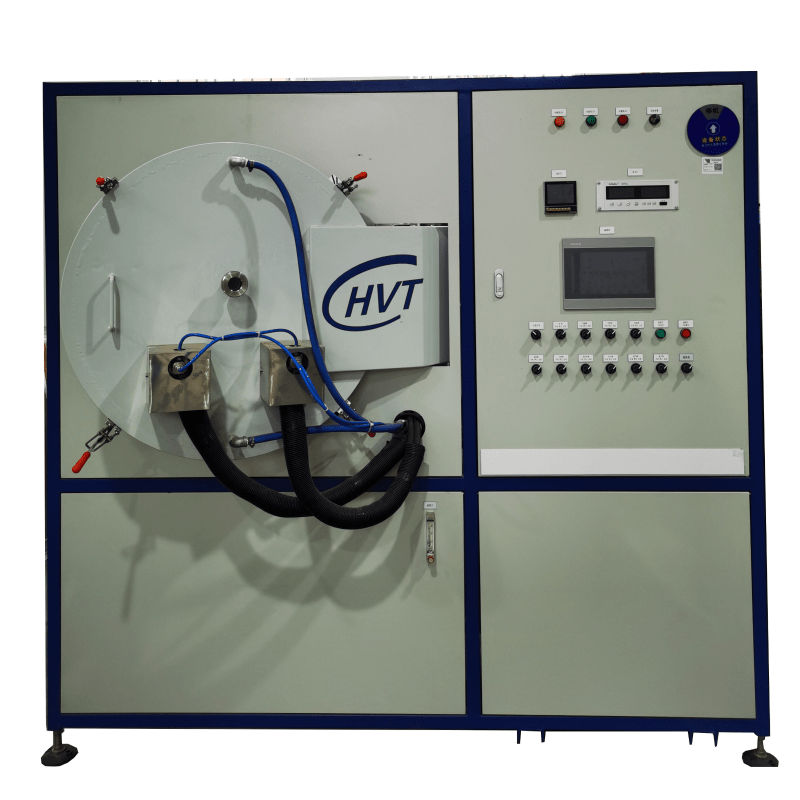
High-performance applications in construction, energy, and manufacturing require specialty steels produced through advanced metal melting processes that can precisely control alloy composition and microstructure. Electric arc furnaces and induction melting systems enable steel producers to create custom alloys with specific properties tailored to demanding applications such as offshore drilling equipment, nuclear reactor components, and high-speed cutting tools. These specialized metal melting processes often incorporate secondary refining techniques to achieve ultra-low impurity levels and precise chemical composition.
The development of new steel grades for emerging applications continues to drive innovation in metal melting processes, with researchers exploring novel melting techniques that can incorporate nanoparticles, control grain structure, and achieve previously impossible combinations of strength, ductility, and corrosion resistance. Investment in advanced melting technology enables steel producers to differentiate their products in competitive global markets while meeting increasingly stringent performance requirements.
Electronics and Semiconductor Manufacturing
Precious Metal Recovery and Purification
The electronics industry relies heavily on metal melting processes for both primary production and recycling of precious metals used in circuit boards, connectors, and semiconductor devices. Gold, silver, platinum, and palladium recovery from electronic waste requires sophisticated melting and refining techniques that can separate valuable metals from complex assemblies while maintaining high purity levels. These specialized metal melting processes enable the recovery and reuse of expensive materials that would otherwise represent significant economic and environmental losses.
Modern electronics recycling facilities employ advanced pyrometallurgical processes that combine controlled melting with chemical extraction to achieve recovery rates exceeding ninety percent for many precious metals. The growing volume of electronic waste worldwide has made these metal melting processes increasingly important for sustainable resource management and circular economy initiatives within the electronics industry.
Semiconductor Substrate Production
Silicon wafer production for semiconductor manufacturing depends on ultra-pure metal melting processes that can achieve the extraordinary purity levels required for modern microprocessors and memory devices. Crystal growth techniques such as the Czochralski process require precise control over melting temperature, atmosphere, and cooling rates to produce single-crystal silicon with minimal defects. These highly specialized metal melting processes must operate in clean room environments with extensive contamination control measures to prevent impurities that could compromise semiconductor device performance.
The semiconductor industry's continuous drive toward smaller feature sizes and higher performance has intensified requirements for metal melting processes capable of producing ultra-pure materials with precisely controlled properties. Advanced monitoring and control systems enable real-time adjustment of melting parameters to maintain the tight tolerances required for next-generation semiconductor applications.
Medical Device and Biocompatible Alloy Manufacturing
Implant Grade Material Production
Medical device manufacturers depend on specialized metal melting processes to produce biocompatible alloys used in orthopedic implants, cardiovascular devices, and surgical instruments. Titanium alloys, stainless steels, and cobalt-chromium alloys used in medical applications require melting techniques that can achieve exceptional purity and precise control over microstructure to ensure biocompatibility and long-term performance in the human body. These critical metal melting processes must meet stringent regulatory requirements and quality standards that exceed those found in most other industries.
Vacuum melting and controlled atmosphere processing are essential for producing medical-grade metals that minimize the risk of adverse biological reactions while providing the mechanical properties needed for demanding applications such as joint replacement and dental implants. The traceability and documentation requirements for medical device manufacturing extend throughout the entire supply chain, making process control and quality assurance integral components of medical metal melting processes.
Additive Manufacturing for Custom Devices
The growing field of personalized medicine increasingly relies on metal additive manufacturing techniques that utilize precisely controlled melting processes to create custom implants and surgical guides tailored to individual patient anatomy. These innovative applications of metal melting processes enable the production of complex geometries and functionally graded materials that would be impossible to achieve through conventional manufacturing methods. Powder bed fusion and directed energy deposition techniques require sophisticated control over melting parameters to achieve the density and surface finish required for medical applications.
Quality assurance in medical additive manufacturing involves comprehensive testing and validation of metal melting processes to ensure consistent mechanical properties and biocompatibility across all produced devices. The regulatory approval process for new medical devices manufactured using these advanced melting techniques requires extensive documentation and clinical testing to demonstrate safety and efficacy.
FAQ
Which industry uses the most advanced metal melting processes?
The aerospace industry typically employs the most advanced metal melting processes due to the extreme performance requirements of aircraft and spacecraft components. Aerospace manufacturers utilize vacuum arc remelting, electron beam melting, and other sophisticated techniques to produce superalloys and titanium alloys that can withstand high temperatures, corrosive environments, and extreme mechanical stresses. These advanced metal melting processes often incorporate real-time monitoring systems and precise atmospheric control to achieve the purity levels and microstructural properties required for flight-critical applications.
How do metal melting processes impact product quality in manufacturing?
Metal melting processes directly determine the microstructure, mechanical properties, and overall quality of finished metal products across all manufacturing industries. Precise control over melting temperature, cooling rate, and atmospheric conditions enables manufacturers to achieve specific grain structures, eliminate defects, and optimize properties such as strength, ductility, and corrosion resistance. Advanced metal melting processes that incorporate computer-controlled systems and real-time monitoring can consistently produce materials that meet tight tolerances and performance specifications required for demanding applications.
What role do environmental considerations play in modern metal melting processes?
Environmental sustainability has become a critical factor driving innovation in metal melting processes across all industries, with manufacturers investing in energy-efficient technologies and cleaner production methods. Modern melting facilities incorporate waste heat recovery systems, emissions control equipment, and recycling programs that minimize environmental impact while maintaining production efficiency. The development of hydrogen-based reduction processes and improved scrap metal recycling techniques represents the industry's commitment to reducing the carbon footprint of traditional metal melting processes while meeting growing global demand for metal products.
How has automation changed metal melting processes in recent years?
Automation and artificial intelligence have revolutionized metal melting processes by enabling precise control over complex variables that affect product quality and production efficiency. Modern melting systems incorporate sensors, data analytics, and machine learning algorithms that can predict and prevent quality issues while optimizing energy consumption and material yields. These automated metal melting processes reduce human error, improve consistency, and enable manufacturers to respond quickly to changing production requirements while maintaining the high quality standards demanded by aerospace, automotive, medical, and other critical industries.