
 EN
EN
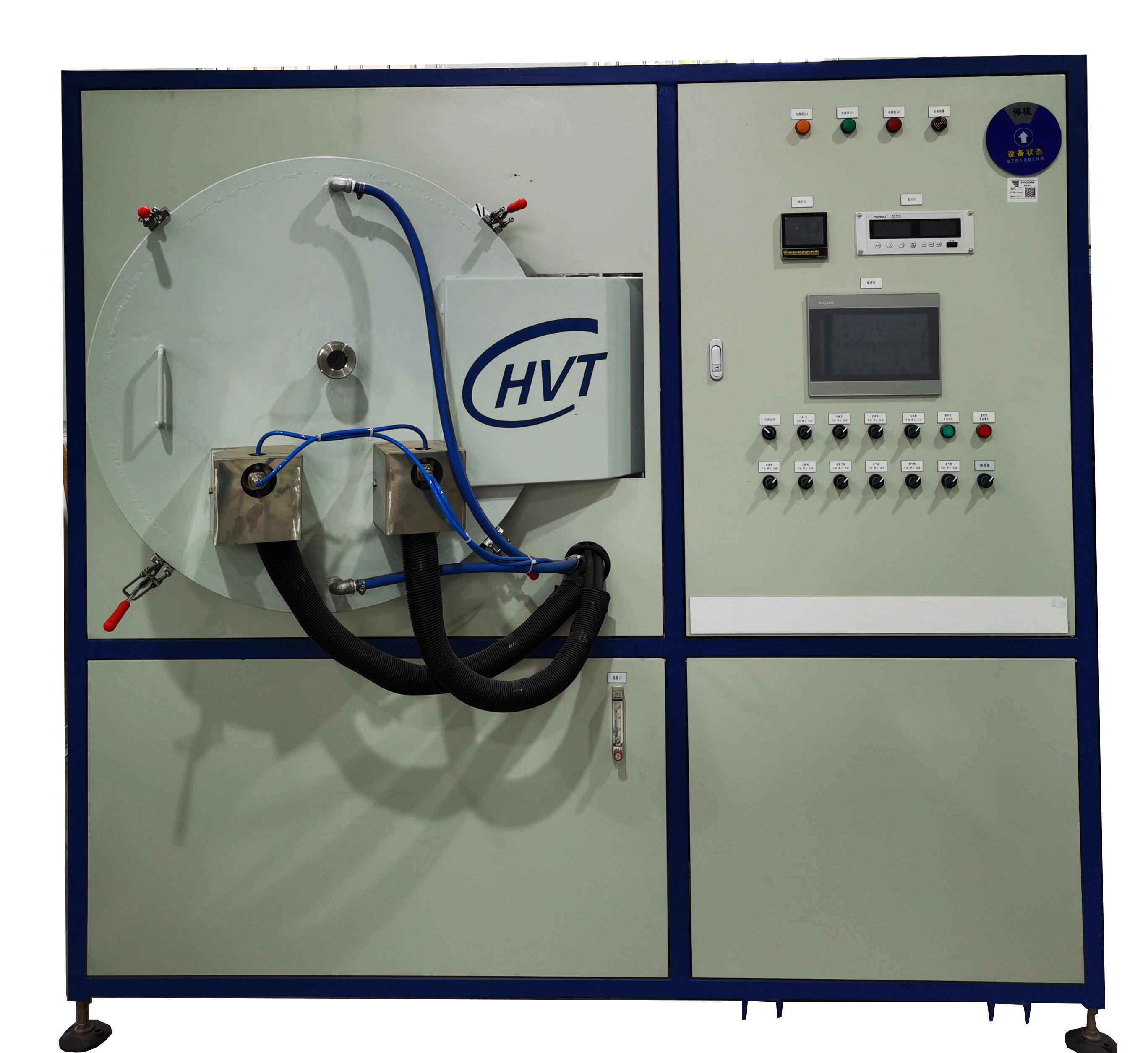
Material testing has evolved significantly over the past decades, with advanced thermal testing equipment becoming essential for industries ranging from aerospace to electronics manufacturing. Modern laboratories rely on sophisticated heating chambers to evaluate how materials perform under elevated temperature conditions, providing critical data for product development and quality assurance processes.
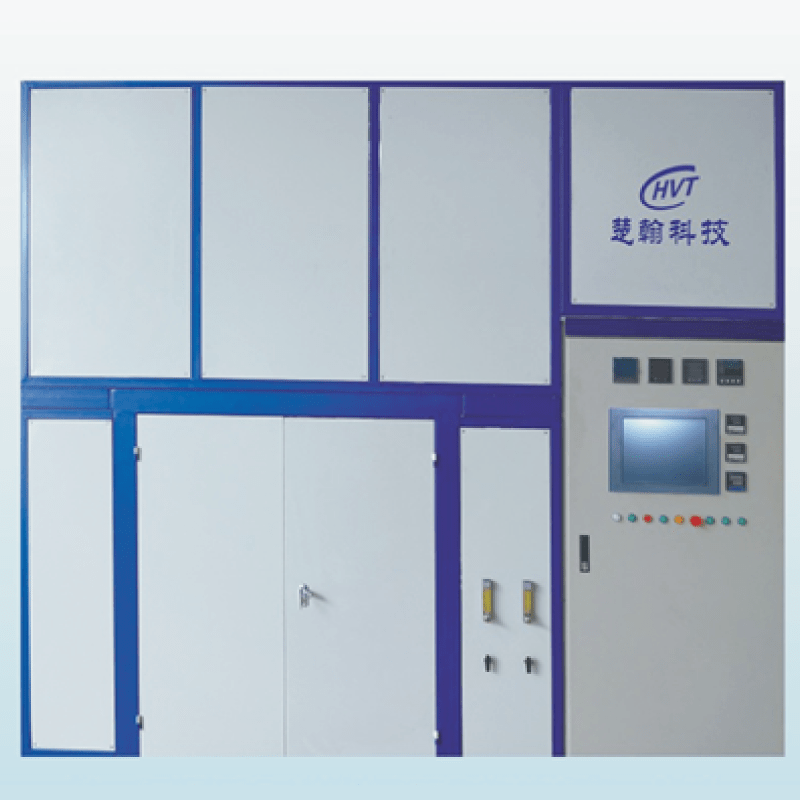
The implementation of controlled thermal environments has revolutionized how engineers and researchers approach material characterization. These specialized testing environments enable precise temperature control while maintaining consistent atmospheric conditions, ensuring reproducible results that meet international testing standards. Industries worldwide depend on accurate thermal testing data to make informed decisions about material selection, processing parameters, and product reliability.
Understanding the comprehensive benefits of thermal testing equipment becomes crucial when selecting appropriate solutions for specific applications. From automotive components to electronic devices, materials must withstand various temperature extremes throughout their operational lifecycle. Professional testing facilities utilize advanced thermal chambers to simulate real-world conditions, providing valuable insights into material behavior under stress.
Enhanced Temperature Control Capabilities
Precision Temperature Management
Modern heating chambers deliver exceptional temperature stability and uniformity across the entire testing volume. Advanced control systems maintain temperatures within narrow tolerances, typically achieving variations of less than ±1°C throughout the chamber workspace. This level of precision ensures that test specimens experience identical thermal conditions, eliminating temperature-related variables that could compromise test results.
The sophisticated heating elements and circulation systems work in concert to create homogeneous temperature distributions. Multiple temperature sensors positioned strategically throughout the chamber continuously monitor thermal conditions, providing feedback to the control system for real-time adjustments. This closed-loop control mechanism ensures consistent performance across extended testing periods.
Professional-grade heating chambers incorporate advanced insulation materials and chamber designs that minimize heat loss while maximizing energy efficiency. The thermal mass of these systems provides excellent temperature stability, reducing recovery times after door openings and maintaining consistent conditions during prolonged testing cycles.
Programmable Thermal Profiles
Contemporary thermal testing equipment offers sophisticated programming capabilities that enable complex temperature profiles and cycling routines. Users can create custom heating and cooling ramps, dwell periods, and repetitive cycles that closely simulate real-world operating conditions. These programmable features eliminate manual intervention while ensuring consistent test execution across multiple specimens.
The ability to program specific thermal profiles proves invaluable for accelerated aging tests, thermal shock evaluations, and stress relaxation studies. Researchers can establish standardized test protocols that automatically execute predetermined temperature sequences, improving testing efficiency while maintaining strict adherence to established procedures.
Advanced data logging capabilities capture detailed temperature profiles throughout each test cycle, providing comprehensive documentation for quality assurance purposes. This recorded data enables thorough analysis of temperature performance and helps identify any deviations from specified test parameters.
Comprehensive Material Characterization Benefits
Thermal Expansion Analysis
Heating chambers enable precise measurement of thermal expansion coefficients across various temperature ranges. Materials exhibit different expansion rates as temperatures increase, and understanding these characteristics becomes critical for applications involving thermal cycling. Engineers utilize this data to predict dimensional changes and design appropriate compensation mechanisms.
The controlled environment provided by professional thermal testing equipment ensures accurate measurements of expansion coefficients for metals, ceramics, polymers, and composite materials. This information guides material selection decisions for applications where thermal stability is paramount, such as precision instruments and aerospace components.
Thermal expansion testing in controlled environments also reveals important information about material microstructure changes at elevated temperatures. These insights help researchers understand phase transitions, grain growth, and other structural modifications that affect material properties.
Mechanical Property Evaluation
Elevated temperature testing reveals how mechanical properties change with thermal exposure. Materials often exhibit reduced strength, altered elastic modulus, and modified ductility characteristics at higher temperatures. Heating chambers provide the controlled environment necessary for accurate mechanical property evaluation under thermal stress.
Tensile testing, compression testing, and flexural evaluations conducted at elevated temperatures provide essential data for high-temperature applications. This information enables engineers to establish safe operating limits and design factors for components exposed to thermal loads during service.
Creep testing represents another critical application where controlled heating environments prove indispensable. Long-term exposure to elevated temperatures under constant stress reveals material behavior over extended periods, providing data essential for predicting component lifespan and reliability.
Quality Assurance and Standards Compliance
Standardized Testing Procedures
Professional heating chambers enable compliance with international testing standards such as ASTM, ISO, and DIN specifications. These standards define specific temperature profiles, heating rates, and environmental conditions required for valid material testing. Standardized procedures ensure test results are reproducible and comparable across different laboratories and testing facilities.
The ability to precisely control temperature parameters allows laboratories to meet stringent certification requirements for various industries. Aerospace, automotive, and electronics manufacturers often require material testing data that conforms to specific industry standards, making controlled thermal environments essential for supplier qualification processes.
Documentation capabilities integrated into modern thermal testing systems automatically generate compliance reports and certificates. This automated documentation reduces administrative overhead while ensuring complete traceability of test conditions and results.
Reproducible Test Results
Consistent thermal conditions eliminate environmental variables that could influence test outcomes. The controlled atmosphere and stable temperature profiles provided by professional heating chambers ensure that material properties are evaluated under identical conditions for every test specimen. This reproducibility becomes crucial for statistical analysis and quality control processes.
Inter-laboratory testing comparisons benefit significantly from standardized thermal environments. When multiple facilities utilize similar controlled conditions, test results show excellent correlation, enabling collaborative research efforts and shared material databases.
The elimination of ambient temperature fluctuations and atmospheric variations ensures that material characterization data accurately reflects intrinsic material properties rather than environmental influences. This accuracy proves essential for developing reliable material specifications and performance predictions.
Industrial Applications and Process Optimization
Manufacturing Process Development
Heating chambers play a crucial role in optimizing manufacturing processes that involve thermal treatment. Heat treatment cycles, curing processes, and sintering operations require precise temperature control to achieve desired material properties. Controlled thermal environments enable process engineers to develop optimal parameters that maximize product quality while minimizing energy consumption.
Process validation studies conducted in controlled heating environments provide the data necessary for establishing production parameters. These studies help identify critical control points and acceptable parameter ranges that ensure consistent product quality throughout manufacturing operations.
The ability to simulate production thermal cycles in laboratory environments accelerates process development timelines. Engineers can evaluate multiple processing scenarios without committing to full-scale production trials, reducing development costs and time-to-market requirements.
Product Reliability Assessment
Accelerated aging tests conducted in heating chambers provide valuable insights into long-term product reliability. By exposing materials and components to elevated temperatures for extended periods, researchers can predict performance degradation patterns and estimate service life under normal operating conditions.
Thermal cycling tests reveal fatigue characteristics and failure modes that develop over repeated temperature exposures. This information enables designers to improve product durability and establish appropriate maintenance schedules for temperature-sensitive components.
Controlled thermal environments also facilitate failure analysis investigations. When products fail in service, reproducing the thermal conditions in laboratory settings helps identify root causes and develop corrective actions to prevent future failures.
Cost Effectiveness and Efficiency Advantages
Reduced Testing Time
Accelerated testing protocols enabled by controlled heating chambers significantly reduce the time required for material characterization. High-temperature exposure accelerates degradation mechanisms that would occur slowly under normal conditions, providing equivalent aging effects in fraction of the time required for real-time studies.
The ability to conduct multiple tests simultaneously in large-capacity heating chambers improves laboratory throughput and reduces per-sample testing costs. Batch testing capabilities enable efficient utilization of equipment time while maintaining consistent test conditions across all specimens.
Automated testing sequences eliminate the need for continuous operator supervision, allowing laboratory personnel to focus on other critical tasks. This automation improves overall laboratory efficiency while ensuring consistent test execution regardless of operator availability.
Energy Efficient Operations
Modern heating chambers incorporate advanced insulation systems and energy recovery mechanisms that minimize operational costs. High-efficiency heating elements and optimized air circulation systems reduce energy consumption while maintaining superior temperature uniformity throughout the testing volume.
Programmable controls enable energy-saving features such as automatic setback temperatures during non-testing periods and optimized heating profiles that minimize unnecessary energy expenditure. These features significantly reduce operational costs over the equipment lifetime.
The long service life and minimal maintenance requirements of professional heating chambers provide excellent return on investment. Robust construction and quality components ensure reliable operation for many years, making these systems cost-effective solutions for material testing applications.
FAQ
What temperature ranges are available in modern heating chambers
Modern heating chambers typically offer temperature ranges from ambient conditions up to 1200°C or higher, depending on the specific model and application requirements. Standard laboratory units commonly reach 300°C to 500°C, while specialized high-temperature systems can exceed 1000°C for advanced materials testing. The selection of appropriate temperature range depends on the specific materials being tested and the intended application requirements.
How do heating chambers maintain temperature uniformity
Temperature uniformity is achieved through sophisticated air circulation systems, strategically positioned heating elements, and advanced control algorithms. Multiple temperature sensors throughout the chamber provide continuous feedback to the control system, which makes real-time adjustments to maintain consistent conditions. Professional-grade chambers typically achieve temperature uniformity within ±1°C to ±3°C across the entire working volume.
What safety features are included in professional heating chambers
Professional heating chambers incorporate multiple safety features including over-temperature protection, independent temperature monitoring systems, emergency shut-off capabilities, and proper ventilation systems. Many units also include door interlocks, audible alarms, and automated safety protocols that prevent operation under unsafe conditions. These safety systems ensure operator protection while preventing equipment damage during normal and abnormal operating conditions.
How often should heating chambers be calibrated
Heating chambers should typically be calibrated annually or according to specific industry requirements and internal quality procedures. High-precision applications may require more frequent calibration intervals, while routine testing applications may allow longer periods between calibrations. Regular calibration ensures temperature accuracy and maintains compliance with applicable testing standards and quality management systems.