
 EN
EN
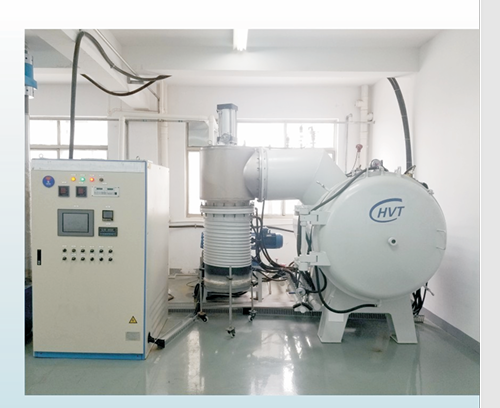
Industrial heating applications demand precision, efficiency, and reliability to meet modern manufacturing standards. The induction furnace stands as one of the most sophisticated heating technologies available today, utilizing electromagnetic principles to generate heat directly within the material being processed. This revolutionary approach to industrial heating has transformed metal processing, heat treatment, and various manufacturing operations across multiple industries. Understanding the fundamental components that make up these complex systems is essential for engineers, operators, and decision-makers who rely on consistent, high-quality heating performance.
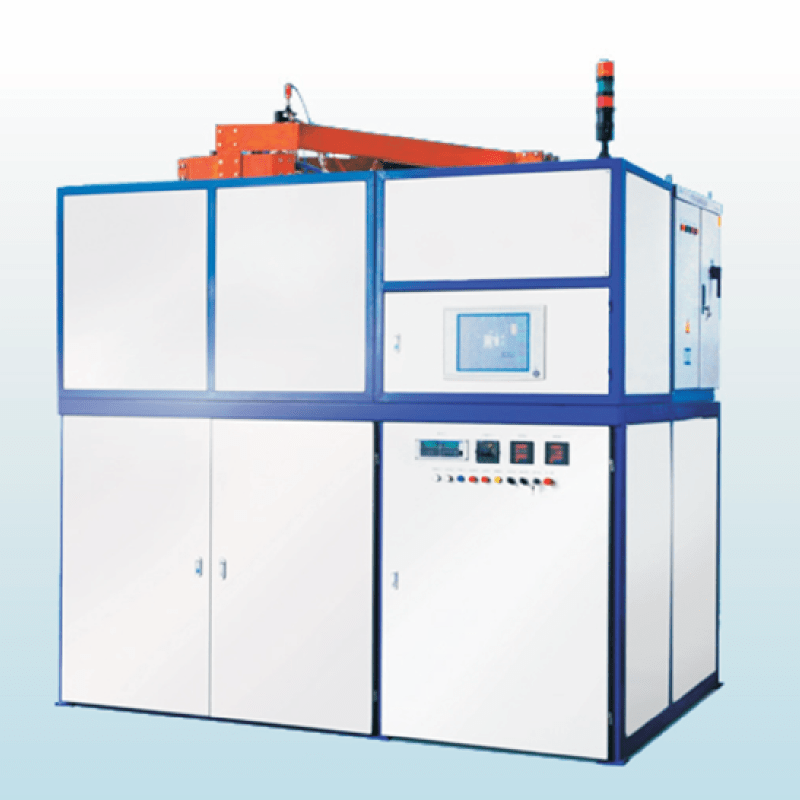
Power Supply and Control Systems
High-Frequency Power Generation
The power supply unit serves as the heart of any induction furnace system, converting standard electrical power into high-frequency alternating current. Modern induction furnace power supplies typically operate at frequencies ranging from 50 Hz to several kilohertz, depending on the specific application requirements. These sophisticated units employ advanced semiconductor technology, including IGBTs and thyristors, to achieve precise frequency control and power regulation. The ability to maintain consistent power output while adjusting frequency parameters allows operators to optimize heating characteristics for different materials and process requirements.
Frequency selection plays a crucial role in determining heating efficiency and depth of penetration within the workpiece. Lower frequencies provide deeper heating penetration, making them ideal for larger components or through-heating applications. Higher frequencies concentrate heat near the surface, perfect for surface hardening or selective heating operations. The power supply system must also incorporate comprehensive protection circuits to safeguard against voltage spikes, overcurrent conditions, and thermal overload situations that could damage sensitive components.
Advanced Control Electronics
Modern induction furnace control systems integrate sophisticated microprocessor-based controllers that monitor and adjust multiple operational parameters simultaneously. These intelligent control units continuously track power output, frequency, temperature, and system efficiency while making real-time adjustments to maintain optimal performance. Advanced feedback loops ensure consistent heating patterns and help prevent overheating or underheating conditions that could compromise product quality. The control system also interfaces with external monitoring equipment, allowing for comprehensive data logging and process optimization analysis.
User interface design has evolved significantly, with many systems now featuring touchscreen displays and intuitive programming interfaces. Operators can easily configure heating profiles, set temperature targets, and monitor system performance through comprehensive graphical displays. Remote monitoring capabilities enable maintenance personnel to track system health and performance metrics from centralized control rooms, improving overall operational efficiency and reducing downtime risks.
Electromagnetic Coil Configuration
Coil Design and Construction
The electromagnetic coil represents one of the most critical components within an induction furnace, responsible for generating the magnetic field that induces heating currents within the workpiece. Coil design varies significantly based on application requirements, with configurations ranging from simple helical coils for cylindrical parts to complex multi-turn assemblies for irregular shapes. The conductor material, typically high-purity copper, must possess excellent electrical conductivity and thermal management properties to handle the high currents involved in induction heating processes.
Coil geometry directly influences heating pattern uniformity and efficiency, requiring careful engineering to match specific application needs. Engineers must consider factors such as coil diameter, turn spacing, conductor cross-section, and overall coil length when designing optimal configurations. Advanced computational modeling tools help predict magnetic field distribution and heating patterns before physical prototyping, reducing development time and ensuring optimal performance characteristics. Proper coil design also minimizes electromagnetic interference and ensures compliance with industrial safety standards.
Cooling and Thermal Management
Effective thermal management within the coil assembly is essential for maintaining consistent performance and preventing premature component failure. Most induction furnace coils incorporate internal cooling passages that circulate water or specialized cooling fluids to remove excess heat generated during operation. The cooling system must maintain conductor temperatures within acceptable limits while providing uniform temperature distribution throughout the coil structure. Advanced cooling designs feature optimized flow patterns and heat exchanger configurations that maximize heat removal efficiency.
Temperature monitoring systems continuously track coil thermal conditions, providing early warning of potential overheating situations. Integrated sensors monitor coolant flow rates, inlet and outlet temperatures, and conductor surface temperatures to ensure optimal thermal performance. Automatic shutdown systems activate when temperature limits are exceeded, protecting valuable equipment from damage while maintaining operator safety. Regular thermal imaging inspections help identify developing hot spots or cooling system deficiencies before they lead to costly failures.
Heating Chamber and Workpiece Handling
Chamber Design and Insulation
The heating chamber provides a controlled environment where workpieces undergo the induction heating process while maintaining optimal conditions for consistent results. Chamber design considerations include material selection, insulation properties, access provisions, and atmosphere control capabilities. High-temperature insulation materials, such as ceramic fiber or refractory brick, minimize heat loss while protecting external components from excessive temperatures. The chamber structure must also accommodate thermal expansion and contraction cycles without compromising structural integrity or sealing effectiveness.
Atmosphere control within the heating chamber becomes critical for applications requiring protection from oxidation or decarburization. Inert gas systems, vacuum pumps, or controlled atmosphere generators maintain specific environmental conditions that preserve workpiece surface quality and metallurgical properties. Advanced chamber designs incorporate multiple atmosphere zones, allowing for different environmental conditions during various stages of the heating process. Pressure monitoring and gas composition analysis ensure consistent atmosphere quality throughout each heating cycle.
Workpiece Positioning and Movement Systems
Precise workpiece positioning within the induction furnace electromagnetic field is essential for achieving uniform heating and consistent results. Automated positioning systems utilize servo motors, linear actuators, and precision guides to place workpieces at optimal locations within the coil assembly. These systems must accommodate various workpiece sizes and shapes while maintaining precise positioning accuracy throughout the heating cycle. Advanced positioning systems feature programmable movement patterns that can rotate or translate workpieces during heating to improve uniformity.
Material handling integration allows induction furnace systems to operate within automated production lines, reducing labor requirements and improving throughput consistency. Robotic loading and unloading systems coordinate with furnace control systems to optimize cycle times while maintaining safety protocols. Conveyor systems, transfer mechanisms, and automated sorting equipment can be integrated to create fully automated heating operations. These integrated systems often include quality control checkpoints that verify workpiece heating results before passing components to subsequent manufacturing operations.
Temperature Monitoring and Process Control
Advanced Temperature Measurement
Accurate temperature measurement within induction furnace operations requires specialized sensors and monitoring equipment designed to operate in high-electromagnetic field environments. Infrared pyrometers provide non-contact temperature measurement capabilities, allowing operators to monitor workpiece surface temperatures without physical contact. These instruments must be carefully calibrated and positioned to account for emissivity variations and electromagnetic interference from the induction heating system. Fiber optic temperature sensors offer another solution, providing immunity to electromagnetic interference while delivering accurate temperature readings.
Multi-point temperature monitoring systems enable comprehensive thermal profiling throughout the heating process, identifying temperature variations and ensuring uniform heating results. Advanced sensor arrays can map temperature distributions across workpiece surfaces, providing valuable data for process optimization and quality control. Data logging capabilities allow engineers to analyze heating patterns and identify opportunities for improvement in cycle times, energy efficiency, and product quality. Real-time temperature feedback enables closed-loop control systems that automatically adjust power levels to maintain precise temperature targets.
Process Optimization and Quality Assurance
Modern induction furnace systems incorporate sophisticated process control algorithms that optimize heating parameters based on workpiece characteristics and quality requirements. These intelligent systems learn from historical data and continuously refine heating profiles to improve consistency and reduce cycle times. Machine learning algorithms analyze temperature patterns, power consumption, and product quality metrics to identify optimal operating parameters for different materials and geometries. Predictive control capabilities help anticipate process variations and make proactive adjustments to maintain consistent results.
Statistical process control methods monitor key performance indicators and alert operators to variations that could affect product quality. Control charts track parameters such as heating rate, final temperature, cycle time, and energy consumption to identify trends and potential issues before they impact production. Automated quality reporting systems generate comprehensive documentation for each heating cycle, supporting traceability requirements and quality certification processes. Integration with enterprise resource planning systems enables real-time production monitoring and scheduling optimization based on actual furnace performance data.
Safety Systems and Environmental Controls
Electromagnetic Field Management
Induction furnace operations generate significant electromagnetic fields that require careful management to ensure operator safety and minimize interference with nearby equipment. Comprehensive shielding systems utilize specialized materials and design techniques to contain electromagnetic emissions within acceptable limits. Faraday cage principles guide the design of enclosures and barriers that protect personnel from exposure to potentially harmful electromagnetic radiation. Regular field strength measurements verify that emission levels remain within established safety guidelines and regulatory requirements.
Interlocking safety systems prevent equipment operation when personnel are present in hazardous areas or when safety barriers are compromised. Motion detectors, door switches, and emergency stop systems provide multiple layers of protection against accidental exposure to electromagnetic fields or high temperatures. Warning signs, barriers, and training programs educate personnel about potential hazards and safe operating procedures. Regular safety audits and compliance inspections ensure continued adherence to industry safety standards and regulatory requirements.
Environmental Protection and Emissions Control
Environmental considerations play an increasingly important role in induction furnace design and operation, with systems incorporating advanced emission control and energy efficiency features. Fume extraction systems capture and filter airborne contaminants generated during heating processes, protecting both personnel and the environment from harmful emissions. Scrubber systems, electrostatic precipitators, and activated carbon filters remove particulates and gaseous pollutants before exhaust gases are released to the atmosphere. Regular monitoring and analysis ensure continued compliance with environmental regulations.
Energy efficiency optimization reduces environmental impact while lowering operating costs through advanced power management and waste heat recovery systems. Variable frequency drives, power factor correction equipment, and smart grid integration capabilities help minimize energy consumption and reduce carbon footprint. Heat recovery systems capture waste thermal energy for use in other processes or facility heating applications. Comprehensive energy monitoring provides data for continuous improvement initiatives and supports sustainability reporting requirements. Water conservation measures in cooling systems further reduce environmental impact through recycling and treatment technologies.
FAQ
What factors determine the optimal frequency for an induction furnace application?
The optimal frequency for induction furnace operation depends on several key factors including workpiece size, material properties, heating depth requirements, and desired heating rate. Larger workpieces typically require lower frequencies (50-1000 Hz) to achieve adequate heating penetration, while smaller components can utilize higher frequencies (1-100 kHz) for rapid surface heating. Material electrical conductivity and magnetic permeability also influence frequency selection, with ferromagnetic materials heating more efficiently at lower frequencies due to hysteresis and eddy current effects. The required heating pattern, whether through-heating or surface heating, determines the appropriate frequency range for optimal energy transfer efficiency.
How does coil design affect heating uniformity in induction furnace systems?
Coil design significantly impacts heating uniformity through magnetic field distribution and coupling efficiency with the workpiece. Proper coil geometry, including turn spacing, conductor size, and overall configuration, ensures even electromagnetic field exposure across the workpiece surface. Multi-turn coils with optimized spacing provide more uniform field distribution compared to single-turn designs, particularly for longer workpieces. The coupling distance between coil and workpiece must be minimized and maintained consistently to achieve uniform heating results. Advanced coil designs may incorporate field shaping elements or multiple coil sections to compensate for geometric variations and ensure consistent heating patterns throughout the entire workpiece volume.
What maintenance requirements are essential for reliable induction furnace operation?
Essential maintenance requirements for induction furnace systems include regular inspection and cleaning of electrical connections, cooling system maintenance, and component wear monitoring. Power supply components require periodic testing of semiconductor devices, capacitors, and protective circuits to ensure reliable operation and prevent unexpected failures. Cooling system maintenance involves regular coolant quality checks, flow rate verification, and heat exchanger cleaning to maintain optimal thermal performance. Coil assemblies need regular inspection for conductor damage, insulation integrity, and connection tightness. Temperature sensors and monitoring equipment require calibration verification and replacement according to manufacturer specifications to maintain measurement accuracy and process control reliability.
How do modern induction furnace control systems improve process repeatability?
Modern induction furnace control systems improve process repeatability through advanced feedback control, data logging capabilities, and automated parameter adjustment. Closed-loop temperature control systems continuously monitor heating progress and make real-time adjustments to maintain consistent heating profiles regardless of material variations or environmental changes. Recipe management systems store optimized heating parameters for different materials and geometries, ensuring consistent setup and reducing operator dependency. Statistical process monitoring tracks key performance indicators and alerts operators to variations that could affect product quality. Machine learning algorithms analyze historical data to identify optimal operating parameters and automatically adjust settings to compensate for process variations, resulting in improved consistency and reduced scrap rates.
Table of Contents
- Power Supply and Control Systems
- Electromagnetic Coil Configuration
- Heating Chamber and Workpiece Handling
- Temperature Monitoring and Process Control
- Safety Systems and Environmental Controls
-
FAQ
- What factors determine the optimal frequency for an induction furnace application?
- How does coil design affect heating uniformity in induction furnace systems?
- What maintenance requirements are essential for reliable induction furnace operation?
- How do modern induction furnace control systems improve process repeatability?