
 EN
EN
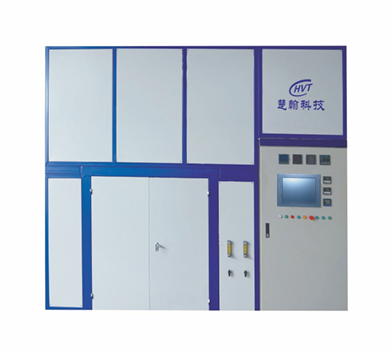
Industrial metal processing has undergone significant transformations with the advancement of electromagnetic heating technologies. Among the most revolutionary developments in metallurgical equipment are induction melting furnaces, which have redefined efficiency standards in foundries and manufacturing facilities worldwide. These sophisticated systems utilize electromagnetic induction principles to generate heat directly within metallic materials, offering unprecedented control over temperature distribution and melting processes.
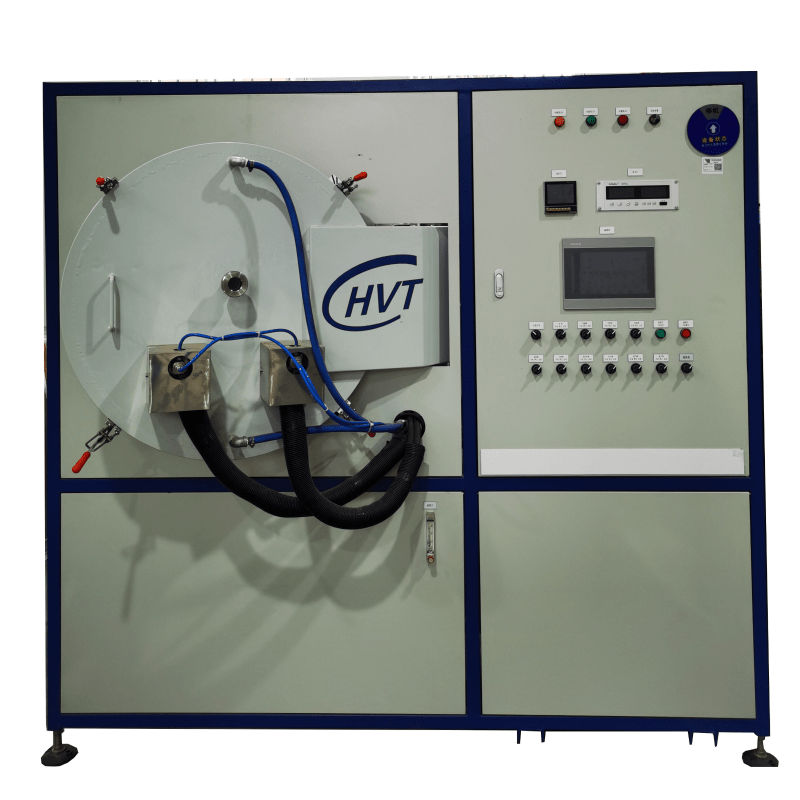
Modern manufacturing demands precision, speed, and energy efficiency in metal processing operations. Traditional heating methods often fall short of meeting these stringent requirements, particularly when dealing with specialized alloys or high-volume production schedules. The electromagnetic technology behind these advanced furnace systems addresses these challenges by providing uniform heating, reduced energy consumption, and enhanced operational control that traditional gas or oil-fired alternatives cannot match.
Understanding the fundamental characteristics and capabilities of these electromagnetic heating systems becomes crucial for manufacturers seeking to optimize their metal processing operations. From automotive component production to aerospace material preparation, these furnaces have become indispensable tools in achieving consistent metallurgical results while maintaining cost-effective production cycles.
Electromagnetic Induction Principles
Primary Coil Configuration
The electromagnetic foundation of induction melting furnaces relies on copper coil assemblies that generate alternating magnetic fields when energized with high-frequency electrical current. These primary coils, typically constructed from water-cooled copper tubing, create electromagnetic flux patterns that penetrate conductive materials placed within the furnace chamber. The coil geometry and winding configuration directly influence the heating pattern distribution and overall energy transfer efficiency throughout the melting process.
Advanced coil designs incorporate multiple winding layers and specialized conductor cross-sections to maximize electromagnetic coupling while minimizing power losses. The electrical frequency selection, ranging from medium frequency systems operating at 1-10 kHz to high-frequency units exceeding 100 kHz, determines the penetration depth and heating characteristics for different material types and crucible dimensions.
Eddy Current Generation
When alternating magnetic fields intersect conductive materials, they induce circular electrical currents known as eddy currents within the metal structure. These internal currents encounter electrical resistance within the material, converting electromagnetic energy directly into thermal energy through Joule heating effects. This internal heat generation mechanism ensures uniform temperature distribution throughout the metal mass, eliminating the thermal gradients commonly associated with external heating methods.
The intensity and distribution of eddy currents depend on material conductivity, magnetic permeability, and the frequency of the applied electromagnetic field. Ferromagnetic materials exhibit enhanced heating rates due to additional hysteresis losses that contribute to the overall energy conversion process, making induction melting furnaces particularly effective for processing steel and iron-based alloys.
Temperature Control Systems
Pyrometric Monitoring
Precise temperature measurement in electromagnetic furnace systems requires specialized pyrometric instruments capable of operating in high-electromagnetic field environments. Infrared thermometers and optical pyrometers provide non-contact temperature monitoring that eliminates interference from electromagnetic radiation while maintaining measurement accuracy across the entire melting temperature range. These instruments typically feature protective housings and filtered optical systems to ensure reliable operation in industrial environments.
Advanced temperature control systems incorporate multiple measurement points and sophisticated algorithms to compensate for emissivity variations and atmospheric interference. Real-time temperature data enables automated power adjustment and process optimization, ensuring consistent metallurgical results while preventing overheating damage to furnace components and processed materials.
Power Regulation Mechanisms
Modern induction furnace systems utilize solid-state power control electronics that provide precise regulation of electrical energy delivery to the induction coils. These systems incorporate thyristor-based inverters and advanced switching technologies that enable rapid power adjustment responses to temperature variations and process requirements. The power regulation capability allows operators to maintain precise heating rates and temperature profiles throughout different phases of the melting cycle.
Feedback control loops integrate temperature measurements with power output adjustments to maintain optimal heating conditions regardless of charge composition variations or external operating conditions. This automated regulation capability significantly reduces operator workload while improving process repeatability and energy efficiency compared to manual control methods.
Energy Efficiency Characteristics
Heat Transfer Optimization
The direct energy conversion mechanism inherent in induction heating eliminates many of the thermal losses associated with conventional heating methods. Unlike combustion-based systems that must transfer heat through furnace walls and atmospheric interfaces, induction melting furnaces generate heat directly within the processed material, achieving thermal efficiencies typically exceeding 90%. This superior energy conversion rate translates into reduced operating costs and faster melting cycles for equivalent material quantities.
The absence of combustion products and reduced atmospheric heat losses contribute to the exceptional energy efficiency of electromagnetic heating systems. Additionally, the precise power control capabilities enable operators to minimize energy consumption during holding periods and optimize heating profiles for different alloy compositions and processing requirements.
Operational Cost Reduction
Energy cost advantages extend beyond the high thermal efficiency of induction heating systems to include reduced maintenance requirements and extended equipment lifespan. The electromagnetic heating mechanism eliminates the need for combustion air systems, flue gas handling equipment, and fuel storage infrastructure, significantly reducing both capital investment and ongoing operational expenses. The clean heating environment also minimizes refractory wear and extends crucible service life compared to combustion-based alternatives.
Lower maintenance requirements result from the absence of moving parts in the heating system and the reduced thermal stress on furnace components. The precise temperature control capabilities also contribute to improved product quality and reduced material waste, further enhancing the economic advantages of induction melting technology for high-volume production applications.
Material Processing Capabilities
Alloy Compatibility Range
Induction melting furnaces demonstrate exceptional versatility in processing various metallic materials, from pure elemental metals to complex multi-component alloys. The electromagnetic heating mechanism effectively processes ferrous materials including carbon steels, stainless steels, and cast irons, while also accommodating non-ferrous metals such as aluminum, copper, brass, and bronze alloys. The heating effectiveness varies with material electrical conductivity and magnetic properties, but appropriate frequency selection ensures optimal processing conditions for virtually any conductive material.
Specialized applications include precious metal processing, superalloy preparation, and reactive metal melting under controlled atmospheric conditions. The clean heating environment and precise temperature control make these systems particularly suitable for high-value materials where contamination prevention and metallurgical quality are paramount concerns.
Atmospheric Control Options
Advanced induction furnace designs incorporate sophisticated atmospheric control systems that enable processing under inert gas, reducing atmospheres, or vacuum conditions. These capabilities are essential for processing reactive metals and preventing oxidation during high-temperature operations. Vacuum induction melting systems achieve ultimate cleanliness levels required for aerospace and electronic applications, while controlled atmosphere systems provide cost-effective oxidation prevention for standard industrial applications.
The atmospheric control flexibility extends to degassing operations and inclusion removal processes that enhance final product quality. Argon stirring systems and electromagnetic stirring capabilities further improve homogenization and chemical composition uniformity in processed alloys, making these furnaces suitable for critical applications requiring exceptional metallurgical quality.
Safety Features and Environmental Benefits
Operational Safety Systems
Modern induction melting furnaces incorporate comprehensive safety systems that protect both operators and equipment from potential hazards associated with high-temperature metal processing. Emergency shutdown systems provide rapid power disconnection capabilities, while water cooling system monitors prevent overheating of critical components. Electromagnetic field containment measures ensure compliance with occupational exposure limits and prevent interference with nearby electronic equipment.
Personnel protection features include safety interlocks that prevent operation with open access panels, automatic power reduction systems during maintenance procedures, and comprehensive alarm systems that alert operators to abnormal operating conditions. The absence of open flames and combustible fuel systems eliminates many fire and explosion risks associated with traditional heating methods.
Environmental Impact Reduction
The electromagnetic heating mechanism produces zero direct emissions at the point of operation, eliminating the air quality concerns associated with combustion-based heating systems. This clean operation characteristic makes induction melting furnaces particularly suitable for installation in urban industrial areas and facilities with strict environmental compliance requirements. The reduced energy consumption also contributes to lower indirect emissions associated with electrical power generation.
Noise reduction benefits result from the elimination of combustion air blowers and flue gas handling equipment, while the compact design requirements reduce the overall facility footprint compared to conventional furnace installations. These environmental advantages align with modern industrial sustainability goals and regulatory compliance requirements in many jurisdictions.
FAQ
What frequency ranges are most effective for different materials
The optimal frequency selection for induction melting furnaces depends primarily on the material type, charge size, and desired heating characteristics. Medium frequencies between 1-10 kHz work effectively for large steel and iron charges, providing deep penetration and uniform heating throughout substantial metal masses. Higher frequencies exceeding 50 kHz are preferred for smaller charges, non-ferrous metals like aluminum and copper, and applications requiring rapid heating rates with precise temperature control.
How do power requirements scale with furnace capacity
Power requirements for induction melting furnaces typically scale proportionally with the metal charge weight and desired melting rate, generally requiring 600-800 kWh per ton of steel and 400-600 kWh per ton for aluminum alloys. Larger capacity furnaces often achieve better energy efficiency due to reduced surface-to-volume ratios and optimized electromagnetic coupling. However, the specific power requirements also depend on material starting temperature, final processing temperature, and holding time requirements for each application.
What maintenance procedures are essential for optimal performance
Regular maintenance for induction melting furnaces focuses on cooling system inspection, electrical connection monitoring, and coil condition assessment. Water cooling system maintenance includes flow rate verification, temperature monitoring, and periodic cleaning to prevent scale buildup that could cause overheating. Electrical connections require regular inspection for signs of overheating or corrosion, while coil assemblies need periodic examination for mechanical damage or electrical insulation degradation that could affect performance or safety.
Can these systems process reactive metals safely
Induction melting furnaces equipped with appropriate atmospheric control systems can safely process reactive metals including titanium, zirconium, and rare earth elements under inert gas or vacuum conditions. The electromagnetic heating mechanism eliminates contamination sources associated with combustion products, while controlled atmosphere capabilities prevent oxidation and other unwanted chemical reactions. Specialized crucible materials and handling procedures ensure compatibility with reactive metal processing requirements while maintaining the safety and quality advantages of induction heating technology.